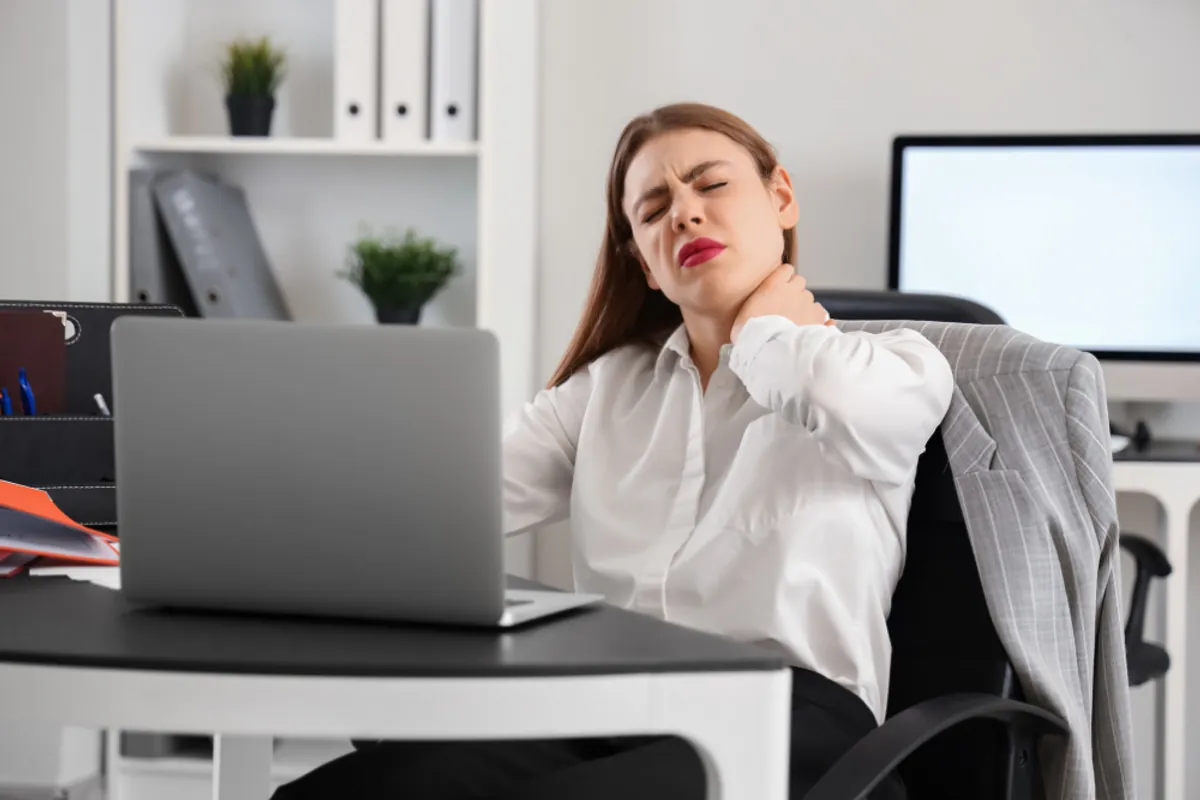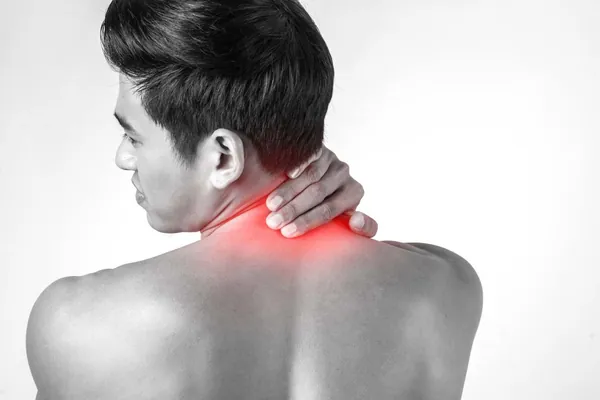
Neck cramps — those sudden, painful muscle contractions that can stop you mid-sentence — are incredibly common and often triggered by everyday activities like poor posture, stress, awkward sleeping positions, or minor injuries. While they’re usually not serious, ignoring recurring neck cramps can lead to chronic pain, tension headaches, and reduced mobility.
As a pain management specialist in Midtown Manhattan, I see neck cramps in patients across every age group and occupation. Office workers, students, healthcare professionals, and anyone who spends significant time looking at screens are particularly susceptible. Here are the ten most effective approaches for treatment and prevention, ranging from simple home remedies to advanced medical interventions.
1. Heat Therapy
Applying warmth to cramped neck muscles is one of the simplest and most effective first-line treatments. A warm towel, heating pad, or warm shower applied for 15 to 20 minutes relaxes tight muscles, increases blood flow, and promotes healing.
Heat works by dilating blood vessels in the affected area, which delivers more oxygen and nutrients to the damaged tissue while flushing away metabolic waste products that contribute to pain and stiffness. This is why a hot shower often feels therapeutic after a long day hunched over a desk.
For best results, use moist heat rather than dry heat — a damp warm towel or microwavable heat wrap penetrates deeper into the muscle tissue. Apply heat 2 to 3 times daily during acute cramping episodes. Be careful not to fall asleep with a heating pad, and never apply heat directly to bare skin without a protective layer.
When to use heat: Heat works best for chronic tension, stiffness, and muscle fatigue. It’s ideal for cramps related to stress, poor posture, or muscle overuse.
When to avoid heat: Don’t use heat during the first 24 to 48 hours after an acute injury or strain — use cold therapy instead.
2. Cold Compress
For neck cramps triggered by sudden strain or acute injury, cold therapy within the first 24 to 48 hours helps reduce inflammation, constrict blood vessels, and numb pain. Apply an ice pack wrapped in a thin cloth for 15 minutes at a time, with 45-minute breaks between applications to prevent skin irritation or frostbite.
Cold therapy is particularly effective when a cramp is accompanied by visible swelling or was caused by a sudden awkward movement, a minor whiplash-type event, or overexertion during exercise. The numbing effect provides immediate pain relief while the anti-inflammatory action addresses the underlying tissue response.
After the initial 48-hour window, many patients benefit from alternating between heat and cold — applying cold for 15 minutes followed by heat for 15 minutes. This contrast therapy promotes circulation and can accelerate healing.
3. Gentle Neck Stretches
Slow, controlled stretching can relieve tension without aggravating the cramp. The key is moving gently — never force a stretch into sharp pain. Stay within a comfortable range and hold each position for 20 to 30 seconds.
Lateral neck stretch: Tilt your ear toward one shoulder until you feel a gentle pull on the opposite side. Use your hand to apply light pressure for a deeper stretch. Hold for 20 to 30 seconds, then repeat on the other side.
Chin-to-chest stretch: Drop your chin toward your chest and hold. You should feel a stretch along the back of your neck and into the upper back. Place your hands behind your head for gentle additional pressure.
Neck rotation: Slowly rotate your head to look over one shoulder, hold for 15 to 20 seconds, then repeat on the other side. Keep the movement smooth and controlled.
Levator scapulae stretch: Turn your head 45 degrees to one side, then tilt your chin down toward your armpit. You’ll feel a deep stretch along the back and side of the neck. This targets the levator scapulae, one of the muscles most commonly involved in neck cramps.
Perform these stretches 3 to 4 times daily, and especially after prolonged periods of sitting. Consistency matters more than intensity.
4. Strengthening Exercises
Building neck stability helps prevent future cramps by improving the muscular support around your cervical spine. Weak neck muscles fatigue more quickly, making them more susceptible to cramping.
Chin tucks are the single most important exercise for neck health. Pull your chin straight back (creating a “double chin”) without tilting your head up or down. Hold for 5 seconds, release, and repeat 10 times. This strengthens the deep cervical flexors that support proper head alignment and counteract the forward head posture that causes most neck cramps.
Shoulder blade squeezes strengthen the upper back muscles that hold your shoulders in proper alignment. Squeeze your shoulder blades together as if pinching a pencil between them. Hold for 5 seconds, release, and repeat 10 to 15 times.
Isometric resistance exercises build strength safely by pressing against resistance without movement. Press your forehead into your palm for 5 seconds (resisting with equal pressure), then repeat pressing the back of your head, then each side. This strengthens all four directions of neck movement without risking further cramping.
Start with 2 sets of 10 repetitions and gradually increase as your tolerance builds.
5. Good Posture Habits
Many neck cramps stem directly from sustained poor posture, particularly the forward head position that has become epidemic in the age of smartphones and laptops. For every inch your head moves forward from its neutral position, the perceived weight on your cervical spine increases by roughly 10 pounds.
Maintain your head directly over your shoulders — your ear should align with your shoulder when viewed from the side. Keep your screen at eye level so you’re not looking down. Position your keyboard at elbow height to prevent shoulder hiking. Take microbreaks from fixed positions every 30 to 45 minutes — even a 30-second stretch break can prevent muscle fatigue from building to the cramping threshold.
If you work at a desk, consider setting a timer as a reminder to check your posture and move. The 30-30-30 rule is helpful: every 30 minutes, look at something 30 feet away for 30 seconds while rolling your shoulders.
6. Massage Therapy
Professional or self-massage increases blood flow to tight muscles, breaks up adhesions and knots, and reduces the neural excitability that drives cramping. Focus on the three muscle groups most commonly involved in neck cramps.
The upper trapezius runs from your skull base down to your shoulders and is the most frequently affected muscle in neck cramp sufferers. Apply firm pressure with your fingertips in circular motions along the muscle.
The levator scapulae runs from the upper cervical spine to the shoulder blade and is responsible for the deep, sharp cramps that occur at the junction of the neck and shoulder.
The posterior cervical muscles (splenius and semispinalis) run along the back of the neck and are often involved in cramps that radiate up into the skull, contributing to tension headaches.
For self-massage, a tennis ball against a wall or a foam roller can be effective for reaching these muscles. Apply sustained pressure to tender points for 30 to 60 seconds until you feel the muscle release.
7. Over-the-Counter Pain Relief
Non-prescription anti-inflammatory medications like ibuprofen (Advil, Motrin) or naproxen (Aleve) can provide temporary relief from cramp-related pain and inflammation. Acetaminophen (Tylenol) can help with pain but doesn’t address inflammation.
Take anti-inflammatories with food to protect your stomach, and follow the recommended dosing on the label. These are best used as part of a broader management strategy rather than as a standalone solution — they treat symptoms but don’t address the underlying cause of the cramping.
Topical options like menthol-based creams, lidocaine patches, or topical anti-inflammatory gels can provide localized relief without the systemic effects of oral medications. These can be particularly useful at night when cramps disrupt sleep.
8. Stress Management
Stress is a major contributor to neck muscle tension and cramping. When you’re stressed, your body activates the “fight or flight” response, which includes unconscious muscle bracing — particularly in the neck, shoulders, and jaw. Over time, this chronic tension fatigues the muscles and triggers cramps.
Effective stress management strategies include regular cardiovascular exercise (even a 20-minute daily walk), deep breathing exercises and progressive muscle relaxation, yoga or tai chi (which combine movement with mindfulness), meditation or mindfulness practice, and adequate sleep (7 to 9 hours for most adults).
Many patients underestimate how significantly stress reduction can impact their neck cramp frequency. In my clinical experience, patients who combine physical treatments with consistent stress management see meaningfully better outcomes than those relying on physical treatments alone.
9. Ergonomic Work Setup
Your workstation directly impacts your neck health, and most people’s setups are inadvertently causing the very cramps they’re trying to treat.
Monitor position: The top of your screen should be at or slightly below eye level, approximately an arm’s length away. If you use a laptop, consider an external monitor or laptop stand paired with a separate keyboard.
Chair support: Use a chair with good lumbar support that allows you to sit with your feet flat on the floor and your thighs parallel to the ground. Armrests should support your forearms without causing your shoulders to hike up.
Keyboard and mouse: Position these at elbow height so your forearms are roughly parallel to the floor. Reaching forward or up for your keyboard creates shoulder and neck tension.
Phone habits: If you spend time on calls, use a headset or speakerphone. Cradling a phone between your ear and shoulder is one of the fastest paths to neck cramps.
Pillow selection: A proper pillow is equally important. Your pillow should support the natural cervical curve of your neck, keeping your head level with your spine whether you sleep on your back or side. Memory foam contoured pillows designed for cervical support tend to work best.
10. Professional Treatment
When neck cramps persist despite consistent self-care, or when they recur frequently enough to impact your quality of life, professional intervention can break the cycle. At Modal Pain Management, we offer several targeted approaches.
Trigger point injections deliver medication directly into stubborn muscle knots, providing rapid relief and breaking the pain-spasm-pain cycle that perpetuates chronic cramping. These are particularly effective for the deep knots in the levator scapulae and upper trapezius that self-massage can’t fully reach.
Image-guided procedures use ultrasound or fluoroscopic guidance to ensure precise needle placement for maximum therapeutic effect, particularly when targeting deeper cervical muscles.
Nerve blocks can address the neural component of chronic cramping by temporarily interrupting the pain signals that drive the muscle spasm cycle.
Physical therapy provides a structured, supervised program to correct the postural imbalances and muscle weaknesses that make you vulnerable to cramping in the first place.
Comprehensive evaluation identifies underlying causes that self-care can’t address, such as cervical disc issues, nerve compression, or joint dysfunction that may be driving your cramps.
Why Does My Neck Cramp When I Yawn?
A neck cramp during yawning is surprisingly common and catches many people off guard. When you yawn, the muscles of your jaw, throat, and neck contract simultaneously in a powerful, involuntary stretch. The platysma (a broad sheet of muscle spanning the front of the neck), the sternocleidomastoid (the large muscle running from behind your ear to your collarbone), and the suprahyoid muscles beneath the jaw all activate during a full yawn.
If any of these muscles are already fatigued, dehydrated, or carrying tension — which is common after hours of screen work or sleeping in an awkward position — the sudden forceful contraction of yawning can tip them over the threshold into a full cramp. The result is that sharp, seizing pain under the chin or along the side of the neck that can last anywhere from a few seconds to several minutes.
To prevent yawn-related neck cramps, stay hydrated throughout the day (dehydration is one of the most underrecognized cramp triggers), stretch your neck gently before bed and after waking, and address any underlying tension in the jaw and neck from stress or posture. If you notice these cramps happening frequently, it may indicate chronic tension in the anterior neck muscles — a pattern that responds well to trigger point injections targeting the suboccipital and sternocleidomastoid muscles.
If you experience a cramp mid-yawn, gently press your fingers into the cramped muscle and apply steady pressure while slowly opening and closing your jaw. This usually releases the spasm within 30 to 60 seconds.
Neck Cramps on One Side: Left Side vs. Right Side
Neck cramps that consistently occur on one side often point to an asymmetric cause — something affecting your left or right side differently from the other. Common culprits include sleeping predominantly on one side (which shortens the muscles on that side night after night), carrying a bag or purse on the same shoulder, cradling a phone between one ear and shoulder, or a workstation setup that requires you to turn your head in one direction more than the other.
Left-side neck cramps may also be associated with the left levator scapulae or upper trapezius developing trigger points from repetitive asymmetric use. In some cases, left-sided neck cramps accompanied by jaw pain or arm discomfort warrant medical evaluation to rule out cardiac-related causes, particularly in patients with cardiovascular risk factors.
Right-side neck cramps are more commonly linked to dominant-hand ergonomics — most people are right-handed and tend to mouse, write, and reach with their right arm, creating imbalanced tension patterns in the right shoulder and neck. The right upper trapezius and levator scapulae bear more load in these patients.
Treatment for one-sided cramps should address the asymmetry. Stretch the affected side more frequently, adjust your workspace to reduce asymmetric posture, alternate the shoulder you carry bags on, and consider a physical therapy assessment to identify and correct the specific muscular imbalance. For persistent one-sided cramps with trigger points, targeted trigger point injections on the affected side can provide rapid relief while you work on correcting the underlying cause.
If one-sided neck cramps are accompanied by headaches on the same side, arm numbness or tingling, or progressive weakness, see a specialist — these symptoms may indicate a cervical disc issue or nerve compression that requires proper evaluation.
When to See a Doctor
While most neck cramps resolve with self-care, seek professional evaluation if cramps persist beyond one to two weeks despite consistent home treatment, are accompanied by numbness, tingling, or weakness in the arms or hands, cause significant pain that disrupts your sleep or daily activities, are getting progressively more frequent or severe, occur alongside headaches, dizziness, or difficulty swallowing, or followed a head or neck injury.
These symptoms may indicate an underlying condition — such as a herniated disc, spinal stenosis, or nerve compression — that requires proper diagnosis and targeted treatment beyond self-care.
At Modal Pain Management in Midtown Manhattan, Dr. Alex Movshis specializes in diagnosing and treating the full spectrum of neck pain conditions, from simple muscle cramps to complex cervical spine issues. Contact us to schedule an evaluation.
Frequently Asked Questions
Neck cramps are caused by involuntary muscle contractions, most commonly triggered by poor posture (especially forward head posture from screens), stress and tension, sleeping in awkward positions, sudden movements, dehydration, muscle fatigue from overuse, and underlying conditions like cervical disc issues or nerve compression. Prolonged sitting with a forward head position is the single most common cause we see in our Midtown Manhattan practice.
For immediate relief, apply a warm towel or heating pad to the cramped area for 15 to 20 minutes, gently stretch the neck by tilting your ear toward the opposite shoulder, and massage the tight area with moderate pressure. Over-the-counter anti-inflammatory medication can help if the cramp is accompanied by inflammation. If the cramp doesn't resolve within a few hours or keeps recurring, professional evaluation is recommended.
See a doctor if neck cramps persist beyond one week of self-care, are accompanied by numbness or tingling in the arms or hands, cause significant pain that disrupts sleep or daily activities, occur with headaches or dizziness, are getting progressively worse, or followed a head or neck injury. These symptoms may indicate an underlying condition that requires professional diagnosis and treatment.
While most neck cramps are benign muscle spasms from tension or poor posture, they can occasionally indicate more serious conditions such as cervical disc herniation, spinal stenosis, nerve compression, or in rare cases, vascular problems. Warning signs include cramps accompanied by arm weakness, severe headache, difficulty swallowing, or fever. If you experience these symptoms, seek medical evaluation promptly.
The best sleeping positions for preventing neck cramps are on your back with a contoured cervical pillow that supports the natural curve of your neck, or on your side with a pillow thick enough to keep your spine aligned. Avoid sleeping on your stomach, which forces your neck into rotation for hours. Your pillow should keep your head level with your spine — not pushed up or allowed to drop down.
Yes, trigger point injections are one of the most effective treatments for chronic or recurring neck cramps. They deliver medication directly into the tight muscle knot (trigger point), providing rapid relief and breaking the pain-spasm cycle. At Modal Pain Management, we use image-guided trigger point injections for precision treatment of the upper trapezius, levator scapulae, and cervical paraspinal muscles — the areas most commonly involved in neck cramps.
When you yawn, multiple neck muscles contract forcefully at once — including the platysma, sternocleidomastoid, and suprahyoid muscles. If these muscles are already fatigued, tense, or dehydrated, the sudden contraction can trigger a cramp. This is especially common after long periods of screen work or sleeping in an awkward position. Stay hydrated, stretch your neck regularly, and address underlying jaw and neck tension to prevent yawn-related cramps.
One-sided neck cramps usually indicate an asymmetric cause — sleeping predominantly on one side, carrying a bag on the same shoulder, cradling a phone, or a workstation that requires turning your head one direction more than the other. The muscles on the overused side develop trigger points and fatigue more easily. Correcting the asymmetry, stretching the affected side more, and ergonomic adjustments usually help. If one-sided cramps come with headaches, arm numbness, or weakness, see a specialist to rule out cervical disc issues.