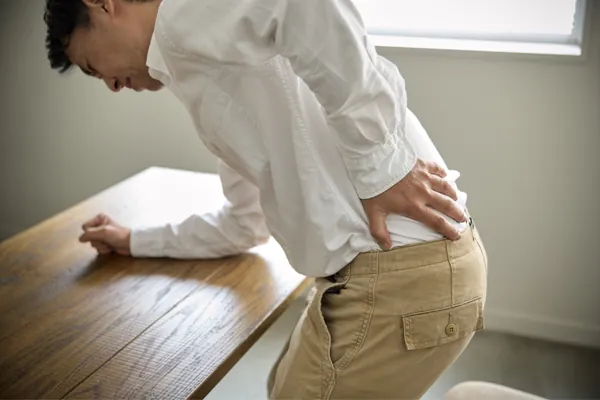
If you’ve ever felt like your joints ache more on a rainy day or your back stiffens up when temperatures drop, you’re not imagining things. Weather changes have a real, measurable impact on pain — and understanding why can help you stay ahead of flare-ups.
Why Does Weather Affect Pain?
Several environmental factors can influence how your body experiences pain. When barometric pressure drops — often before a storm — tissues in and around your joints can expand slightly, putting pressure on nerves and increasing discomfort. Cold temperatures cause blood vessels to constrict, reducing circulation to muscles and joints and making them stiffer and more sensitive. Humidity can contribute to increased swelling and inflammation, particularly in already-damaged tissues.
These effects are especially pronounced for people living with chronic conditions, where the body’s pain signaling system is already heightened.
What Types of Pain Are Most Affected?
Certain conditions tend to be more sensitive to weather shifts than others. Arthritis patients frequently report increased joint stiffness and swelling during cold, damp weather. Fibromyalgia sufferers may notice widespread pain intensifying with sudden temperature changes. Neuropathy can worsen in cold conditions as reduced circulation affects nerve function. Sciatica may flare when muscles tighten in response to cold, compressing the sciatic nerve further. Migraines are commonly triggered by rapid changes in barometric pressure, humidity, or temperature.
What Can You Do to Manage Weather-Related Pain?
Managing weather-related pain starts with preparation and proactive self-care. Dress in warm layers during cold months and keep your joints covered — even mild cold exposure can trigger stiffness. Stay active with gentle, regular movement like walking, stretching, or swimming to keep muscles flexible and joints lubricated. Monitor weather forecasts so you can adjust your routine on high-risk days, whether that means warming up more thoroughly or scheduling lighter activities.
Hydration plays a surprisingly important role, since dehydrated tissues are more prone to stiffness and inflammation. If you take pain medications, work with your provider to time doses strategically around expected weather changes. Finally, prioritize sleep and stress management — both directly influence your pain threshold and recovery capacity.
What to Expect at Modal Pain Management NYC
At Modal Pain Management, we take weather-related pain seriously as part of your overall treatment plan. During your initial consultation, we perform a thorough assessment to identify which conditions are driving your symptoms and how environmental factors may be contributing. From there, we create a personalized treatment strategy that may include medication adjustments for seasonal changes, targeted injections, physical therapy, and guidance on lifestyle modifications.
We also emphasize patient education — understanding your pain triggers puts you in a stronger position to manage them proactively rather than reactively.
When to Seek Help
If weather-related pain is disrupting your daily routine, affecting your sleep, or limiting your ability to work and enjoy life, it’s time to consult a specialist. Persistent pain that worsens with seasonal changes often signals an underlying condition that benefits from professional evaluation and targeted treatment.
Why Choose Modal Pain Management in NYC?
Our board-certified pain management specialists bring expertise in diagnosing and treating complex pain conditions. We use a multimodal approach combining the latest interventional techniques with physical rehabilitation and preventive strategies. Our patient-centered philosophy means your treatment plan is tailored specifically to you — including how environmental factors affect your unique situation. Conveniently located in Midtown Manhattan, we’re here to help you live more comfortably regardless of what the weather brings.