Pain Management in Midtown Manhattan — same-week appointments
Board-certified, Mount Sinai fellowship-trained pain specialist Dr. Alex Movshis. Neck, back, and shoulder pain, chronic migraine, and cervical dystonia — assessed by examination on the first visit and treated with image-guided, non-opioid procedures. Most commercial PPO plans accepted.
Not sure what is causing your pain? Mark it on a 3D body and take the free pain self-assessmentWhat brings you in?
Five problems account for most of our new patients. The examination on the first visit narrows down the source, and each source has a different first procedure.
Neck pain
Pinched nerve, facet joint, dystonia, or muscle: four sources, four different treatments. The exam narrows it down.
Cervical epidural · medial branch block & RFA · trigger point injectionsBack pain & sciatica
Disc, facet, SI joint, or a trapped nerve — which one decides whether it is an epidural, a block, or an ablation.
Epidural steroid injection · medial branch block & RFA · SI joint injectionShoulder pain
Frozen shoulder, rotator cuff, a trapped nerve, or pain referred from the neck. The exam sorts most of it, with ultrasound when it is needed.
Ultrasound-guided injections · PRP · suprascapular nerve blockChronic migraine & headache
Fifteen or more headache days a month is the FDA-label line for Botox. Headaches that start in the neck are treated with nerve blocks instead.
PREEMPT Botox · occipital nerve block · third occipital nerve RFACervical dystonia
The head turns, tilts, or pulls on its own, and a light touch to the chin often eases it. It is often treated as a stiff neck for years. The diagnosis is made by examination.
EMG/ultrasound-guided Botox, Dysport, or DaxxifyDo I qualify for Botox for migraines?
A two-minute check of the FDA label and the insurance criteria. Nothing you enter leaves your browser.
Start the eligibility check →Knee pain from arthritis? Knee arthritis treatment without surgery covers what cortisone, gel, PRP and genicular nerve RFA each do, and when a replacement is the better answer.
Pain nobody has explained?
Dr. Movshis built a free self-assessment for pain anywhere in the body. It checks the warning signs first, lets you mark where it hurts on a 3D body, takes the history a pain physician takes at a first visit, and shows the pattern your answers fit and whether the pain looks like it comes from the tissues, a nerve, or a sensitized pain system. About 6 to 10 minutes, and you finish with a printable summary of your answers for any doctor you see. Educational, not a diagnosis. Your answers stay on your device.
Nerve pain? After surgery · No surgery
Meet Dr. Alex Movshis
Dr. Movshis is board-certified in anesthesiology and pain medicine. He completed his anesthesiology residency at Mount Sinai Hospital and his interventional pain medicine fellowship at the Icahn School of Medicine at Mount Sinai.
He sees every patient himself, from the first examination through the procedure and follow-up, and uses fluoroscopy and ultrasound in the office to guide the procedures that need it.
Learn More About Dr. Movshis
Why Choose Modal Pain Management?
Mount Sinai Fellowship-Trained
Board-certified with fellowship training in interventional pain medicine at the Icahn School of Medicine at Mount Sinai.
In-Office Ultrasound & Fluoroscopy
Image-guided injections performed in-suite — no hospital referral, no waiting weeks for outside imaging.
Same-Site PT, Chiro & IV Therapy
Coordinated non-surgical care under one roof at 369 Lexington Avenue — physical therapy, chiropractic, and IV therapy all on site.
Non-Opioid by Design
Treatment plans built around interventional, regenerative, and rehabilitative care — not pills.
Conditions We Treat
Interventional pain management for a wide range of conditions.

Headaches & Migraines
Treatment for tension headaches, migraines, and other headache disorders.
Learn More About Headaches & Migraines
Back Pain
Low and mid-back pain come from a short list of structures, each with its own procedure. The exam sorts them on the first visit.
Learn More About Back Pain
Neck Pain
Four neck problems can produce the same ache and need different procedures. A careful exam at the first visit sorts out which one is most likely.
Learn More About Neck Pain
Cervical Dystonia (Spasmodic Torticollis)
Diagnosis and EMG-guided botulinum toxin treatment for cervical dystonia — the head pull, tilt, tremor, and neck pain that get treated as a stiff neck for years.
Learn More About Cervical Dystonia (Spasmodic Torticollis)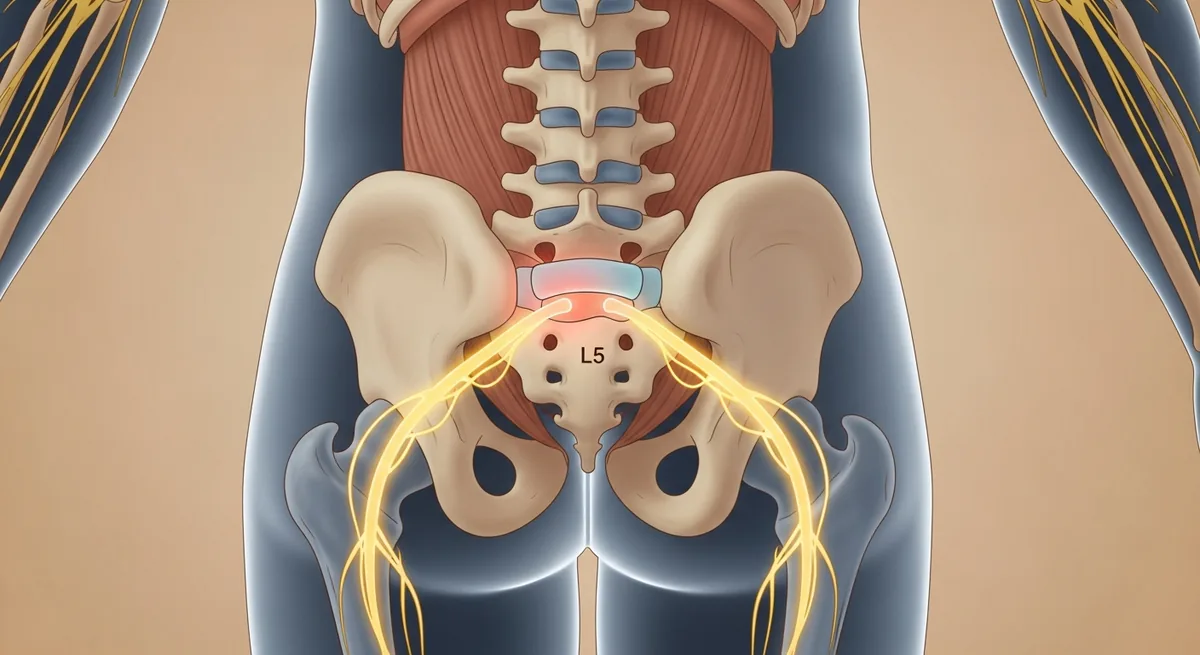
Sciatica
Advanced treatment for sciatic nerve pain and lower extremity radiculopathy.
Learn More About Sciatica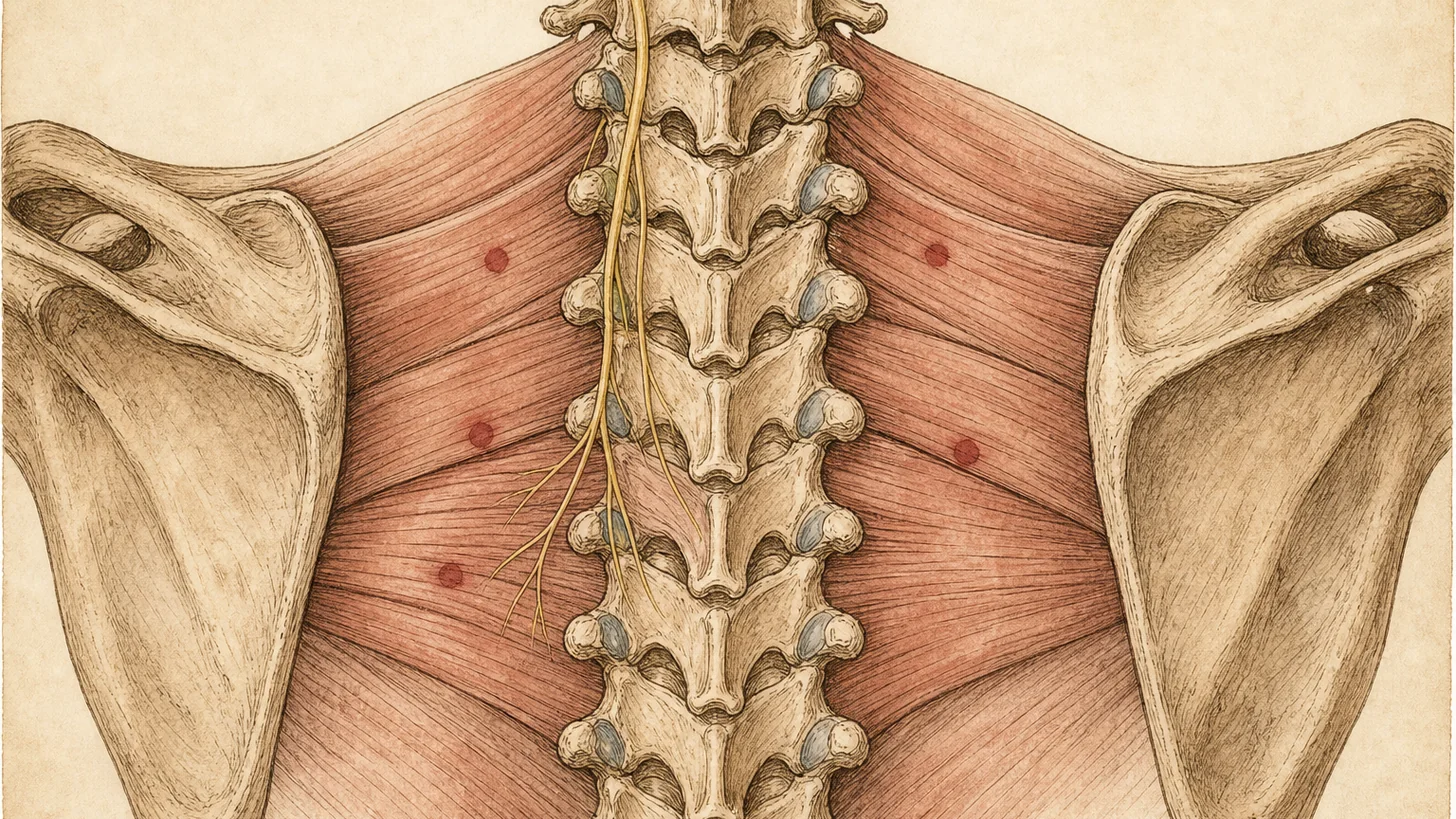
Shoulder Pain
Five shoulder problems can look alike from the outside and need different procedures. A careful history and exam of the shoulder and the neck sorts them out.
Learn More About Shoulder PainInsurance
We accept most commercial PPO plans. We verify your coverage before your visit and let you know if your plan isn't one we accept.
What Our Patients Say
Based on 89 Google Reviews
Treatment Options
Image-guided procedures, each matched to a specific diagnosis.
Headache & Migraine Injections
Headache and migraine injection therapy — PREEMPT Botox™, occipital and sphenopalatine nerve blocks, and trigger point injections, chosen by headache type.
Botox™ & Neuromodulator Therapy
Botox™, Dysport™, and Daxxify™ for cervical dystonia and muscle spasm, PREEMPT Botox™ for chronic migraine, and off-label masseter injections for TMJ-related jaw pain.
Joint & Soft Tissue Injections
Minimally invasive joint and soft tissue injections including corticosteroid, PRP, and viscosupplementation therapy.
Epidural Steroid Injections
Targeted spinal pain relief through epidural steroid injection therapy.
Medial Branch Block
Diagnostic nerve block that tests whether a facet joint is the likely source of your pain and, when positive, can qualify you for radiofrequency ablation.
Nerve Blocks
Precision nerve blocks to interrupt pain signals and provide lasting relief.
Radiofrequency Ablation
Radiofrequency treatment that quiets the small nerves carrying joint pain, with relief that lasts months in people who respond.
Genicular Nerve Block & Radiofrequency Ablation
Radiofrequency ablation of the small nerves that carry pain from an arthritic knee. What the trials show, who it fits, and what to expect.
SI Joint Radiofrequency Ablation
Image-guided lateral branch radiofrequency ablation of the L5 dorsal ramus and S1–S3 lateral branches — the repeatable option for sacroiliac joint pain traced by diagnostic blocks. In people who respond, relief often lasts about 6 to 12 months.
Trigger Point Injections
Injections into tender muscle knots, used to ease myofascial pain enough to start stretching and strengthening the muscle.
Muscle Tear & Soft Tissue Repair
Precision diagnosis and non-surgical treatment of partial and complete muscle tears — PRP, ultrasound-guided injections, and structured return-to-activity care.
Physical Therapy
Exercise-based physical therapy planned together with any injection or procedure, built on the trials that support it.
Sacroiliac (SI) Joint Injections
Image-guided sacroiliac joint injections: the reference-standard test for SI joint pain, and a treatment when the joint is the source. The SI joint causes an estimated 15–30% of chronic low back pain felt mainly below the lowest lumbar vertebra.
Hip Joint Injections
Image-guided intra-articular hip injections — diagnostic and therapeutic — for hip osteoarthritis, labral tears, and femoroacetabular impingement, performed under live fluoroscopic or ultrasound guidance.
Occipital Nerve Block
An occipital nerve block is a targeted injection of local anesthetic around the greater, lesser, or third occipital nerves to diagnose and treat occipital neuralgia, chronic migraine, cluster headache, and cervicogenic headache.
Platelet-Rich Plasma (PRP) Therapy
Autologous platelet-rich plasma (PRP), drawn from your own blood and concentrated in office, delivers growth factors directly into damaged tendons, ligaments, and joints — with evidence that varies by condition: more favorable trials for some tendon problems, and conflicting trials and guidelines for knee and hip arthritis.
Stellate Ganglion Block
A stellate ganglion block injects local anesthetic around the cervical sympathetic chain to quiet sympathetic 'fight-or-flight' signaling — used for complex regional pain syndrome, which insurers cover, and off-label for PTSD, long COVID and hot flashes.
Latest from Our Blog
Articles on pain conditions and the procedures used to treat them.
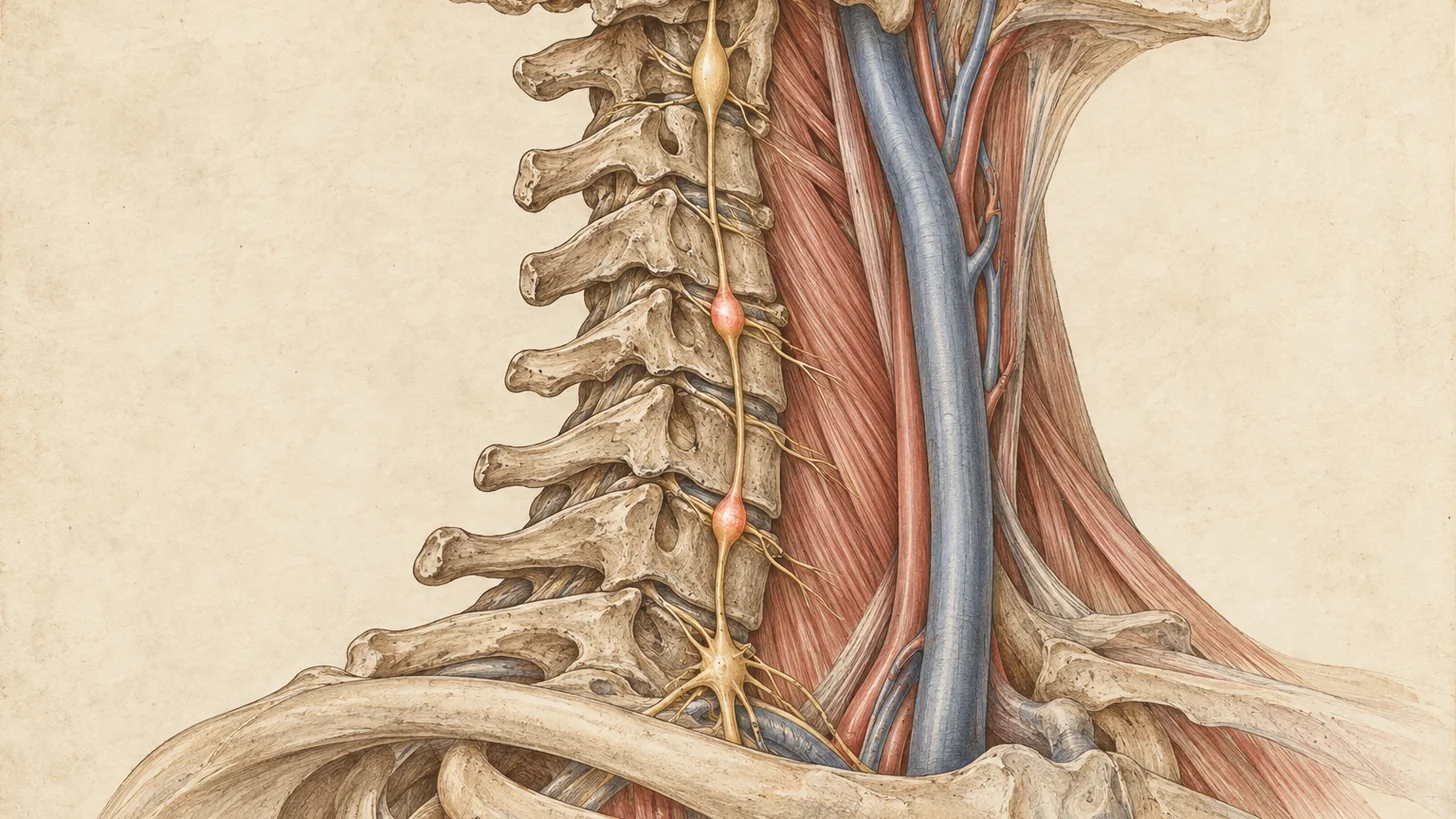
Stellate Ganglion Block for PTSD: What the Trials Found
Does a stellate ganglion block help PTSD? The sham-controlled trials, the guideline position, the real risks, and how Dr. Movshis does SGB in NYC.
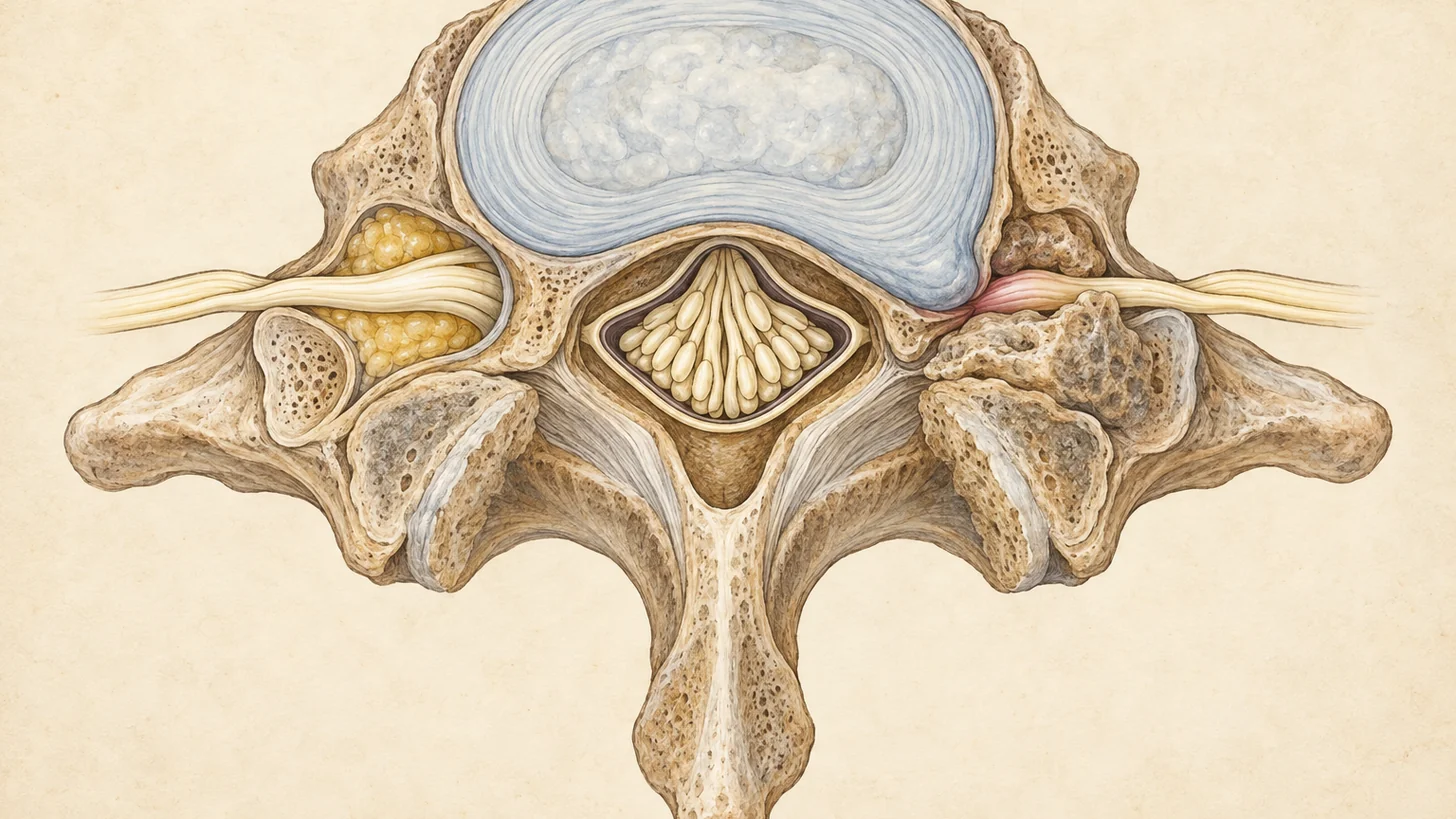
Foraminal Stenosis on Your MRI: What Mild, Moderate, Severe and Bilateral Actually Mean
Foraminal stenosis is narrowing of the opening a spinal nerve exits through. What mild, moderate, severe and bilateral mean on an MRI, and when it matters.
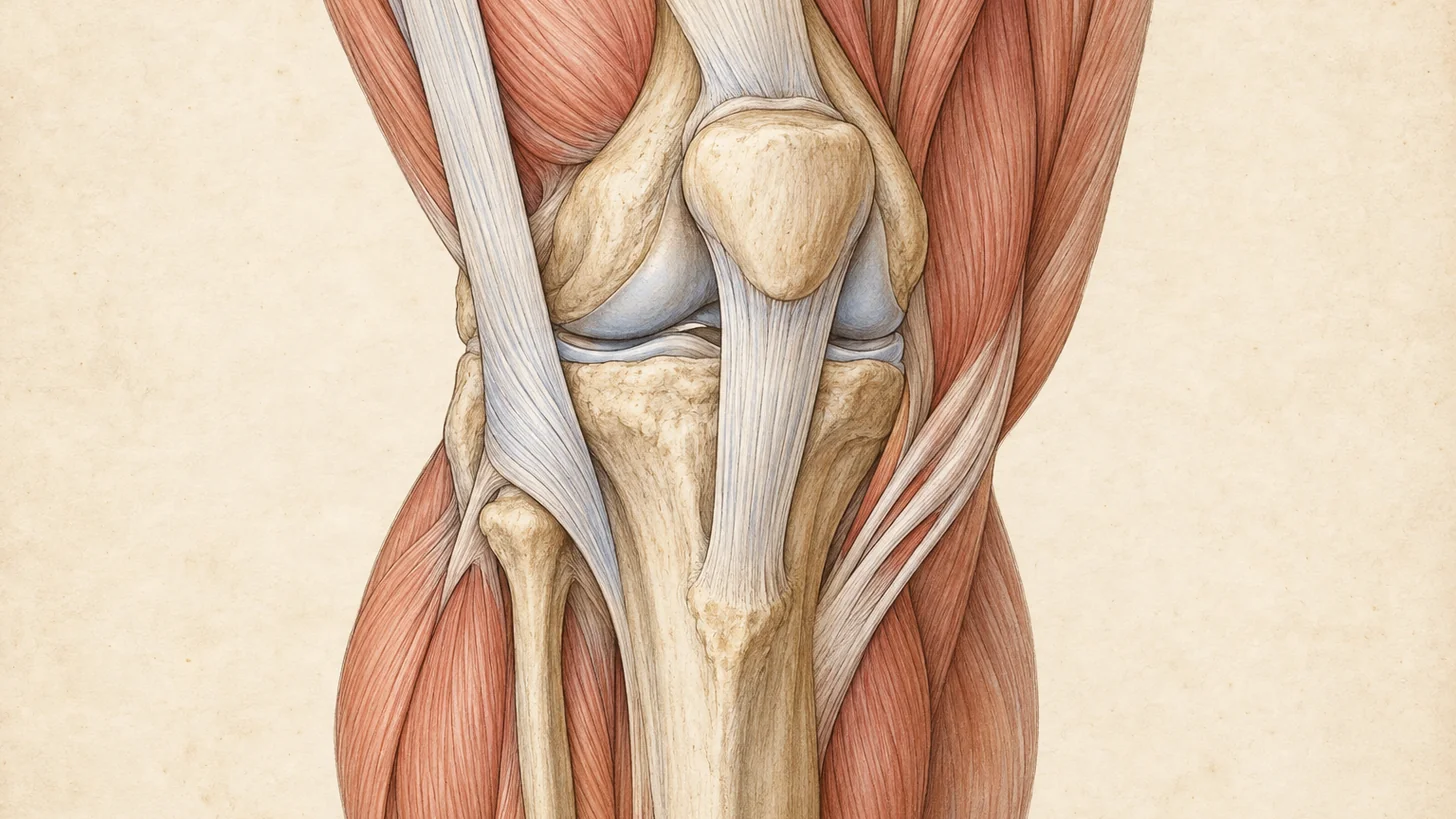
Knee Pain After Running: Where It Hurts Tells You What It Is, and What Actually Fixes It
Knee pain after running? Where it hurts separates runner's knee, patellar tendinopathy, IT band syndrome and arthritis. Each one has a different fix.
Frequently Asked Questions
Most of our new patients come in with one of five problems: neck pain (a pinched nerve, a facet joint, or muscle), back pain and sciatica, shoulder pain, chronic migraine and headache, and cervical dystonia. We also treat nerve pain after surgery, nerve entrapments, joint and tendon problems, and headaches that come from the neck. The first visit is a history and physical examination aimed at the most likely source of the pain. You leave with a working diagnosis and a plan, which may include imaging or a diagnostic block when the exam alone cannot settle the question.
Yes. Everything done in the office is non-surgical: image-guided injections, nerve blocks, radiofrequency ablation, Botox for chronic migraine and cervical dystonia, and platelet-rich plasma (PRP), usually alongside physical therapy and a home exercise plan. Many people with spine, joint and nerve pain improve without an operation. Some do not, and some have findings that need a surgeon sooner, such as progressive weakness. In those cases Dr. Movshis refers you for a surgical opinion.
It depends on the procedure. A local anesthetic block can ease pain within minutes, and that early effect is part of how it is read. Steroid injections usually take several days to start working, and the result is judged at a follow-up two to four weeks later. Relief from radiofrequency ablation tends to become clear over the first few weeks. Botox for chronic migraine is judged over two treatment rounds, about six months. At follow-up visits we check pain, function and activity against where you started.
We work with most commercial PPO plans, including Aetna, Anthem Blue Cross Blue Shield, Cigna, Empire Blue Cross Blue Shield, the Empire Plan, Oscar, Oxford, UMR and UnitedHealthcare. We do not accept Medicare, Medicaid, HMO plans, or workers' compensation. We check your benefits and go over what your plan covers and any expected cost by phone before your visit, so there are no surprise bills. Details are on the insurance page, and you can start a check on the verification form.
Sometimes. How long relief lasts depends on the condition and the procedure, and it varies between people. Radiofrequency ablation in people who respond often lasts several months to about a year, and it can be repeated if the pain returns. Botox for chronic migraine is repeated about every 12 weeks. Injections work best as a window to rebuild strength and movement, so most plans pair them with physical therapy or a home program. Follow-up visits are where the plan gets adjusted.