Skip to content

Epidural Steroid Injections

Epidural steroid injections for sciatica and back pain in Midtown Manhattan. Fluoroscopic-guided outpatient procedure. Most insurance accepted.

Book a Consultation

At Modal Pain Management in NYC, Dr. Alex Movshis specializes in epidural steroid injections as part of our comprehensive, non-surgical approach to pain management. Epidural steroid injections are among the most commonly performed and highly effective interventional procedures for treating radicular pain, sciatica, herniated discs, and chronic back pain. Rather than relying solely on medications that merely mask symptoms, these targeted injections deliver anti-inflammatory medication directly to the source of pain—the epidural space surrounding your spinal cord and nerve roots. This precise approach allows many of our patients to avoid surgery, resume their daily activities, and achieve meaningful pain relief in a matter of days to weeks.

How Epidural Steroid Injections Work

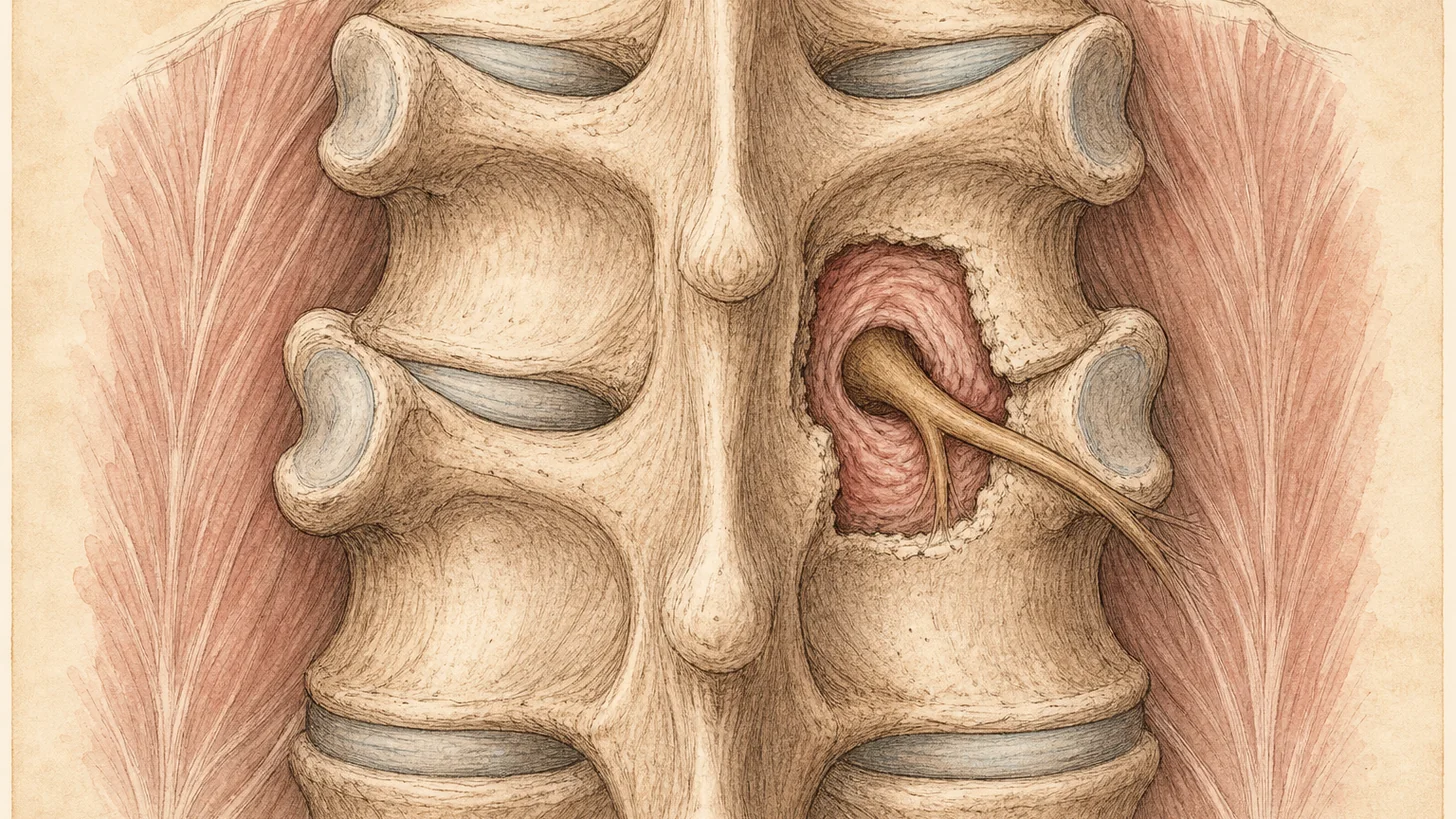
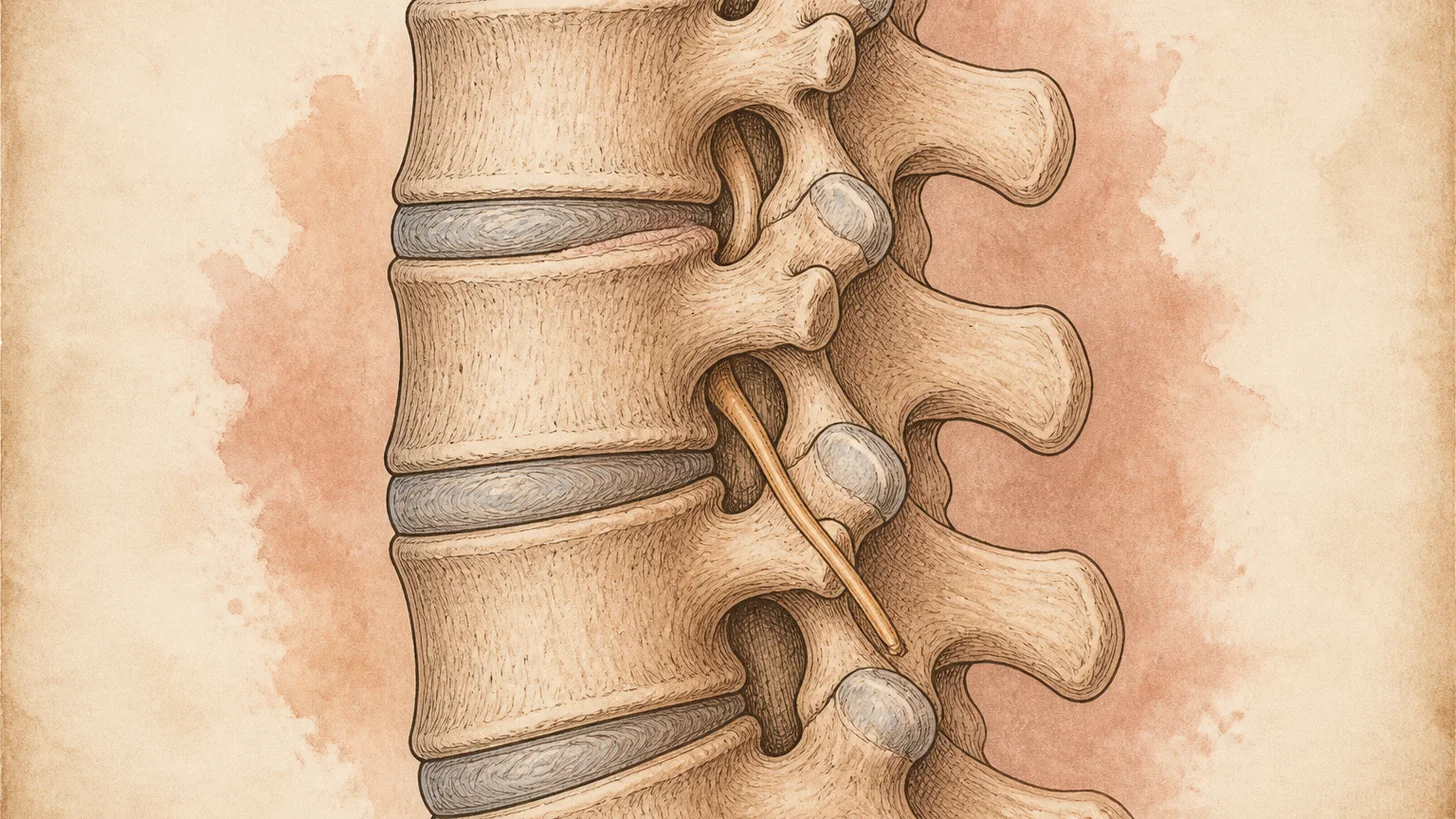
The epidural space is the area between the dura mater (the outermost membrane protecting the spinal cord) and the vertebral bone. When spinal structures become inflamed due to herniated discs, degenerative changes, or other conditions, they can irritate nearby nerve roots, causing pain that radiates into your legs, arms, or buttocks. During an epidural steroid injection, Dr. Movshis uses advanced fluoroscopic X-ray guidance to visualize the spine in real time, ensuring the needle reaches the exact location where inflammation is occurring. This fluoroscopic precision is crucial for safety and effectiveness, allowing the steroid medication and local anesthetic to be deposited exactly where they’re needed. The steroid reduces inflammation around the affected nerve root, while the anesthetic provides immediate pain relief. The combination addresses both the short-term pain and the underlying inflammatory process causing your symptoms.

Conditions We Treat with ESIs

Epidural steroid injections effectively treat multiple spinal conditions that cause radicular pain. Herniated discs are among the most common indications—when the inner nucleus of a disc bulges outward, it can compress and inflame nearby nerve roots, causing shooting pain. Lumbar spinal stenosis, a narrowing of the spinal canal often due to age-related degenerative changes, compresses multiple nerve roots and responds well to ESI therapy. Sciatica, characterized by pain radiating from the lower back through the buttocks and leg, often results from disc herniation or foraminal stenosis and typically improves significantly with these injections. Degenerative disc disease, where discs lose height and hydration over time, frequently causes inflammation that responds to steroid medication. Additionally, ESIs help patients with radiculopathy from various causes, facet-mediated referred pain, and post-surgical scar tissue inflammation.

Types of Epidural Injections

Dr. Movshis selects the approach that best targets your specific pathology. Interlaminar injections pass the needle between adjacent vertebral laminae to reach the epidural space, providing broad coverage and working well for central canal stenosis or bilateral symptoms. Transforaminal injections are directed toward the neural foramen where the nerve root exits the spine, offering the most direct access to the affected nerve and preferred for lateral disc herniations or foraminal stenosis. Caudal injections are performed at the base of the spine and are excellent for treating lower lumbar and sacral pain, particularly in patients where other approaches are anatomically difficult. Each approach is selected based on your imaging findings, symptom distribution, and anatomy to maximize the likelihood of relief.

Effectiveness and Benefits

Epidural steroid injections provide relief for 50-90% of patients with radicular pain or sciatica, with some studies showing even higher success rates when combined with physical therapy. Many patients experience relief within 24-48 hours, though maximum benefit typically develops over 1-2 weeks as inflammation decreases. Unlike oral pain medications that affect your entire body and carry risks of dependence or gastrointestinal side effects, these injections target inflammation at its source. This targeted approach means faster pain relief without systemic effects, allowing you to engage in rehabilitation and return to activities more quickly.

What to Expect During the Procedure

Your epidural steroid injection procedure takes approximately 15-20 minutes in our office-based setting. You’ll be positioned on the procedure table—either prone (lying face-down) or on your side, depending on which approach Dr. Movshis recommends. The skin is cleaned with sterile antiseptic solution, and a local anesthetic numbs the area. You may feel pressure as Dr. Movshis advances the needle, but the local anesthetic ensures the procedure is not painful. Real-time fluoroscopic guidance allows precise needle placement. Once positioned correctly, the steroid and anesthetic medication are gently injected. You’ll typically rest for 15-20 minutes afterward before going home. Most patients can return to light activities immediately, though strenuous activity should be avoided for 24-48 hours.

Treatment Course and Maintenance

Most patients receive a series of 2-3 injections spaced 2-4 weeks apart for optimal results, though many experience significant relief after a single injection. The effects typically last 3-6 months, and some patients achieve long-term or permanent relief after completing a course. When pain returns, additional injections can be administered as maintenance therapy, preventing you from escalating to stronger medications or surgery. This conservative treatment approach has allowed thousands of our New York patients to successfully manage chronic pain while maintaining active, functional lives.

Risks and Safety

Epidural steroid injections are among the safest interventional procedures available. Serious complications are extremely rare when performed by experienced physicians using fluoroscopic guidance. Minor side effects such as transient leg pain, headache, or increased pain lasting 24-48 hours occur in a small percentage of patients and resolve on their own. Infection, bleeding, and nerve damage are exceptionally uncommon due to strict sterile technique and precise needle placement. Dr. Movshis will review your medical history and any medications to ensure you’re an appropriate candidate, and we take every precaution to maximize safety and optimize your outcome.
Conditions We Treat With Epidural Steroid Injections

This treatment may be recommended as part of your personalized care plan for these conditions.

View All Conditions

Insurance May Cover Epidural Steroid Injections

We work with most major insurance providers. Let us verify your benefits before your first visit — at no cost or obligation.

Verify Your Insurance

Why Choose Modal Pain Management?

Mount Sinai Fellowship-Trained

Board-certified with fellowship training in interventional pain medicine at the Icahn School of Medicine at Mount Sinai.

In-Office Ultrasound & Fluoroscopy

Image-guided injections performed in-suite — no hospital referral, no waiting weeks for outside imaging.

Same-Site PT, Chiro & IV Therapy

Coordinated non-surgical care under one roof at 369 Lexington Avenue — physical therapy, chiropractic, and IV therapy all on site.

Non-Opioid by Design

Treatment plans built around interventional, regenerative, and rehabilitative care — not pills.

Frequently Asked Questions About Epidural Steroid Injections

Epidural steroid injections are among the safest interventional spine procedures, but honest disclosure matters. Serious complications — infection, bleeding, nerve injury, or accidental dural puncture causing a positional headache — occur in well under 1% of fluoroscopically guided cases. The FDA issued a warning in 2014 about rare neurologic events with cervical transforaminal injections involving particulate steroid; experienced interventional pain physicians now use non-particulate dexamethasone for cervical transforaminal procedures. Cumulative steroid exposure can transiently raise blood sugar, suppress the HPA axis, and — with frequent repetition over years — contribute to bone density loss, which is why a thoughtful physician limits injections per year and reassesses response after each one.

Most patients are advised to rest for the remainder of the procedure day. Gentle walking is fine and actually encouraged, but avoid strenuous activity, heavy lifting over 10–15 pounds, prolonged driving, and impact exercise for 24–48 hours. You can typically return to a sedentary job the next day. Pain relief from the local anesthetic may create a false sense of capability in the first few hours; the steroid itself takes 2–7 days to reach maximum anti-inflammatory effect. A short rest window protects the injection site, allows the steroid to concentrate where it was placed, and reduces the small risk of post-procedure bleeding or pain flare.

The most common side effects are transient and resolve on their own: a temporary increase in pain at the injection site for 24–48 hours, post-injection headache, facial flushing or a sensation of warmth lasting 1–2 days, brief insomnia, and elevated blood sugar in patients with diabetes (typically for 3–7 days). Less common effects include menstrual irregularity, transient weight gain from fluid retention, or a brief mood change. Serious side effects — infection, bleeding, nerve injury, or dural puncture — are rare when the procedure is performed with experienced fluoroscopic technique. Allergic reaction to iodinated contrast is uncommon and screened for in advance.

Published outcomes for L4-L5 lumbar epidural steroid injections show meaningful pain relief in approximately 50–80% of appropriately selected patients, with the strongest responses seen in radicular pain from a contained disc herniation. Transforaminal approaches at L4-L5 tend to outperform interlaminar approaches when one nerve root is the clear pain generator, because the medication is delivered directly to the inflamed nerve. Relief typically lasts 3–6 months on average, with a meaningful subset of patients achieving durable improvement after one injection or a short series of two to three. Outcomes improve when ESI is paired with a structured physical therapy program.

Duration of relief varies considerably. The local anesthetic component gives near-immediate pain reduction lasting hours; the steroid then takes 2–7 days to begin its anti-inflammatory effect, with peak benefit at 2–3 weeks. Average duration of meaningful relief is 3–6 months, but the realistic range spans weeks to over a year. Patients with acute disc herniations and short-duration symptoms often achieve the longest relief, sometimes permanent — the injection buys time for the underlying inflammation and disc to resolve. Chronic conditions like spinal stenosis usually require periodic maintenance injections combined with rehabilitation, weight management, and core strengthening.

With commercial PPO insurance, your out-of-pocket cost depends on your plan's deductible, coinsurance, and copay structure — typically ranging from $50 to $500 per injection after benefits apply. Without insurance, list prices in NYC commonly run $1,000–$3,000 per injection, depending on facility (office-based versus hospital outpatient department) and approach (interlaminar versus transforaminal versus caudal). Modal Pain Management is an office-based Midtown Manhattan practice that accepts most commercial PPO plans, and we verify your benefits before your visit at no charge or obligation. We do not accept Medicare or Medicaid.

There is no hard FDA limit, but most interventional pain specialists follow a convention of up to three to four epidural steroid injections per spinal region per year, spaced at least two weeks apart. The traditional 'series of three' is not mandatory — if a single injection produces durable relief, additional injections are not needed. If two consecutive injections produce no benefit, a third is unlikely to help and the diagnosis should be reconsidered. Cumulative steroid exposure is tracked carefully because long-term high doses can affect bone density, blood glucose, immune function, and the body's natural stress-response system.

'Cortisone shot' is a general term — cortisone is part of the corticosteroid medication class used in nearly every steroid injection. An epidural steroid injection is a specific procedure that delivers a corticosteroid (commonly dexamethasone, methylprednisolone, or triamcinolone) into the epidural space surrounding the spinal cord and nerve roots, under fluoroscopic guidance, to treat radicular pain. So an ESI is one type of cortisone shot — but cortisone shots into a knee, shoulder, hip bursa, or trigger point use the same medication class for entirely different anatomic targets and conditions, with different evidence and risk profiles.

You may be a candidate if you have radicular pain — sharp, shooting, or burning pain radiating into a leg or arm in a nerve-root pattern — that has persisted beyond six weeks despite conservative care like physical therapy, NSAIDs, and activity modification, with MRI imaging showing nerve-root compression or inflammation that matches your symptom distribution. Common indications include sciatica from disc herniation, lumbar or cervical spinal stenosis, foraminal stenosis, and post-laminectomy radiculopathy. Contraindications include active infection at the injection site, uncontrolled bleeding disorders, certain anticoagulant medications, severely uncontrolled diabetes, allergy to contrast or steroid medication, and pregnancy.

A non-response to a properly performed ESI is diagnostically informative. The most common explanations are: (1) the pain generator is not nerve-root inflammation but instead a facet joint, sacroiliac joint, or myofascial source — which can be evaluated with a [medial branch block](https://modalpain.com/treatments/medial-branch-block/) or targeted diagnostic injection; (2) the structural pathology is severe enough that anti-inflammatory medication cannot decompress the nerve, suggesting a surgical consultation is appropriate; or (3) central sensitization is contributing to pain that no peripheral injection can fully address. Dr. Movshis reviews your imaging, exam, and response in detail to redirect the diagnostic and treatment plan.

Ready to Start Your Pain-Free Journey?

Schedule your consultation with Dr. Movshis today.

Book an Appointment