At Modal Pain Management in New York City, Dr. Alex Movshis specializes in radiofrequency ablation (RFA) as a cornerstone of non-surgical interventional pain management. Radiofrequency ablation is an advanced, minimally invasive procedure that uses carefully controlled heat to create a precise lesion on nerve fibers responsible for transmitting chronic pain signals. Unlike oral medications or temporary nerve blocks, RFA offers patients the potential for substantial, long-lasting pain relief that can persist for six months to well over a year. For patients in the NYC area suffering from chronic back pain, neck pain, or joint pain who have not found adequate relief through conservative treatments, radiofrequency ablation represents a breakthrough option that can dramatically improve quality of life while avoiding the risks and recovery period associated with surgery.
How Radiofrequency Ablation Works
Radiofrequency ablation operates on a sophisticated principle of thermal nerve lesioning. During the procedure, a specialized needle electrode is precisely positioned adjacent to the target nerve using real-time fluoroscopic guidance—a form of live X-ray imaging that allows Dr. Movshis to visualize the anatomy in detail. Once the electrode is correctly positioned, radiofrequency energy is delivered through the needle, generating controlled heat that raises the temperature of the surrounding nerve tissue to approximately 80 degrees Celsius. This heat creates a carefully sized lesion that disrupts the nerve’s ability to transmit pain signals to the brain, effectively silencing the communication pathway between the painful area and the central nervous system. The procedure does not destroy the nerve permanently; instead, the nerve gradually regenerates over several months, typically between six and twelve months, at which point the procedure can be safely repeated if pain returns. This reversible nature of radiofrequency ablation distinguishes it from destructive procedures and makes it an exceptionally safe option with minimal risk of permanent nerve damage or complications.
Conditions Treated with RFA
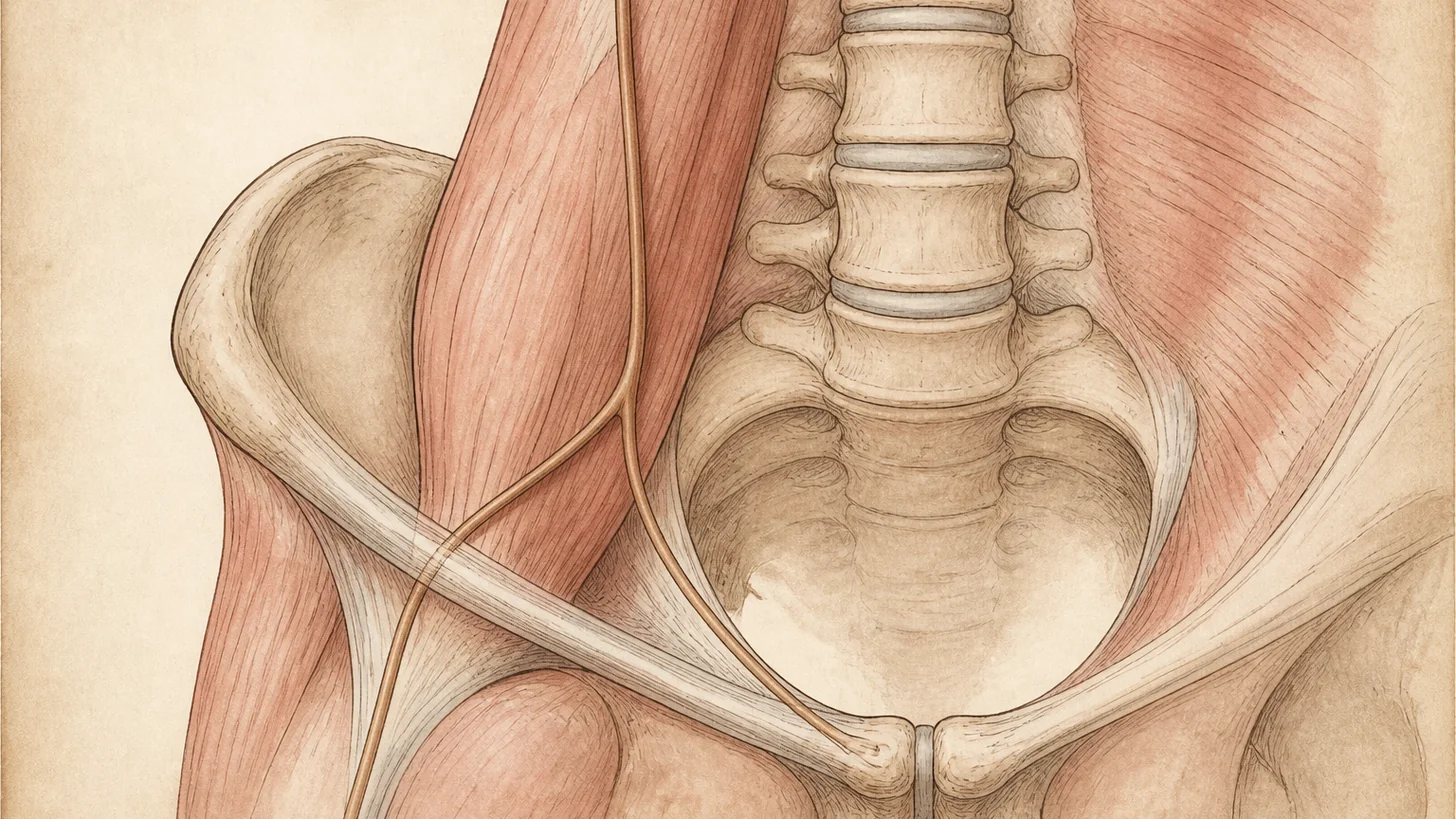
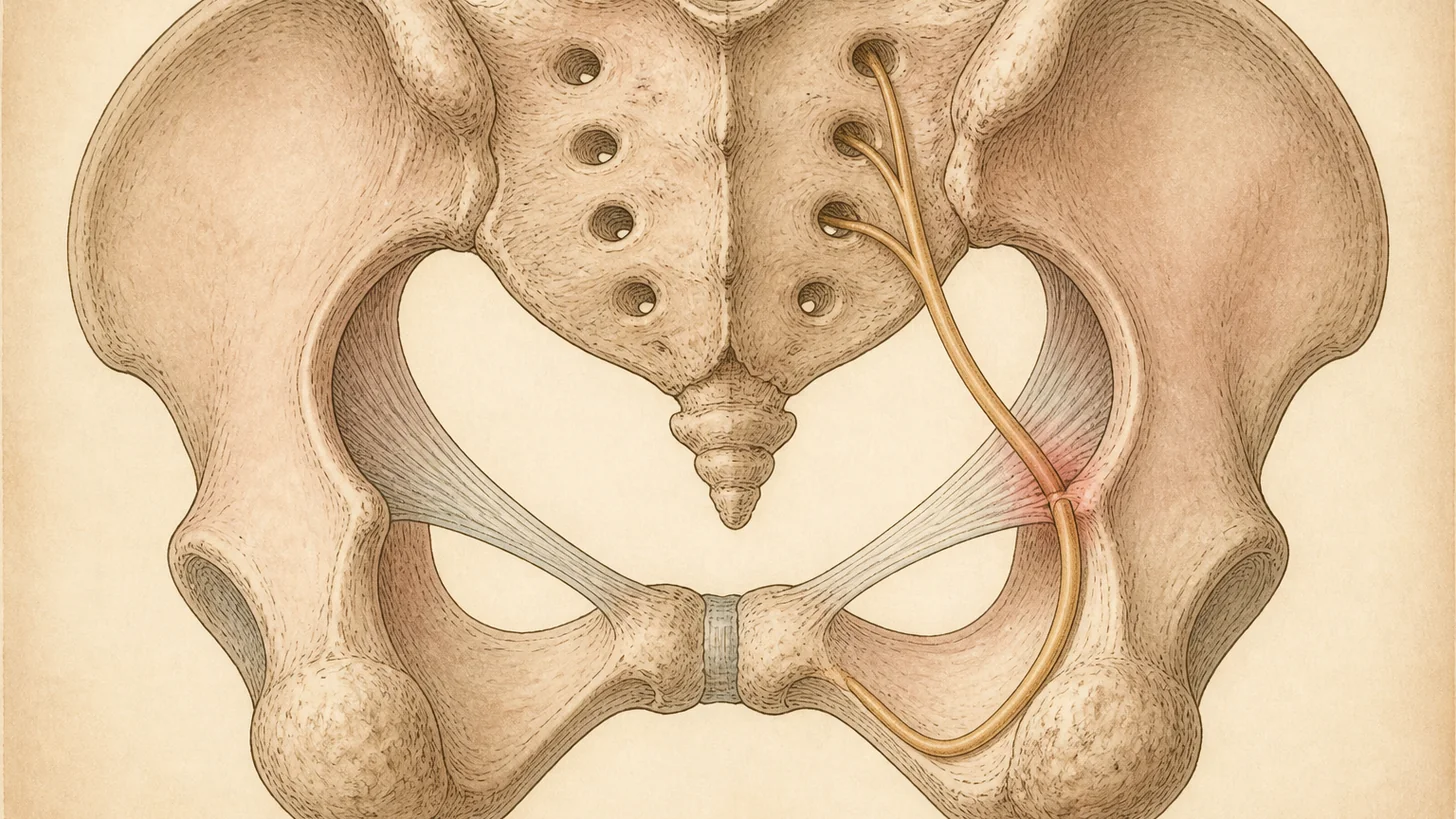
Radiofrequency ablation is highly effective for a range of chronic pain conditions that arise from specific nerve pathways. Facet joint pain, which originates from the small joints along the spine, responds exceptionally well to RFA because the pain signals travel through medial branch nerves that can be targeted precisely. Sacroiliac joint pain, another common source of lower back and buttock discomfort, similarly benefits from ablating the nerves that supply this joint — performed as a dedicated SI joint radiofrequency ablation targeting the L5 dorsal ramus and S1–S3 lateral branches. Chronic back pain and neck pain resulting from facet joint osteoarthritis are among the most frequently treated conditions at our NYC practice. Additionally, RFA can address painful peripheral nerves and certain neuropathic pain conditions when the anatomical pathway of pain transmission has been clearly identified. The key to successful treatment is ensuring that the pain truly originates from the nerve being targeted, which is confirmed through diagnostic testing before proceeding with ablation.
The Diagnostic Process
Before performing radiofrequency ablation, Dr. Movshis uses a carefully structured diagnostic approach to confirm that the targeted nerve is genuinely responsible for the patient’s pain. This begins with a medial branch block—a diagnostic injection of local anesthetic placed directly around the suspected pain-transmitting nerve. If this injection provides significant pain relief, even temporarily, it confirms that the nerve is indeed the source of the pain. This confirmation is crucial because it predicts which patients will have a favorable response to radiofrequency ablation. Patients who experience good relief from the diagnostic block have success rates exceeding 70-80% with the subsequent ablation procedure. This methodical, evidence-based approach ensures that radiofrequency ablation is only performed on patients most likely to benefit, maximizing outcomes and avoiding unnecessary procedures.
What to Expect During the Procedure
The radiofrequency ablation procedure is performed in our fluoroscopy-equipped interventional suite under light sedation, ensuring the patient is comfortable while remaining sufficiently alert to communicate with Dr. Movshis about any unusual sensations. After the skin is cleaned and numbed with local anesthetic, the fluoroscope guides the placement of the radiofrequency needle to the precise location of the target nerve. Once proper positioning is confirmed through imaging, sensory and motor stimulation tests may be performed to ensure the needle is at the correct anatomical site. The radiofrequency energy is then applied in controlled pulses, typically for 60-90 seconds per lesion. Patients may feel a mild warming sensation during this time, but the local anesthetic and sedation prevent significant discomfort. The entire procedure usually takes 30 to 45 minutes from start to finish. After the procedure, patients are monitored briefly in recovery before being discharged home with post-operative instructions and pain management guidance.
Effectiveness and Duration of Relief
The effectiveness of radiofrequency ablation is well-documented in clinical literature and clinical experience. Appropriately selected candidates—those whose diagnostic nerve blocks provided clear pain relief—achieve meaningful pain reduction in 70 to 90 percent of cases. The duration of relief is one of RFA’s greatest advantages; many patients enjoy pain reduction lasting six to twelve months or even longer. Some patients experience relief that persists for two years or more before nerve regeneration causes pain to return. When pain does eventually return, the procedure can be safely repeated, allowing patients to maintain long-term pain control without undergoing surgery or becoming dependent on escalating doses of pain medication. This extended duration of relief makes radiofrequency ablation an excellent investment in long-term quality of life.
Recovery and Follow-Up
Recovery from radiofrequency ablation is remarkably straightforward. Most patients return home the same day and experience minimal discomfort at the procedure site. Some mild soreness around the injection area may occur for a few days but typically resolves quickly with over-the-counter pain management. Patients are encouraged to rest for the remainder of the day of the procedure, but normal activities can usually resume within 24 to 48 hours. The nerve lesion continues to provide pain relief over the following weeks as inflammation resolves and the full effect becomes apparent. Dr. Movshis schedules follow-up appointments to assess pain levels, discuss improvements in function and activity tolerance, and plan long-term pain management strategy. Many patients at our NYC practice find that the pain relief from radiofrequency ablation allows them to reduce or eliminate pain medications, participate more fully in physical therapy, and return to activities they had abandoned due to chronic pain. If pain eventually returns after six to twelve months, repeat radiofrequency ablation can be performed to maintain ongoing relief.