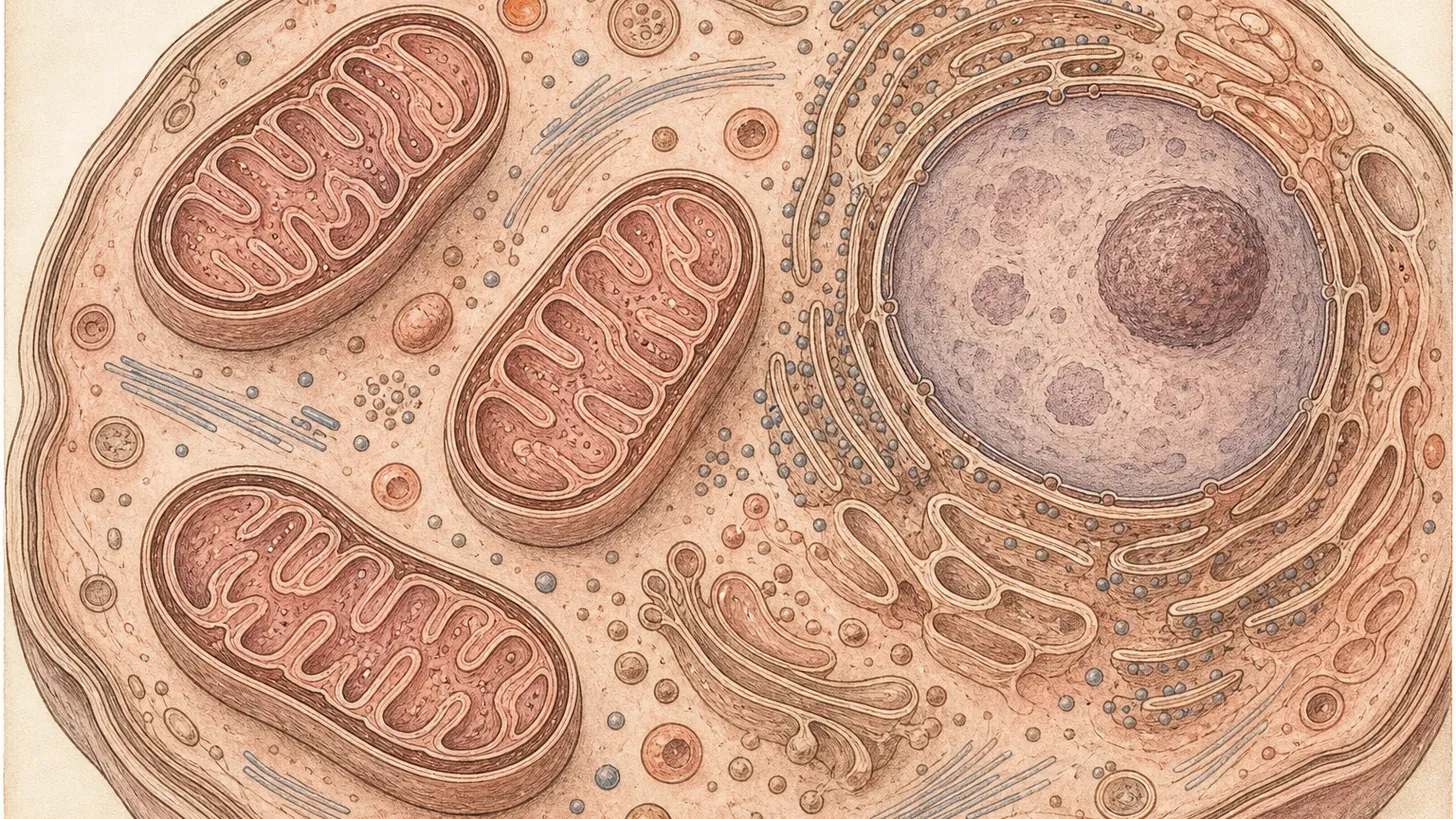
NAD+ (nicotinamide adenine dinucleotide) is a coenzyme present in every cell. Mitochondria need it to make ATP, DNA-repair enzymes (PARPs) use it up, and the sirtuins, a family of enzymes involved in the cell’s stress response, cannot work without it. In animals, NAD+ levels fall with age, and restoring them improves several markers of health and extends lifespan in some models (Rajman et al., 2018). Whether topping up NAD+ from outside changes how people feel or function is still an open question.
At Modal Pain Management NYC, NAD+ infusions are prescribed and monitored by Dr. Movshis, a board-certified anesthesiologist and pain management specialist. There is no evidence-based dose of IV NAD+, so what a physician adds is screening before the first infusion, a slow and adjustable drip, and someone in the room who can manage a reaction.
Why Physician Supervision Matters for NAD+
NAD+ infusions have real physical effects. Run too fast, the drip tends to cause chest tightness, nausea, flushing and significant discomfort. At 250–500 mg, the infusion takes 90–120 minutes because the rate has to be controlled for comfort. Dr. Movshis adjusts the rate to your tolerance, vital signs are monitored, and he is available to manage any reaction.
Clinical Applications
NAD+ is widely marketed for “anti-aging” and “energy.” These are the reasons our patients usually ask about it, with what is and isn’t known:
- Chronic pain and neuroinflammation. NAD+-dependent enzymes such as PARP and the sirtuins are involved in inflammatory signaling and nerve injury in laboratory studies. No human trial has tested IV NAD+ for chronic pain. If you try it, it sits alongside your interventional care, not in place of it.
- Post-procedural recovery. Some patients book an infusion in the days after nerve blocks, epidural injections, or radiofrequency ablation. There is no evidence that NAD+ speeds recovery or makes a procedure last longer.
- Cognitive clarity. Brain fog is one of the most common reasons people ask. In trials of oral NAD+ precursors, blood NAD+ rose reliably, but effects on function and metabolism were inconsistent and often null, and IV NAD+ has not been tested for these outcomes (Gallagher & Emmanuel, 2026).
- Metabolism. NAD+ biology is tied to metabolism in animal work. In a 60-day trial of oral NMN in healthy middle-aged adults, insulin resistance (HOMA-IR) did not change compared with placebo (Yi et al., 2023). NAD+ is not a weight-loss treatment. If weight is part of your pain picture, our medical weight loss program is the place for that.
Dosing Protocol
NAD+ 250mg — $400
The usual starting dose, and the one most patients stay on. Infusion time is approximately 90 minutes at a controlled drip rate. Most patients tolerate it. Some report more energy within a day or two, which is a report rather than a measured outcome.
NAD+ 500mg — $500
The higher dose, usually for patients who tolerated 250 mg. Infusion time is approximately 120 minutes. No study has compared 250 mg with 500 mg, so the larger dose is not known to work better.
NAD+ Injections (Shots)
NAD+ 100mg shot — $100
An intramuscular injection that takes a few minutes, with no IV and no long appointment. It can be given on its own or added to another visit.
NAD+ 200mg shot — $200
A larger injection. No study has compared 100 mg with 200 mg, so the higher dose is not known to do more.
The shots carry the same evidence gap as the drip. A 2026 systematic review found no trials measuring clinical outcomes of intramuscular or IV NAD+ for wellness or anti-aging uses (Gallagher & Emmanuel, 2026). Expect some soreness where the needle went in. B12, vitamin D and Lipo-B shots are on our vitamin shots page.
What a Session Looks Like
Before your first NAD+ infusion, Dr. Movshis reviews your medical history, current medications, and goals to decide whether NAD+ makes sense and at what dose. Plan on roughly 2 hours for a 500 mg infusion, from arrival to leaving.
- The day before and morning of. Drink normally, eat a light meal about 2 hours before, and skip heavy caffeine.
- Check-in. Vital signs (blood pressure, heart rate, oxygen) and a quick review of how any earlier infusion went.
- Starting the IV. Dr. Movshis places the IV himself, in the arm or hand. An anti-nausea medication can be given first if you needed one before.
- The infusion. You sit in a private treatment room and can read, work or rest. The drip starts slowly and is increased as you tolerate it. Flushing, warmth or chest awareness are common as the rate goes up, and they usually ease when it is slowed. Vital signs are checked throughout.
- Afterward. The IV comes out, vital signs are rechecked, and most patients go back to their normal day.
Recommended Treatment Schedule
If you want to try NAD+, Dr. Movshis usually schedules an infusion about once every 2 to 4 weeks, set individually, with an honest check after the first few on whether it did anything for you. No trial has tested a loading or maintenance schedule for IV NAD+, so the schedule follows your response, not a protocol from the literature. Many patients book the infusion on the same day as a follow-up visit.
How long do NAD+ IV effects last?
Patients who feel a change usually describe it within a day or two, and they tell us it fades over several days to roughly two weeks. Those are reports, not measured outcomes. No clinical trial has shown that a single drip produces a lasting, months-long effect, so we don’t sell it as a one-time reset. If two or three sessions do nothing for you, the right call is to stop, and Dr. Movshis will say so rather than sell you a package.
NAD+ IV vs. Oral NAD+ Precursors
Oral precursors, nicotinamide riboside (NR) and nicotinamide mononucleotide (NMN), are sold over the counter, and their biology has been studied in more depth than IV NAD+ (Yoshino et al., 2018). In human trials they reliably raise blood NAD+ and are well tolerated, but their effects on function and metabolism have been inconsistent. IV NAD+ goes into the blood directly and is cleared quickly, and it has no outcome trials at all (Gallagher & Emmanuel, 2026). Oral precursors are cheaper and better studied. Choosing IV anyway is reasonable as long as it is an informed choice.
Who Should Not Receive NAD+
NAD+ by IV or injection is not appropriate if you have:
- Active cancer.
- Uncontrolled high blood pressure (above 160/100 on the day of treatment).
- A recent heart attack or unstable angina.
- Severe liver disease.
- Pregnancy or breastfeeding, because there are not enough safety data.
- A known allergy to NAD+ or B vitamins.
If you take medications that affect mitochondrial function, Dr. Movshis reviews them first. Everyone is screened before the first treatment. Drug interactions with IV NAD+ have not been formally studied, so bring your full medication list.
Choosing an NAD+ Provider in NYC
NAD+ is sold by IV lounges, mobile services and medical practices. Whoever you choose, look for these:
- A physician who prescribes it and is on site while it runs.
- Screening before the first dose, including a medication review and a check for heart and blood pressure problems.
- Vital-sign monitoring during the infusion, and a drip rate that is adjusted to how you feel.
- Prices in writing, with no package to buy before a trial session.
- Honesty about the evidence. A provider who promises anti-aging, detox or addiction cures from NAD+ is going beyond what any trial has shown.
What the evidence shows
The cell biology behind NAD+ is genuinely promising, but the human evidence for IV NAD+ is thin, and we would rather say so. A 2026 systematic review found no trials measuring clinical outcomes of IV or intramuscular NAD+ for wellness or anti-aging uses. The biological activity is clear, but clinical effectiveness is unproven (Gallagher & Emmanuel, 2026). The same review found that oral precursors (NR and NMN) reliably raised blood NAD+ levels, yet effects on function, metabolism and blood vessels were inconsistent and often null. Individual trials vary: one 60-day trial of oral NMN in 80 healthy middle-aged adults did report a longer six-minute walk than placebo (Yi et al., 2023). Even getting NAD+ into the blood is less simple than it sounds. In a small pilot study of a 6-hour IV infusion, plasma NAD+ did not rise for the first 2 hours because the body removed it as fast as it went in (Grant et al., 2019). We offer NAD+ as an adjunct alongside your pain care, not as a cure, and Dr. Movshis reviews your history before any infusion.