A 63-year-old architect comes in with a standing X-ray report that says moderate medial joint space narrowing with marginal osteophytes, right knee. Her knee aches going down the subway stairs at Grand Central, stiffens after a long meeting, and loosens after a few steps. A surgeon told her she will need a replacement eventually. What she wants to know is what she can do now, how well each option works, and how long it lasts.
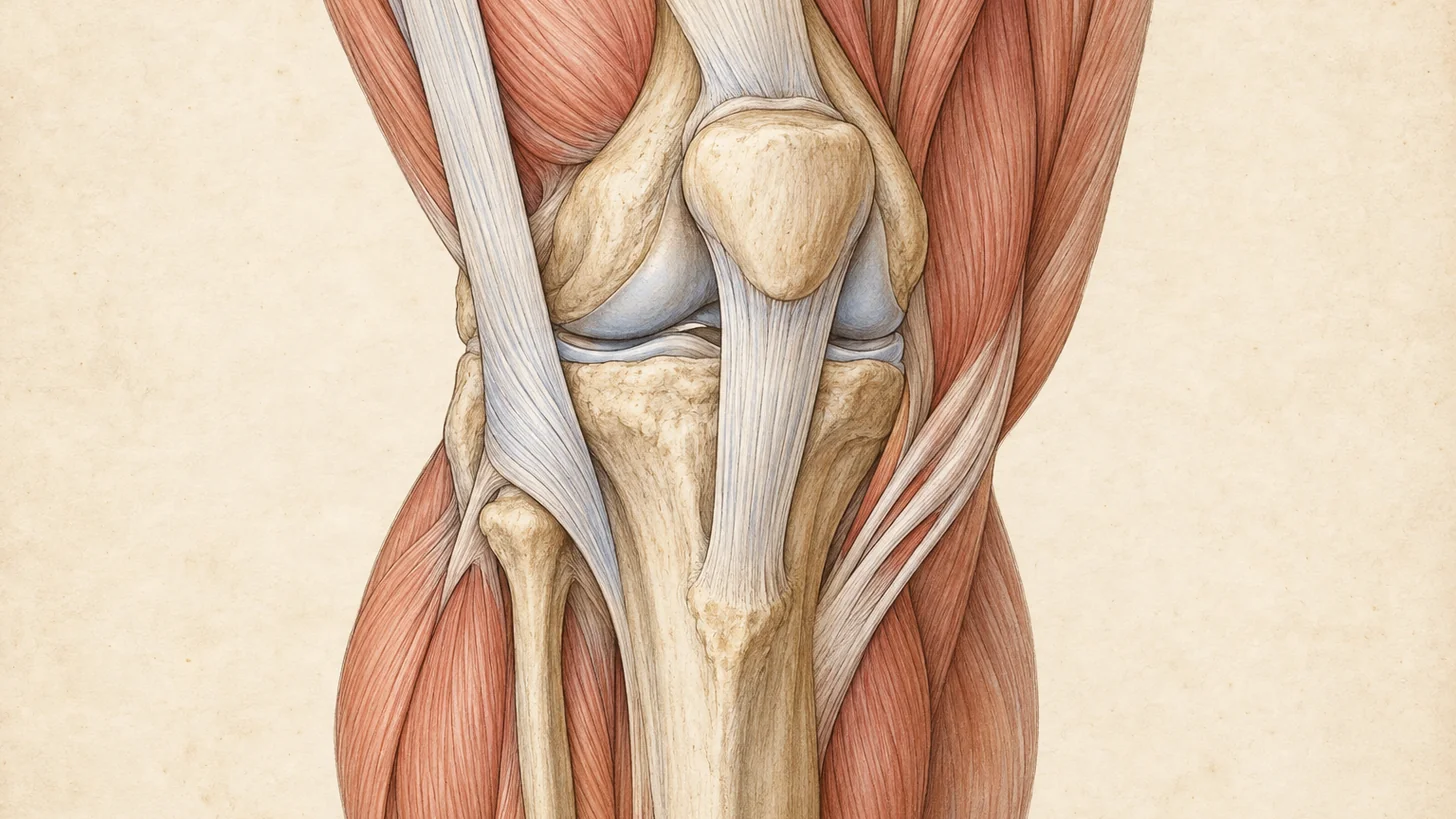
Knee osteoarthritis is the slow wearing of the cartilage that lines the joint, along with changes in the bone underneath, the joint lining and the meniscus. It is the most common reason adults over 50 have a painful knee. Most people with it never need surgery, and most of the treatments that help are not procedures. At Modal Pain Management, at 369 Lexington Avenue, Floor 25, Dr. Alex Movshis, MD, dual board-certified in anesthesiology and pain medicine, works out with you which treatments fit your knee and what each one realistically offers.
What your X-ray says, and what it can’t
Knee arthritis is a clinical diagnosis backed by a standing X-ray. The classic picture is knee pain in someone over 50, morning stiffness that lasts less than 30 minutes, a grinding feel when the knee bends, and bony enlargement or tenderness at the joint line (Altman 1986). The X-ray adds the narrowed joint space and the bone spurs (osteophytes).
Radiologists usually grade the X-ray on the Kellgren–Lawrence scale. Grade 2 means definite bone spurs, grade 3 adds definite narrowing, and grade 4 means marked narrowing with bone deformity, which is what people mean by “bone on bone.” The grade is useful, but it is a poor predictor of how much a knee hurts. Across the studies in one systematic review, 15% to 76% of people with knee pain had arthritis on X-ray, and 15% to 81% of people with arthritis on X-ray had pain (Bedson 2008). Two people with the same grade can live very different lives.
The kneecap joint matters more than most reports suggest. In 777 people over 50 with knee pain who had X-rays that included a kneecap view, 24% had arthritis only behind the kneecap, 4% only in the main joint, and 40% in both (Duncan 2006). Pain going down stairs, squatting, and getting out of a low chair often comes from there.
An MRI is rarely needed to diagnose knee arthritis, and it often finds things that are not the problem. In a community study of adults aged 50 to 90, meniscus tears showed up on MRI in 19% to 56% depending on age and sex, and 61% of the people with tears had no knee pain, aching or stiffness in the previous month (Englund 2008). In an arthritic knee, a “degenerative meniscus tear” on an MRI report is usually part of the arthritis, not a separate injury that needs fixing.
Is it the arthritis, or something next to it?
Several conditions hurt around the knee and are easy to blame on an X-ray finding.
Pes anserine bursitis. A tender spot on the inner shin about two inches below the joint line. It often sits on top of medial knee arthritis, and treating it can take away a large share of the pain. See knee bursitis.
A locked knee. True locking, where the knee will not straighten until it is wiggled free, is not typical of arthritis. It points to a torn piece of meniscus or a loose body and needs an orthopedic opinion.
Hip arthritis. A worn hip can send pain down the front of the thigh to the knee. A knee exam that is normal while the hip is stiff and painful to rotate sends the workup to the hip.
A pinched L3 or L4 nerve root. Back-related pain can wrap around the front of the knee, usually with numbness or changes on the nerve exam.
Overuse in active people. Pain around the kneecap, on the outside of the knee at a predictable mile, or just below the kneecap is usually runner’s knee, IT band syndrome or patellar tendinopathy. Our guide to knee pain after running sorts these out by where it hurts.
Gout, pseudogout and infection. A knee that turns hot, red and swollen within a day is not ordinary arthritis. It needs to be drained and the fluid examined the same day, and the emergency section below says when to go straight to an emergency room.
What helps knee arthritis the most
Exercise
Strengthening and aerobic exercise reduce knee arthritis pain by about 12 points on a 100-point scale right after a program, an effect the Cochrane review judged comparable to anti-inflammatory pills (Fransen 2015). Every major guideline puts exercise first (Kolasinski 2020, Brophy 2022). No single type has been proven better than another, so the right program is the one you will keep doing. Modal Pain’s physical therapy team builds it around the movements that hurt you, such as stairs, squats and getting up from a chair.
Weight
Each pound lost takes about four pounds of load off the knee with every step (Messier 2005). Instrumented knee implants have measured peak forces of about 2.6 times body weight with walking and 3.5 times going down stairs (Kutzner 2010), which is why stairs are usually the first thing to hurt. In the IDEA trial, people who combined diet and exercise lost an average of 11% of their weight and had less pain than those who exercised alone (Messier 2013). In the STEP 9 trial, weekly semaglutide produced a 13.7% weight loss and a larger drop in arthritis pain than placebo (Bliddal 2024). Weight loss has not been shown in trials to slow the structural damage on X-ray or MRI (Hunter 2015). For people who need help losing weight, our medical weight loss program can be part of the plan.
Medication
Topical anti-inflammatory gel, such as diclofenac, is the first medication the American College of Rheumatology recommends for the knee, ahead of pills (Kolasinski 2020). It reaches the knee with far less of the stomach, kidney and heart exposure that comes with daily oral anti-inflammatories.
Knee injections: what each one actually does
Every knee injection at Modal Pain is placed under ultrasound or fluoroscopic (X-ray) guidance. Guidance puts the needle in the joint about 95% of the time, compared with about 82% without it (Kasitinon 2026). Small trials suggest guided injections also work somewhat better, although the American College of Rheumatology does not require guidance for the knee (Kolasinski 2020). Dr. Movshis uses it because it confirms the medication went where it was meant to go. What to do after each injection is on the cortisone and gel injection aftercare page.
Cortisone
A cortisone injection (triamcinolone or betamethasone) calms a flare. In the Cochrane review of 27 trials, it reduced pain by about one point on a ten-point scale more than a placebo injection, with the benefit largest in the first one to six weeks and gone by six months (Jüni 2015). About one in eight people improved who would not have improved with the placebo. It works best when you need a few good weeks, for example to get through a trip or to make physical therapy possible.
More is not better. In a trial that injected cortisone every three months for two years, the cortisone knees lost slightly more cartilage than the saline knees, and pain was no different (McAlindon 2017). No guideline sets a safe number per year. Dr. Movshis does not repeat a cortisone injection that did not help, and spaces repeat injections at least three months apart. People with diabetes can see higher blood sugars for a few days afterward.
Gel (hyaluronic acid)
Gel injections are FDA-approved as devices for knee arthritis pain after exercise and simple pain relievers have not been enough. Head-to-head, cortisone works faster and gel lasts longer: cortisone was better at two weeks, the two were equal at four weeks, and gel was ahead by three months (Bannuru 2009). Against a sham injection or no treatment, though, the benefit in large trials with blinded assessment was too small to matter, and serious adverse events were somewhat more frequent (Rutjes 2012). The American College of Rheumatology conditionally recommends against gel for the knee, and the AAOS guideline does not recommend it for routine use (Kolasinski 2020, Brophy 2022). It is a reasonable choice when cortisone has stopped helping or is a poor fit. Dr. Movshis uses gel in the knee only.
PRP
Platelet-rich plasma is drawn from your own blood, concentrated, and injected into the knee. Modal Pain uses leukocyte-poor PRP. Meta-analyses of mostly small trials favor it over gel at 6 to 12 months (Belk 2021), and the one that graded the evidence rated it low quality (Filardo 2021). The largest placebo-controlled trial, RESTORE, gave 288 people three injections of leukocyte-poor PRP or saline, and found no difference in pain or cartilage volume at 12 months (Bennell 2021). The American College of Rheumatology strongly recommends against PRP for knee arthritis, while the AAOS guideline makes a limited-strength recommendation that it may reduce pain (Kolasinski 2020, Brophy 2022). Most insurers do not cover it. Dr. Movshis offers it to people who understand that evidence and still want to try it, usually after other injections. Aftercare, including two weeks without anti-inflammatories before and after, is on the PRP aftercare page.
Genicular nerve radiofrequency ablation
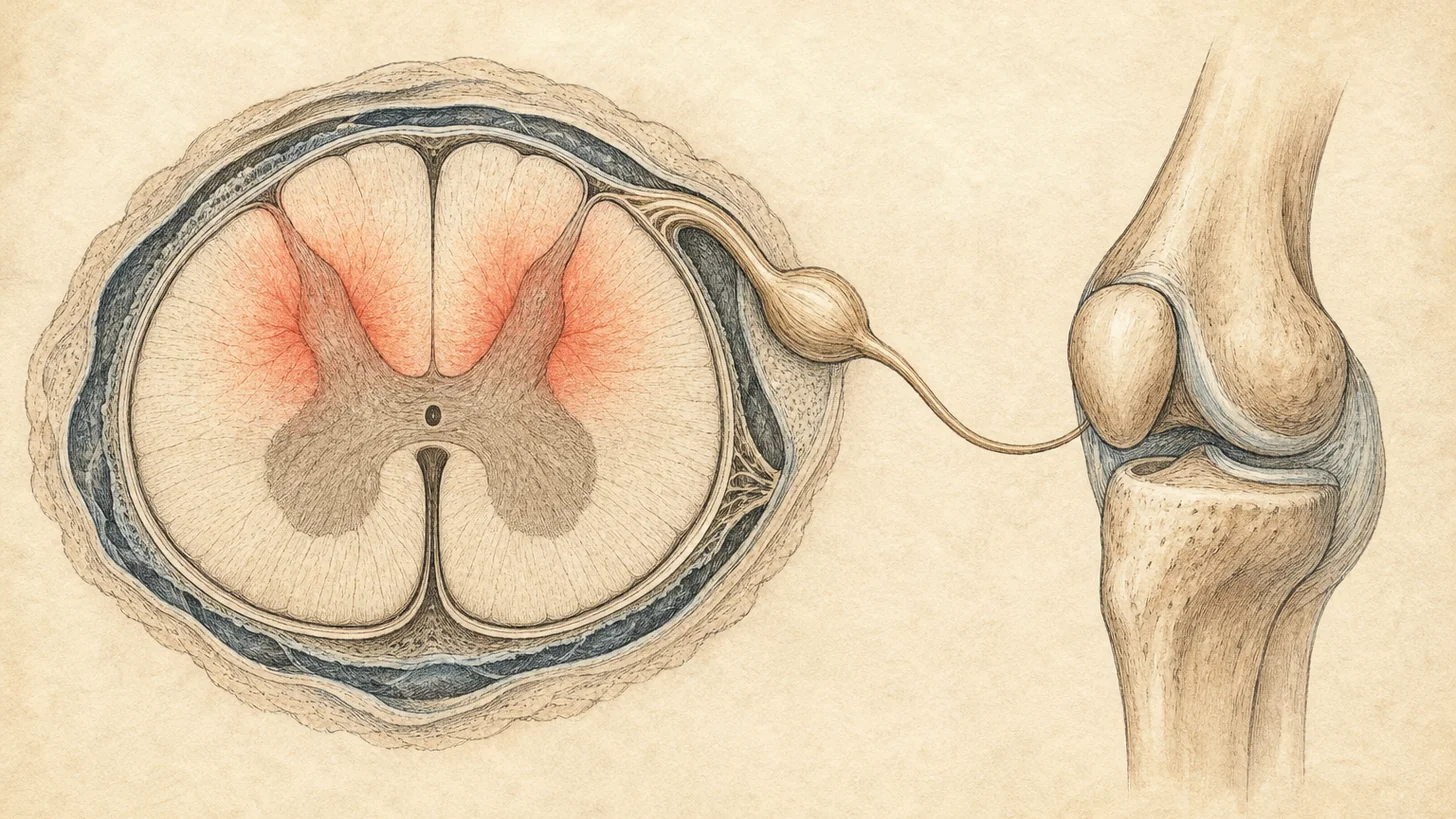
The genicular nerves are small branches that carry pain from the joint lining and capsule. Radiofrequency ablation heats a few of them with a needle placed under image guidance, so the pain signal from the joint is quieted for months. It does not change the joint itself. Most trials treat three nerves, on the upper inner, upper outer and lower inner sides of the knee.
The evidence is real but mixed:
- Against a sham procedure, the clearest benefit is in the first three months. In the first sham-controlled trial, 10 of 17 treated patients had at least half their pain gone at 12 weeks (Choi 2011). A 2025 meta-analysis of 25 trials of genicular nerve procedures found that RFA relieved pain more than sham at 4 and 12 weeks but not at 24 or 48 weeks, rated the evidence low to very low certainty, and advised against routine use (Almeida 2025). A 2026 meta-analysis of eight sham-controlled trials reached a more favorable conclusion, with better pain at 12 weeks and better function (Barreto 2026).
- Against a single injection, two industry-sponsored trials found larger and longer relief with cooled RFA. At six months, 74% had at least half their pain gone after RFA against 16% after one cortisone injection (Davis 2018), and 71% against 38% after one gel injection (Chen 2020).
- Across 28 studies of people with knee arthritis or pain after knee surgery, about half still had at least half their pain gone at six months, and about four in ten at a year (Kanjanapanang 2026).
The American College of Rheumatology recommends RFA conditionally for knee arthritis (Kolasinski 2020). In practice, it is most useful for people whose pain keeps returning after injections, who want to delay a replacement, or who are not good surgical candidates. Most insurers require a diagnostic numbing block first, although in the one randomized trial that tested the block, it did not improve the chance that RFA would work (McCormick 2018). The procedure, its risks and the recovery are on the genicular nerve RFA page.
When it’s time to talk about a knee replacement
A replacement is the right answer for severe pain that limits walking and sleep most days despite a genuine nonsurgical trial, in someone healthy enough for surgery. It is not a failure of the nonsurgical plan.
The best trial on the question randomized 100 people who were eligible for a replacement. After a year, those who had surgery improved about twice as much on a combined pain and function score as those treated without surgery (32.5 against 16.0 points), but had four times as many serious adverse events (24 against 6). And 74% of the nonsurgical group had not had a replacement by the end of that year (Skou 2015). About 93% of total knee replacements are still in place at 15 years and 82% at 25 years, while partial replacements fail sooner (Evans 2019).
Arthroscopy is rarely the answer for an arthritic knee. Washing out or “cleaning up” the joint is not recommended (Brophy 2022). Trimming a torn meniscus did no better than physical therapy at 6 and 12 months in people with a tear and mild to moderate arthritis, although 30% of the therapy group went on to have the surgery (Katz 2013). In people with a degenerative tear and no arthritis, it did no better than sham surgery (Sihvonen 2013). Dr. Movshis refers to orthopedic surgeons in New York City when a replacement is the better answer.
When knee pain is an emergency
Call 911 or go to the nearest emergency room for:
- A hot, red, swollen knee. A joint infection can destroy cartilage within days. Fever is absent in about four in ten people with an infected joint (Margaretten 2007), so do not wait for one. The risk is higher with a knee replacement, diabetes, rheumatoid arthritis or recent joint surgery (Margaretten 2007).
- A swollen, painful calf with knee pain. A ruptured Baker’s cyst can look exactly like a blood clot, and a clot has to be ruled out with an ultrasound.
- Being unable to bear weight after a fall. That raises the question of a fracture.
What knee arthritis care costs
Most commercial PPO plans cover the consultation, cortisone injections and genicular nerve procedures, including Aetna, Anthem Blue Cross Blue Shield, Cigna, Empire Blue Cross Blue Shield, the Empire Plan, Oscar, Oxford, UMR and UnitedHealthcare. When a plan requires prior authorization, our office submits it after the consultation. Gel coverage varies by plan, and most insurers do not cover PRP. Modal Pain Management does not accept Medicare, Medicaid, HMO plans, or workers’ compensation. You can verify your insurance before the visit.
Self-pay prices are flat and include the physician fee, the image guidance and the medication:
- New-patient consultation: $250
- Image-guided knee cortisone injection: $700
- PRP injection: $1,000
- Genicular nerve radiofrequency ablation: $1,000
HSA and FSA cards are accepted, and payment plans are available through Cherry. Every price is on the self-pay pricing page.
The first visit
The consultation takes 45–60 minutes and may include an ultrasound exam. Bring your X-ray or MRI images and a list of what you have tried, including any injections and how long they helped. Dr. Movshis takes the history and examines both knees, your hips and your back. If you have no recent standing X-ray, one is ordered. You leave with a diagnosis and a written plan. When an injection makes sense, it is usually scheduled within one to two weeks in the same office. If you are not sure the problem is your knee, the Pain Self-Assessment takes the history a pain physician takes and gives you a summary to bring to any doctor.
References
- Altman R, Asch E, Bloch D, et al. Development of criteria for the classification and reporting of osteoarthritis. Classification of osteoarthritis of the knee. Arthritis Rheum. 1986;29(8):1039–1049. doi:10.1002/art.1780290816 · PubMed
- Bedson J, Croft PR. The discordance between clinical and radiographic knee osteoarthritis: a systematic search and summary of the literature. BMC Musculoskelet Disord. 2008;9:116. doi:10.1186/1471-2474-9-116 · PubMed
- Duncan RC, Hay EM, Saklatvala J, Croft PR. Prevalence of radiographic osteoarthritis — it all depends on your point of view. Rheumatology (Oxford). 2006;45(6):757–760. doi:10.1093/rheumatology/kei270 · PubMed
- Englund M, Guermazi A, Gale D, et al. Incidental meniscal findings on knee MRI in middle-aged and elderly persons. N Engl J Med. 2008;359(11):1108–1115. doi:10.1056/NEJMoa0800777 · PubMed
- Kolasinski SL, Neogi T, Hochberg MC, et al. 2019 American College of Rheumatology/Arthritis Foundation Guideline for the Management of Osteoarthritis of the Hand, Hip, and Knee. Arthritis Rheumatol. 2020;72(2):220–233. doi:10.1002/art.41142 · PubMed
- Brophy RH, Fillingham YA. AAOS Clinical Practice Guideline Summary: Management of Osteoarthritis of the Knee (Nonarthroplasty), Third Edition. J Am Acad Orthop Surg. 2022;30(9):e721–e729. doi:10.5435/JAAOS-D-21-01233 · PubMed
- Fransen M, McConnell S, Harmer AR, et al. Exercise for osteoarthritis of the knee. Cochrane Database Syst Rev. 2015;1:CD004376. doi:10.1002/14651858.CD004376.pub3 · PubMed
- Messier SP, Gutekunst DJ, Davis C, DeVita P. Weight loss reduces knee-joint loads in overweight and obese older adults with knee osteoarthritis. Arthritis Rheum. 2005;52(7):2026–2032. doi:10.1002/art.21139 · PubMed
- Kutzner I, Heinlein B, Graichen F, et al. Loading of the knee joint during activities of daily living measured in vivo in five subjects. J Biomech. 2010;43(11):2164–2173. doi:10.1016/j.jbiomech.2010.03.046 · PubMed
- Messier SP, Mihalko SL, Legault C, et al. Effects of intensive diet and exercise on knee joint loads, inflammation, and clinical outcomes among overweight and obese adults with knee osteoarthritis: the IDEA randomized clinical trial. JAMA. 2013;310(12):1263–1273. doi:10.1001/jama.2013.277669 · PubMed
- Hunter DJ, Beavers DP, Eckstein F, et al. The Intensive Diet and Exercise for Arthritis (IDEA) trial: 18-month radiographic and MRI outcomes. Osteoarthritis Cartilage. 2015;23(7):1090–1098. doi:10.1016/j.joca.2015.03.034 · PubMed
- Bliddal H, Bays H, Czernichow S, et al. Once-Weekly Semaglutide in Persons with Obesity and Knee Osteoarthritis. N Engl J Med. 2024;391(17):1573–1583. doi:10.1056/NEJMoa2403664 · PubMed
- Kasitinon D, Williams R, Peraka V, Özçakar L, Jain NB. Accuracy and Efficacy of Intra-articular Knee Injections/Aspirations Under Ultrasound Versus Landmark Guidance: A Systematic Review. Am J Phys Med Rehabil. 2026;105(1):1–11. doi:10.1097/PHM.0000000000002803 · PubMed
- Jüni P, Hari R, Rutjes AW, et al. Intra-articular corticosteroid for knee osteoarthritis. Cochrane Database Syst Rev. 2015;2015(10):CD005328. doi:10.1002/14651858.CD005328.pub3 · PubMed
- McAlindon TE, LaValley MP, Harvey WF, et al. Effect of Intra-articular Triamcinolone vs Saline on Knee Cartilage Volume and Pain in Patients With Knee Osteoarthritis: A Randomized Clinical Trial. JAMA. 2017;317(19):1967–1975. doi:10.1001/jama.2017.5283 · PubMed
- Bannuru RR, Natov NS, Obadan IE, et al. Therapeutic trajectory of hyaluronic acid versus corticosteroids in the treatment of knee osteoarthritis: a systematic review and meta-analysis. Arthritis Rheum. 2009;61(12):1704–1711. doi:10.1002/art.24925 · PubMed
- Rutjes AW, Jüni P, da Costa BR, et al. Viscosupplementation for osteoarthritis of the knee: a systematic review and meta-analysis. Ann Intern Med. 2012;157(3):180–191. doi:10.7326/0003-4819-157-3-201208070-00473 · PubMed
- Filardo G, Previtali D, Napoli F, et al. PRP Injections for the Treatment of Knee Osteoarthritis: A Meta-Analysis of Randomized Controlled Trials. Cartilage. 2021;13(1_suppl):364S–375S. doi:10.1177/1947603520931170 · PubMed
- Belk JW, Kraeutler MJ, Houck DA, et al. Platelet-Rich Plasma Versus Hyaluronic Acid for Knee Osteoarthritis: A Systematic Review and Meta-analysis of Randomized Controlled Trials. Am J Sports Med. 2021;49(1):249–260. doi:10.1177/0363546520909397 · PubMed
- Bennell KL, Paterson KL, Metcalf BR, et al. Effect of Intra-articular Platelet-Rich Plasma vs Placebo Injection on Pain and Medial Tibial Cartilage Volume in Patients With Knee Osteoarthritis: The RESTORE Randomized Clinical Trial. JAMA. 2021;326(20):2021–2030. doi:10.1001/jama.2021.19415 · PubMed
- Choi WJ, Hwang SJ, Song JG, et al. Radiofrequency treatment relieves chronic knee osteoarthritis pain: a double-blind randomized controlled trial. Pain. 2011;152(3):481–487. doi:10.1016/j.pain.2010.09.029 · PubMed
- Almeida M, Saragiotto BT, Hunter DJ, et al. Efficacy and safety of minimally invasive interventions targeting the genicular nerves for knee osteoarthritis: A meta-analysis. Osteoarthritis Cartilage. 2025;33(5):535–547. doi:10.1016/j.joca.2025.02.780 · PubMed
- Barreto RB, Barreto AJ, do Nascimento ALM, Carvalho DMB, Queiroz B. Efficacy and safety of genicular nerve ablation techniques for knee osteoarthritis: a systematic review and meta-analysis of sham-controlled randomized trials. Pain Med. 2026;27(4):449–461. doi:10.1093/pm/pnaf140 · PubMed
- Davis T, Loudermilk E, DePalma M, et al. Prospective, Multicenter, Randomized, Crossover Clinical Trial Comparing the Safety and Effectiveness of Cooled Radiofrequency Ablation With Corticosteroid Injection in the Management of Knee Pain From Osteoarthritis. Reg Anesth Pain Med. 2018;43(1):84–91. doi:10.1097/AAP.0000000000000690 · PubMed
- Chen AF, Khalouf F, Zora K, et al. Cooled Radiofrequency Ablation Compared with a Single Injection of Hyaluronic Acid for Chronic Knee Pain: A Multicenter, Randomized Clinical Trial Demonstrating Greater Efficacy and Equivalent Safety for Cooled Radiofrequency Ablation. J Bone Joint Surg Am. 2020;102(17):1501–1510. doi:10.2106/JBJS.19.00935 · PubMed
- Kanjanapanang N, Madrid R, Lin P, et al. Effectiveness of genicular nerve radiofrequency ablation in osteoarthritis and post-surgical knee pain: systematic review. Pain Med. 2026;27(2):189–208. doi:10.1093/pm/pnaf115 · PubMed
- McCormick ZL, Reddy R, Korn M, et al. A Prospective Randomized Trial of Prognostic Genicular Nerve Blocks to Determine the Predictive Value for the Outcome of Cooled Radiofrequency Ablation for Chronic Knee Pain Due to Osteoarthritis. Pain Med. 2018;19(8):1628–1638. doi:10.1093/pm/pnx286 · PubMed
- Skou ST, Roos EM, Laursen MB, et al. A Randomized, Controlled Trial of Total Knee Replacement. N Engl J Med. 2015;373(17):1597–1606. doi:10.1056/NEJMoa1505467 · PubMed
- Evans JT, Walker RW, Evans JP, et al. How long does a knee replacement last? A systematic review and meta-analysis of case series and national registry reports with more than 15 years of follow-up. Lancet. 2019;393(10172):655–663. doi:10.1016/S0140-6736(18)32531-5 · PubMed
- Katz JN, Brophy RH, Chaisson CE, et al. Surgery versus physical therapy for a meniscal tear and osteoarthritis. N Engl J Med. 2013;368(18):1675–1684. doi:10.1056/NEJMoa1301408 · PubMed
- Sihvonen R, Paavola M, Malmivaara A, et al. Arthroscopic partial meniscectomy versus sham surgery for a degenerative meniscal tear. N Engl J Med. 2013;369(26):2515–2524. doi:10.1056/NEJMoa1305189 · PubMed
- Margaretten ME, Kohlwes J, Moore D, Bent S. Does this adult patient have septic arthritis? JAMA. 2007;297(13):1478–1488. doi:10.1001/jama.297.13.1478 · PubMed