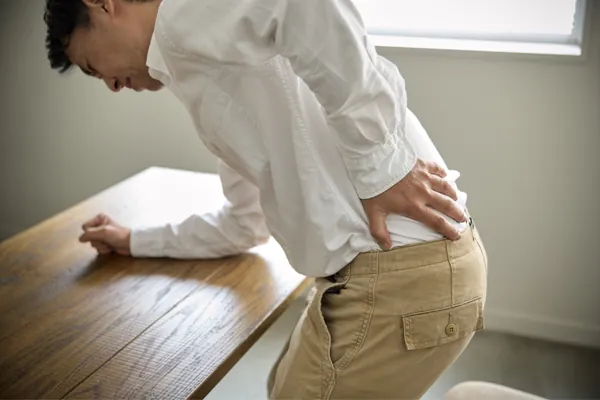
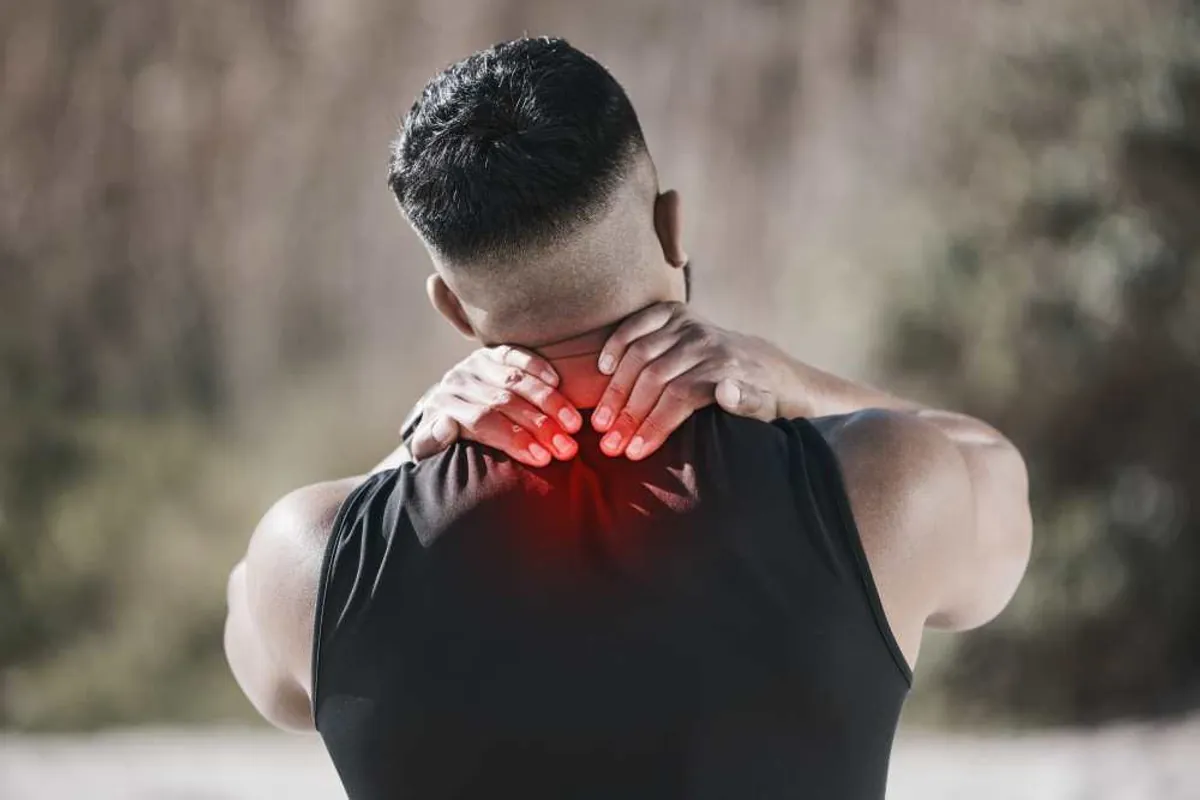
Scar tissue pain is a common but often overlooked consequence of surgery, trauma, or significant injury that can persist for months or years after the initial event has healed. Patients seeking relief from debilitating scar tissue pain have access to advanced interventional pain management at Modal Pain Management located at 369 Lexington Avenue, Floor 25. Under the expert care of Dr. Alex Movshis and our specialized team, we offer non-surgical solutions tailored to address the underlying mechanisms of scar tissue pain. When fibrous tissue forms during the healing process, it can compress nearby nerves, create restrictive adhesions that limit movement, and trigger chronic pain that significantly impacts daily function and quality of life. Scar tissue pain differs from typical healing discomfort because it persists long after the wound has closed, affecting your ability to work, exercise, sleep, and enjoy normal activities. Understanding the causes and treatment options available is the first step toward reclaiming your mobility and freedom from chronic pain.
How Scar Tissue Causes Pain
Scar tissue formation is a natural part of healing, but problems arise when the fibrous tissue becomes overly dense, contracts excessively, or forms in areas with numerous nerve endings and blood vessels. One primary mechanism is nerve entrapment, where scar tissue grows around or infiltrates nearby nerves, creating constant irritation and neuropathic pain that patients often describe as burning, tingling, or electrical sensations. The scar tissue can also form adhesions, which are abnormal connections between tissues that should move freely relative to each other. These adhesions restrict the gliding motion of muscles, tendons, and fascia, causing pain during movement and progressively limiting your range of motion. Additionally, scar tissue often contains nerve endings and inflammatory cells that remain hypersensitive long after the initial injury heals. This hypersensitivity means that normal touch or movement can trigger disproportionate pain responses. The tissue may also have reduced blood supply compared to healthy tissue, which slows healing and perpetuates inflammation. As scar tissue continues to mature and contract over weeks and months, the pain can actually worsen rather than improve, making early intervention critically important for achieving optimal outcomes.
Common Sources of Scar Tissue Pain
Scar tissue pain develops most frequently following post-surgical procedures where incisions and tissue trauma trigger the scarring response. Abdominal surgery, including appendectomy, hernia repair, and gynecological procedures, commonly results in significant adhesions that cause pain and sometimes bowel obstruction. Cesarean section deliveries represent another major source of scar tissue pain in women, with adhesions potentially affecting fertility, sexuality, and long-term core strength. Orthopedic surgeries involving joint replacement, arthroscopy, or rotator cuff repair often leave patients with restricted mobility and nerve-related pain from scarring around the surgical site. Beyond surgery, significant traumatic injuries—including burns, lacerations, or crush injuries—create extensive scar tissue that causes prolonged pain. Post-injury scarring from motor vehicle accidents, sports injuries, or workplace trauma can develop similarly problematic adhesions and nerve involvement. Some patients experience pain from older scars that suddenly become symptomatic years or even decades after the original injury, often triggered by new trauma, inflammation, or changes in activity level. Burn scars deserve special mention because the severe tissue damage and contracture that occurs can significantly restrict movement and cause intense pain during function and rehabilitation.
Diagnosis and Assessment
Accurate diagnosis of scar tissue pain requires a thorough physical examination combined with a detailed history of the initial injury or surgery. During your evaluation, Dr. Alex Movshis will carefully examine the scar, assess the surrounding tissue mobility, and perform tests to identify nerve involvement and movement restrictions. Palpation of the scar and surrounding tissue helps identify areas of greatest sensitivity and adhesion formation. Advanced imaging such as ultrasound can visualize scar tissue density, fluid collections, and involvement of underlying structures that may contribute to pain. In some cases, additional imaging like MRI helps rule out other conditions and confirm that scar tissue is the primary pain generator. We assess functional limitations through movement testing and ask detailed questions about pain triggers, patterns, and how the condition affects your work, exercise, and daily activities. Understanding the specific structures involved and mechanisms driving your pain is essential for selecting the most effective treatment approach for your individual situation.
Treatment Options
Our comprehensive non-surgical approach to scar tissue pain includes multiple evidence-based interventional techniques. Targeted nerve blocks interrupt pain signals from the affected area, providing relief that allows patients to participate more fully in physical therapy and rehabilitation. Trigger point injections using local anesthetic and anti-inflammatory medications reduce muscle tension and pain from myofascial involvement. Scar desensitization through specialized physical therapy techniques help retrain the nervous system to reduce hypersensitivity and improve tissue mobility. Steroid injections around affected nerves and tissues reduce inflammation that perpetuates pain signals. Radiofrequency ablation can provide longer-lasting pain relief by interrupting specific nerve pathways that transmit pain from the scar tissue region. Physical therapy focusing on scar tissue mobility, muscle strengthening, and functional retraining remains a cornerstone of recovery, and our treatments are coordinated with skilled physical therapists to maximize outcomes. This multimodal approach addresses both the structural problems created by scar tissue and the sensitized nervous system response that maintains chronic pain.
What to Expect
When you begin treatment for scar tissue pain, initial relief may come quickly from well-placed injections, though the degree and duration varies among patients. Some patients experience significant improvement within days, while others require a series of treatments spaced over several weeks to achieve optimal results. Physical therapy begins early in your treatment course to capitalize on pain relief and systematically restore tissue mobility and function. Your treatment plan is personalized based on the location and severity of your scarring, the structures involved, and your specific functional goals. Follow-up appointments allow us to assess your progress, adjust treatments as needed, and ensure you’re moving steadily toward recovery. Most patients can resume normal activities gradually as their pain decreases, though high-impact exercise and strenuous activity may need to be phased in carefully.
Recovery and Outlook
The prognosis for scar tissue pain is quite favorable with early, appropriate intervention. Many patients achieve significant pain relief and functional improvement within several weeks to a few months of treatment. Long-term success depends on consistent participation in physical therapy, which addresses the underlying tissue restrictions and prevents scar tissue from re-adhering. While some scars remain permanently, the pain associated with them can be eliminated through our specialized treatments. Preventive measures including ongoing gentle mobility work and addressing any new inflammation early help maintain your gains. For those rare cases where non-surgical interventions reach their limits, we maintain strong relationships with specialized surgeons who can offer surgical scar revision when appropriate. Most importantly, modern pain management offers hope and effective solutions for what was once considered an untreatable chronic pain problem.