Muscle spasms — those sudden, involuntary contractions that can range from mildly annoying to severely painful — affect people of all ages and activity levels. Understanding what causes them and knowing your treatment options can help you find relief and prevent recurrence.
What Are Muscle Spasms?
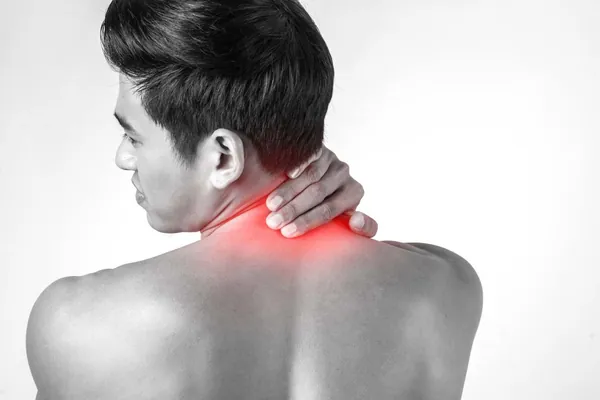
Muscle spasms are involuntary contractions of one or more muscles that can last from a few seconds to several minutes. They can occur in any muscle but most commonly affect the back, neck, legs, and shoulders. While occasional spasms are usually harmless, frequent or severe episodes may indicate an underlying condition that needs professional attention.
Common Causes
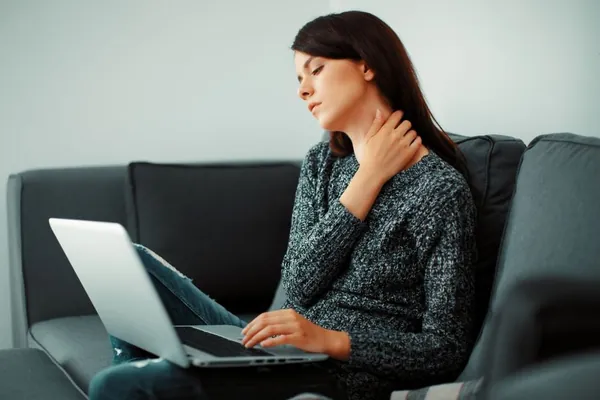
Muscle spasms result from a variety of factors. Dehydration reduces your muscles’ ability to function properly and increases susceptibility to cramping. Electrolyte imbalances — particularly low levels of potassium, magnesium, or calcium — impair normal muscle contraction and relaxation. Overuse from exercise, repetitive work, or sustained postures fatigues muscles and triggers protective spasming. Poor posture places chronic, abnormal stress on certain muscle groups. Psychological stress causes unconscious muscle tension that can escalate to spasms. Direct injuries to muscles or surrounding structures can trigger protective spasming. Underlying conditions like nerve compression, arthritis, or fibromyalgia may also contribute.
Why Muscle Spasms Should Not Be Ignored
Persistent spasms that go untreated can lead to chronic pain patterns, reduced mobility and range of motion, sleep disruption, progressive muscle weakness from guarding and disuse, and increased risk of further injury. What starts as an occasional nuisance can develop into a significant quality-of-life issue if the underlying cause isn’t addressed.
Effective Treatment Options
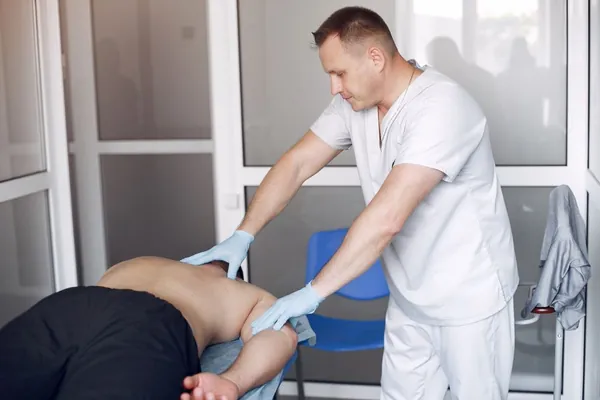
At Modal Pain, we offer a comprehensive range of treatments for muscle spasms. Physical therapy addresses muscle imbalances, improves flexibility, and strengthens stabilizing muscles. Trigger point injections deliver medication directly into persistent muscle knots to release tension and break the spasm cycle. Massage therapy promotes muscle relaxation and improved circulation. Medication management may include muscle relaxants or anti-inflammatory drugs for acute episodes. Lifestyle modifications address contributing factors like posture, hydration, and stress. For complex or recurrent cases, advanced pain management techniques may be appropriate.
Preventing Muscle Spasms
Prevention strategies include staying well-hydrated throughout the day, maintaining adequate electrolyte intake, stretching regularly — especially before and after physical activity, progressively increasing exercise intensity rather than overloading muscles, practicing good posture during work and daily activities, managing stress through regular exercise and relaxation techniques, and ensuring adequate rest and recovery between intense activities.
When to See a Specialist
Consult a specialist if your spasms are frequent or severe, last for extended periods, are accompanied by numbness, tingling, or weakness, follow an injury, or interfere with your daily activities and sleep.