Regenerative medicine represents a paradigm shift in pain management — moving beyond simply blocking or masking pain signals to actually repairing damaged tissues and restoring function. As research advances, several promising approaches are transforming how we treat chronic musculoskeletal conditions.
Stem Cell Therapy
Mesenchymal stem cells (MSCs) have the remarkable ability to differentiate into various tissue types, making them powerful tools for tissue repair. In pain management applications, stem cells are being used to treat damaged cartilage in osteoarthritic joints, support healing in tendon and ligament injuries, reduce chronic inflammation, and promote regeneration of degenerated disc tissue. While research is ongoing and regulatory frameworks continue to evolve, stem cell therapy shows significant promise for conditions that previously had limited treatment options.
Platelet-Rich Plasma (PRP) Therapy
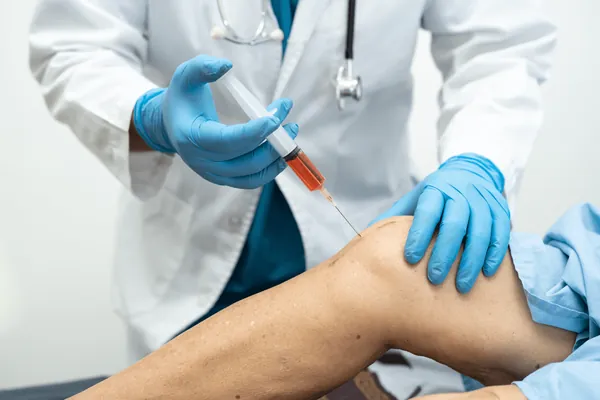
PRP has become one of the most established regenerative approaches in clinical practice. By concentrating your blood’s own growth factors and delivering them to injured tissue, PRP accelerates natural repair processes. Current evidence supports its use in osteoarthritis — particularly of the knee — as well as tendinopathies, muscle injuries, and certain ligament conditions. The technique continues to be refined with improved preparation protocols and more targeted delivery methods.
Exosome Therapy
Exosomes are tiny cellular vesicles that carry signaling molecules between cells, playing a key role in cell-to-cell communication. In regenerative medicine, exosome therapy delivers concentrated anti-inflammatory and regenerative signals to damaged tissues. This emerging approach offers the potential for enhanced tissue repair without the complexity of live cell therapies.
Prolotherapy
Prolotherapy involves injecting a natural irritant solution — typically dextrose (sugar water) — into damaged ligaments or tendons to stimulate the body’s healing response. The controlled irritation triggers an inflammatory cascade that promotes new tissue growth and strengthening. Prolotherapy has shown effectiveness for chronic musculoskeletal pain, joint instability, and ligament laxity.
NAD+ IV Therapy and Cellular Repair
NAD+ (nicotinamide adenine dinucleotide) plays a fundamental role in cellular energy production and DNA repair — processes that are central to tissue recovery and regeneration. As NAD+ levels naturally decline with age and chronic stress, replenishing them through NAD+ IV therapy may support the body’s own regenerative capacity. While distinct from direct tissue-repair therapies like PRP and stem cells, NAD+ infusions complement regenerative strategies by optimizing the cellular environment in which healing occurs.
Gene Therapy and Biologic Advances
Looking further ahead, gene therapy approaches targeting specific pain and inflammation pathways offer the possibility of truly personalized pain management. These emerging technologies may eventually enable precise modification of pain signaling at the genetic level, offering non-opioid alternatives for chronic pain conditions.
Personalized Regenerative Medicine at Modal Pain
At Modal Pain Management NYC, we evaluate each patient individually to determine which regenerative approach — or combination of approaches — is most appropriate for their specific condition. Whether you’re dealing with back pain, joint pain, sports injuries, or chronic musculoskeletal conditions, Dr. Movshis combines regenerative therapies with proven interventional treatments like epidural steroid injections, nerve blocks, and radiofrequency ablation to provide lasting pain relief and improved function.