When chronic back pain interferes with your daily life, finding the right back pain doctor 10017 becomes a priority. Whether you’re dealing with persistent lower back pain, sciatica, or spine-related discomfort, understanding what to expect during your first visit to a pain management specialist can help ease anxiety and ensure you’re prepared for effective treatment.
The Midtown East area of Manhattan offers access to some of the most qualified interventional pain management specialists in the country. Your first consultation with a back pain specialist is a crucial step toward understanding your condition and developing a personalized treatment plan that addresses your specific needs.
Understanding Your Back Pain: Common Causes and Symptoms
Back pain affects millions of Americans and can stem from various underlying conditions. Before your first visit, it’s helpful to understand the most common causes your doctor will evaluate:
Structural Issues
Herniated or bulging discs are among the most frequent culprits of chronic back pain. These conditions occur when the soft tissue between vertebrae pushes out of place, potentially compressing nearby nerves and causing radiating pain.
Spinal stenosis, a narrowing of the spinal canal, commonly affects older adults and can cause both back pain and leg symptoms. Degenerative disc disease, while a natural part of aging, can become symptomatic and require professional management.
Muscular and Soft Tissue Problems
Muscle strains and ligament sprains can cause acute or chronic back pain, especially when they don’t heal properly. Myofascial pain syndrome involves trigger points in muscles that refer pain to other areas of the back and body.
Fibromyalgia, while affecting the entire body, often manifests with significant back pain and tender points that require specialized pain management approaches.
Preparing for Your First Visit with a Back Pain Doctor 10017
Proper preparation can maximize the effectiveness of your initial consultation with an interventional pain management specialist. Your doctor will need comprehensive information to develop an accurate diagnosis and treatment plan.
Medical History Documentation
Compile a detailed list of your symptoms, including when they started, what makes them better or worse, and how they impact your daily activities. Note any previous injuries, surgeries, or treatments you’ve tried for your back pain.
Bring a complete list of current medications, including over-the-counter pain relievers, supplements, and any prescription drugs. Include dosages and frequency of use, as this information helps your doctor understand what treatments you’ve already attempted.
Imaging and Test Results
If you have recent MRI scans, X-rays, CT scans, or other diagnostic imaging, bring copies or ensure they’re available electronically. These images provide crucial insight into the structural aspects of your spine and can prevent the need for duplicate testing.
Laboratory results, previous physician notes, and physical therapy records also contribute to a comprehensive understanding of your condition and treatment history.
What Happens During Your Initial Consultation
Your first visit to a spine specialist Manhattan typically involves several key components designed to thoroughly evaluate your condition and determine the most appropriate treatment approach.
Comprehensive Medical Interview
Your pain management specialist will conduct an in-depth discussion about your symptoms, including the nature, location, and intensity of your pain. They’ll ask about activities that worsen or improve your symptoms and how pain affects your sleep, work, and recreational activities.
The doctor will review your medical history, including any family history of spine problems, previous surgeries, and other medical conditions that might contribute to your back pain. This conversation helps establish the timeline and progression of your condition.
Physical Examination
A thorough physical examination focuses on your spine, posture, and movement patterns. Your doctor will assess your range of motion, muscle strength, and reflexes to identify areas of dysfunction or neurological involvement.
Specific orthopedic and neurological tests help pinpoint the source of your pain and determine whether nerve compression or other structural problems are contributing to your symptoms. The examination also evaluates your gait and overall functional capacity.
Review of Imaging Studies
If you have existing imaging studies, your doctor will review them during your visit, explaining the findings and how they relate to your symptoms. If additional imaging is needed, they’ll discuss the reasons and what information the new studies will provide.
Understanding your imaging results helps you become an active participant in your treatment decisions and provides insight into the structural aspects of your condition.
Treatment Options Your Doctor May Discuss
Modern interventional pain management offers numerous treatment options for chronic back pain treatment, ranging from conservative approaches to advanced minimally invasive procedures.
Conservative Treatments
Your doctor may recommend starting with conservative approaches, including targeted physical therapy, specific exercises, and activity modifications. These treatments often form the foundation of comprehensive pain management.
Medications might include anti-inflammatory drugs, muscle relaxants, or neuropathic pain medications, depending on your specific condition and symptoms. Your doctor will explain the benefits and potential side effects of any recommended medications.
Interventional Procedures
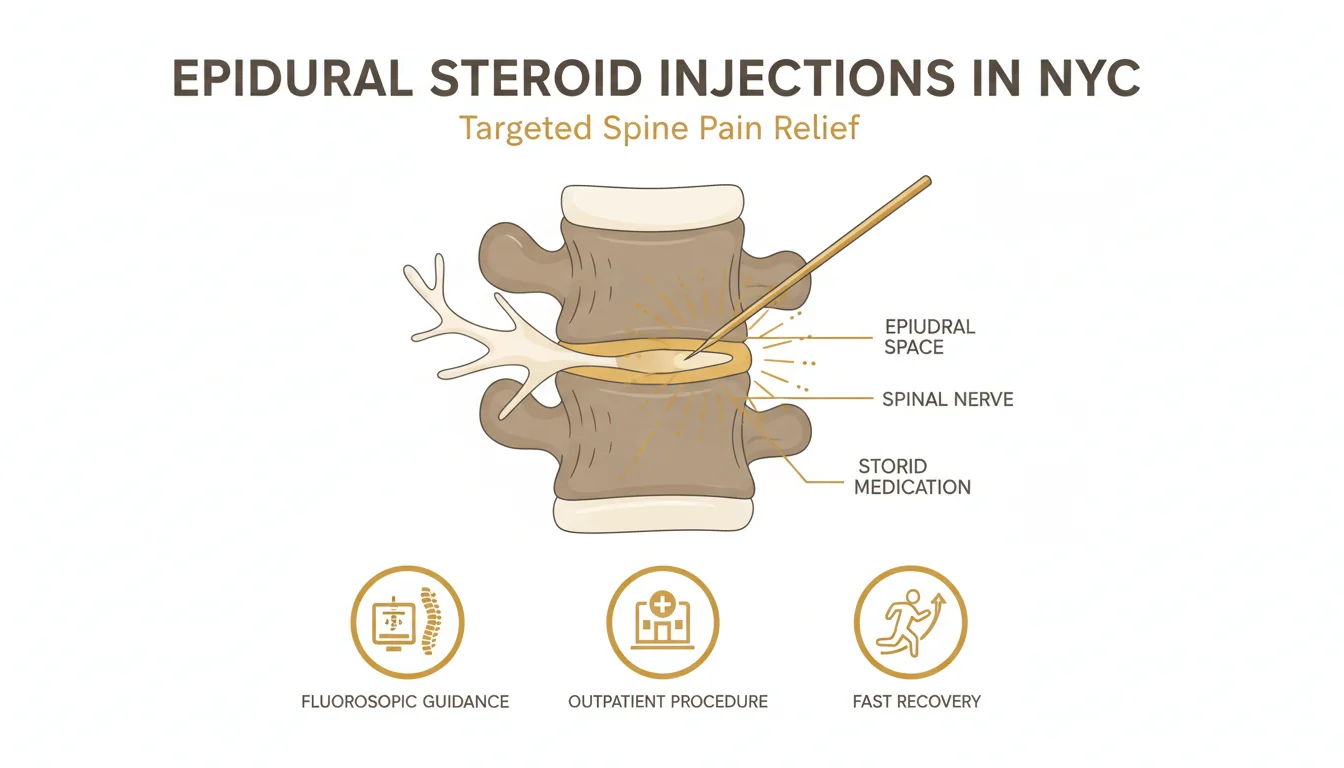
When conservative treatments aren’t sufficient, interventional procedures can provide significant relief. Epidural steroid injections are commonly used to reduce inflammation around compressed nerves and can provide months of pain relief.
Other procedures might include facet joint injections, nerve blocks, or radiofrequency ablation, depending on the specific source of your pain. These minimally invasive treatments are typically performed on an outpatient basis with minimal downtime.
Questions to Ask Your Pain Management Specialist
Coming prepared with questions ensures you get the most from your consultation and understand your treatment options fully.
About Your Diagnosis
Ask your doctor to explain your diagnosis in terms you can understand, including what’s causing your pain and how the condition typically progresses. Understanding the underlying problem helps you make informed decisions about treatment.
Inquire about factors that might worsen your condition and what you can do to prevent progression or flare-ups of your back pain.
Treatment Expectations
Discuss realistic expectations for pain relief and functional improvement with different treatment options. Ask about the timeline for seeing results and what constitutes successful treatment for your specific condition.
Understanding the risks, benefits, and alternatives for recommended treatments helps you make confident decisions about your care.
When to See a Specialist for Your Back Pain
Certain symptoms and situations warrant evaluation by an experienced interventional pain management specialist rather than continuing with general medical care alone.
Red Flag Symptoms
Severe back pain accompanied by fever, unexplained weight loss, or bowel and bladder dysfunction requires immediate specialist evaluation. These symptoms can indicate serious underlying conditions that need prompt treatment.
Progressive weakness in your legs, numbness in the saddle area, or pain that’s getting worse despite treatment are also indicators for specialist consultation.
Chronic Pain That Impacts Quality of Life
If your back pain has persisted for more than three months despite conservative treatment, or if it significantly limits your ability to work, sleep, or enjoy activities, it’s time to see a pain management specialist.
Recurring episodes of severe back pain that interfere with your daily life also benefit from specialist evaluation and treatment.
Follow-Up Care and Long-Term Management
Effective back pain management often requires ongoing care and periodic reassessment to ensure treatments remain effective and appropriate for your changing needs.
Monitoring Treatment Response
Your pain management specialist will schedule follow-up appointments to monitor your response to treatment and make adjustments as needed. This ongoing relationship is crucial for achieving optimal long-term results.
Keep a pain diary between visits to track your symptoms, functional improvements, and any side effects from treatments. This information helps your doctor fine-tune your treatment plan.
Preventing Future Problems
Your doctor will provide guidance on lifestyle modifications, ergonomic improvements, and exercises that can help prevent future back problems or reduce the risk of symptom recurrence.
Understanding proper body mechanics, maintaining a healthy weight, and staying active within your limitations are key components of long-term back health.
Expert Pain Management in Manhattan’s Midtown East
For residents seeking specialized care from a qualified back pain doctor 10017, Modal Pain Management NYC offers comprehensive evaluation and treatment in a convenient Midtown East location. Dr. Alex Movshis, MD, brings dual board certification in anesthesiology and interventional pain management, along with training from the prestigious Icahn School of Medicine at Mount Sinai.
This combination of specialized training and experience ensures that patients receive the most current, evidence-based treatments for their back pain conditions. The practice’s approach emphasizes thorough evaluation, personalized treatment plans, and ongoing support to help patients achieve their pain relief and functional goals.
Located at 369 Lexington Avenue on the 25th floor, the practice provides easy access for patients throughout Manhattan and the surrounding areas, making it convenient to receive consistent, high-quality pain management care.
If you’re struggling with chronic back pain and ready to explore comprehensive treatment options, don’t let pain continue to limit your life. Modal Pain Management NYC, led by Dr. Alex Movshis, offers the expertise and personalized care you need to get back to the activities you enjoy. Call (646) 290-6660 or visit modalpain.com/contact to schedule your consultation and take the first step toward effective pain relief.
Frequently Asked Questions
Bring a complete list of current medications, any recent imaging studies (MRI, X-rays, CT scans), previous medical records related to your back pain, insurance cards, and a detailed history of your symptoms including when they started and what makes them better or worse.
A comprehensive initial consultation usually takes 45-60 minutes. This includes time for medical history review, physical examination, discussion of imaging studies, treatment options explanation, and answering your questions about your condition and care plan.
Consider seeing a pain management specialist if your back pain has lasted more than 3 months despite treatment, significantly impacts your daily activities, includes neurological symptoms like numbness or weakness, or if you have red flag symptoms such as fever, unexplained weight loss, or bowel/bladder dysfunction.