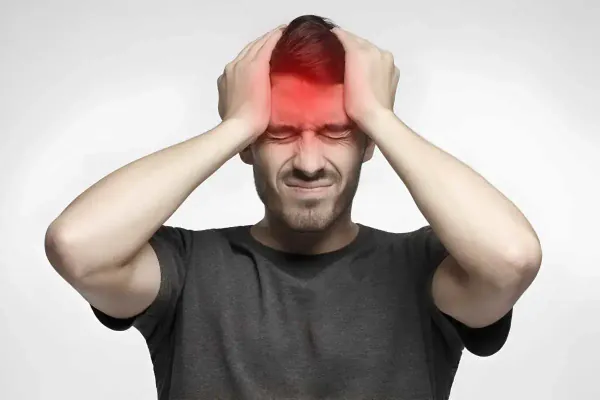
Cervicogenic headaches are among the most underdiagnosed types of headaches, often mistaken for migraines or tension headaches. What makes them unique is their origin — rather than starting in the brain or its surrounding blood vessels, cervicogenic headaches originate from problems in the cervical spine.
What Do Cervicogenic Headaches Feel Like?
Cervicogenic headaches typically produce a dull, aching, or pressure-like pain that begins in the neck and radiates toward one side of the head. The pain often travels from the base of the skull to the forehead, temple, or around the eye. Unlike migraines, the pain is usually steady rather than throbbing, and it’s frequently accompanied by neck stiffness and reduced range of motion. Shoulder and upper back tension commonly accompany these headaches.
What Is the Root Cause?
The underlying mechanism involves pain signals originating from irritated or dysfunctional structures in the cervical spine that the brain misinterprets as head pain. This can result from arthritis in the cervical facet joints, herniated or degenerated discs in the upper neck, chronic muscular tension and trigger points, poor posture habits that stress the cervical spine, or previous injuries such as whiplash.
How Do You Treat a Cervicogenic Headache?
Because the source of pain is in the neck, effective treatment must target cervical structures rather than just managing head pain symptoms. Physical therapy addresses muscle imbalances and postural dysfunction contributing to cervical irritation. Medial branch blocks can diagnose and treat facet joint involvement by numbing the specific nerves carrying pain signals. Radiofrequency ablation provides longer-lasting relief for confirmed facet joint sources. Trigger point injections release muscular tension that contributes to cervical nerve irritation. Customized IV therapies support overall pain management and recovery.
Migraine vs. Cervicogenic Headache
Distinguishing between these conditions is crucial for effective treatment. Cervicogenic headaches typically start in the neck and radiate to the head, worsen with neck movement, and produce steady rather than throbbing pain. Migraines are neurological in origin, often produce pulsating unilateral pain, and are commonly accompanied by nausea and light sensitivity. A thorough diagnostic evaluation — including physical examination and potentially diagnostic nerve blocks — can differentiate between the two.
When to Seek Medical Help
Persistent headaches that begin in the neck, worsen with head movement, or don’t respond to typical headache treatments warrant specialist evaluation. Early treatment of the underlying cervical condition can prevent worsening and provide lasting relief.
Find Relief at Modal Pain
Our specialists in Midtown Manhattan have extensive experience diagnosing and treating cervicogenic headaches using minimally invasive, precision-guided interventional techniques that target the cervical source of your pain.