If you’re struggling with chronic back pain, leg pain, or nerve-related discomfort, an epidural steroid injection NYC treatment might offer the relief you’ve been seeking. This minimally invasive procedure has helped thousands of patients in Manhattan and throughout New York City manage their pain effectively and return to their daily activities.
Epidural steroid injections represent one of the most effective non-surgical treatments available for various spine-related conditions. When performed by experienced interventional pain management specialists, these procedures can provide significant pain relief and improved quality of life for patients dealing with herniated discs, spinal stenosis, and other conditions affecting the spine.
What Are Epidural Steroid Injections?
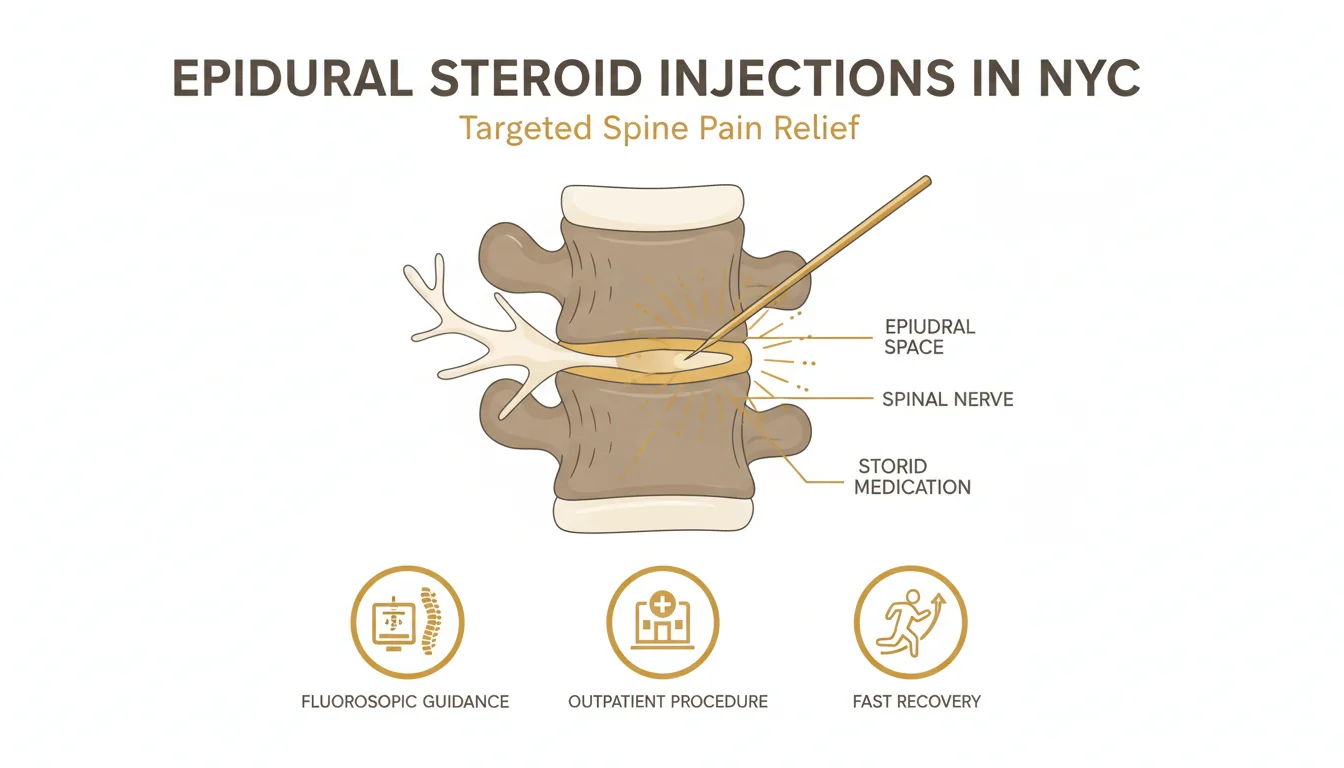
Epidural steroid injections are targeted treatments that deliver anti-inflammatory medication directly into the epidural space surrounding your spinal cord and nerve roots. This space, located between the protective dura mater and the vertebral wall, is where inflammation often occurs due to various spinal conditions.
The procedure involves injecting a combination of corticosteroids and sometimes local anesthetics into this precise location. The corticosteroids work to reduce inflammation and swelling around irritated nerve roots, while the anesthetic provides immediate pain relief.
Unlike oral medications that must travel throughout your entire body, epidural injections deliver medication directly to the source of your pain. This targeted approach allows for higher concentrations of anti-inflammatory medication at the problem site while minimizing systemic side effects.
Types of Epidural Steroid Injections
There are three main approaches for epidural steroid injections, each designed to target specific areas of the spine:
Lumbar Epidural Injections
These target the lower back region and are commonly used to treat conditions affecting the lumbar spine. Lumbar epidural injections are particularly effective for patients experiencing lower back pain that radiates into the legs, commonly known as sciatica.
Cervical Epidural Injections
Cervical epidural injections focus on the neck region of the spine. These are typically recommended for patients with neck pain that may radiate into the shoulders, arms, or hands due to cervical disc herniation or spinal stenosis.
Thoracic Epidural Injections
Less common than lumbar or cervical injections, thoracic epidural injections target the middle portion of the spine. These may be recommended for patients with mid-back pain or certain types of chest wall pain.
Conditions Treated with Epidural Steroid Injection NYC
Epidural steroid injections can effectively treat a wide range of spine-related conditions that cause chronic pain:
Herniated Discs
When the soft inner material of a spinal disc pushes through its outer wall, it can compress nearby nerve roots. Epidural injections help reduce the inflammation around these compressed nerves, providing significant pain relief.
Spinal Stenosis
This condition involves narrowing of the spinal canal, which can put pressure on the spinal cord and nerve roots. The anti-inflammatory effects of epidural steroid injections can help reduce swelling and improve space within the spinal canal.
Sciatica
Characterized by pain that travels from the lower back down through the legs, sciatica often responds well to epidural steroid injections. The treatment targets the inflamed nerve roots that cause this distinctive pain pattern.
Degenerative Disc Disease
As spinal discs naturally wear down over time, they can cause inflammation and pain. Epidural injections help manage the inflammatory component of this condition.
Radiculopathy
This condition involves irritation or compression of nerve roots as they exit the spinal column. Epidural steroid injections can effectively reduce the inflammation causing nerve root irritation.
The Procedure: What to Expect
Understanding what happens during an epidural steroid injection can help alleviate anxiety and ensure you’re properly prepared for the treatment.
Pre-Procedure Preparation
Before your injection, you’ll have a consultation with your pain management specialist to review your medical history, current medications, and treatment goals. You may need to temporarily discontinue certain medications, particularly blood thinners, before the procedure.
Most patients can eat a light meal before the procedure, but you should follow your doctor’s specific instructions. Arrange for someone to drive you home afterward, as you may experience temporary numbness or weakness.
During the Procedure
The procedure typically takes 15-30 minutes and is performed in an outpatient setting. You’ll lie face down on an examination table, and the injection site will be cleaned and sterilized.
Your doctor will use fluoroscopic guidance (real-time X-ray) to ensure precise needle placement. A local anesthetic will numb the injection site before the epidural needle is carefully inserted into the epidural space.
Once proper positioning is confirmed, the steroid medication is slowly injected. You may feel pressure or mild discomfort during the injection, but the procedure is generally well-tolerated.
Post-Procedure Recovery
After the injection, you’ll be monitored for 15-30 minutes to ensure there are no immediate complications. Most patients can return home the same day and resume normal activities within 24-48 hours.
Some patients experience immediate pain relief due to the local anesthetic, while others may notice gradual improvement over the following days to weeks as the steroid takes effect.
Benefits and Effectiveness
Epidural steroid injections offer numerous advantages for patients dealing with spine-related pain:
- Non-surgical treatment option that may help you avoid more invasive procedures
- Targeted delivery of medication directly to the source of pain and inflammation
- Minimal downtime compared to surgical interventions
- Can provide pain relief lasting several months
- May improve your ability to participate in physical therapy and rehabilitation
- Reduced need for oral pain medications and their associated side effects
Studies show that epidural steroid injections provide significant pain relief for 60-80% of patients, with many experiencing improvement in both pain levels and functional capacity. The duration of relief varies among individuals but typically lasts 3-6 months.
Potential Risks and Side Effects
While epidural steroid injections are generally safe when performed by qualified specialists, it’s important to understand potential risks and side effects:
Common Side Effects
- Temporary increase in pain for 1-2 days following the injection
- Mild soreness at the injection site
- Temporary headache
- Slight elevation in blood sugar levels (particularly relevant for diabetic patients)
- Facial flushing or feeling of warmth
Rare but Serious Complications
- Infection at the injection site or in the epidural space
- Bleeding or hematoma formation
- Nerve damage (extremely rare when performed by experienced specialists)
- Allergic reaction to medications
- Temporary weakness in the legs
These serious complications occur in less than 1% of procedures when performed by board-certified pain management specialists using proper sterile technique and fluoroscopic guidance.
Recovery and Aftercare
Proper post-procedure care is essential for optimal results and to minimize the risk of complications:
Immediate Post-Procedure (First 24 Hours)
- Rest and avoid strenuous activities
- Apply ice to the injection site if there’s soreness
- Monitor for any unusual symptoms
- Take prescribed medications as directed
- Avoid driving if you experience numbness or weakness
First Week Following Injection
- Gradually return to normal activities
- Continue to avoid heavy lifting or vigorous exercise
- Keep the injection site clean and dry
- Follow up with your pain management specialist as scheduled
Long-term Management
Many patients benefit from combining epidural steroid injections with other treatments such as physical therapy, exercise programs, or lifestyle modifications. Your pain management specialist will work with you to develop a comprehensive treatment plan tailored to your specific needs.
Who Is a Candidate for Epidural Steroid Injections?
Ideal candidates for epidural steroid injections typically have:
- Chronic back pain lasting more than 6 weeks
- Pain that radiates into the arms or legs
- Confirmed diagnosis of disc herniation, spinal stenosis, or other spine-related conditions
- Limited response to conservative treatments like rest, physical therapy, or oral medications
- Desire to avoid or delay surgical intervention
- Overall good health with no contraindications to the procedure
Contraindications
Certain conditions may make epidural steroid injections inadvisable:
- Active infection, particularly near the injection site
- Bleeding disorders or use of blood-thinning medications
- Pregnancy
- Severe spinal deformities that make safe injection difficult
- Allergy to contrast dye or steroid medications
When to See a Specialist
If you’re experiencing persistent back pain, neck pain, or radiating pain that interferes with your daily activities, it may be time to consult with an interventional pain management specialist. Consider seeking professional evaluation if:
- Your pain has lasted more than six weeks despite conservative treatment
- You experience numbness, tingling, or weakness in your arms or legs
- Pain medications are becoming less effective or causing unwanted side effects
- Your quality of life is significantly impacted by chronic pain
- You want to explore non-surgical treatment options before considering surgery
Early intervention with appropriate pain management techniques can prevent chronic pain from worsening and help you maintain an active, fulfilling lifestyle.
Choosing the Right Provider in NYC
When considering an epidural steroid injection NYC treatment, selecting the right provider is crucial for both safety and effectiveness. Look for:
- Board certification in anesthesiology and interventional pain management
- Extensive experience performing epidural injections
- Use of fluoroscopic guidance for all procedures
- Comprehensive evaluation and personalized treatment planning
- Modern, accredited facilities
- Positive patient reviews and outcomes
The expertise of your pain management specialist significantly impacts both the safety and success of your treatment. Experienced providers can accurately diagnose the source of your pain and determine whether epidural steroid injections are the most appropriate treatment option for your specific condition.
Get Expert Epidural Steroid Injection Treatment
Don’t let chronic pain control your life. If you’re considering an epidural steroid injection NYC treatment, Modal Pain Management offers the expertise and personalized care you deserve. Dr. Alex Movshis, MD, is a dual board-certified anesthesiologist and interventional pain management specialist trained at the prestigious Icahn School of Medicine at Mount Sinai.
Dr. Movshis combines advanced medical training with a compassionate approach to help patients achieve lasting pain relief. Using state-of-the-art techniques and fluoroscopic guidance, he ensures the safest and most effective treatment possible.
Take the first step toward reclaiming your life from chronic pain. Contact Modal Pain Management today at (646) 290-6660 or visit our contact page to schedule your consultation and learn how epidural steroid injections can help you return to the activities you love.
Frequently Asked Questions
Epidural steroid injections typically provide pain relief for 3-6 months, though individual results may vary. Some patients experience longer-lasting relief, while others may need repeat injections sooner. The duration depends on factors like the underlying condition, severity of symptoms, and individual response to treatment.
Most patients report minimal discomfort during epidural steroid injections. The procedure involves a local anesthetic to numb the injection site, and fluoroscopic guidance ensures precise needle placement. You may feel pressure or mild discomfort during the injection, but the procedure is generally well-tolerated.
Most pain management specialists recommend limiting epidural steroid injections to 3-4 per year to minimize potential side effects from repeated steroid exposure. The exact number depends on your individual condition, response to treatment, and overall health status. Your doctor will determine the appropriate frequency based on your specific needs.