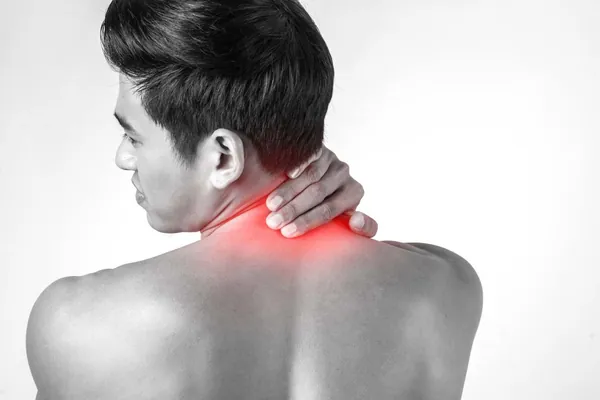
Chronic neck pain affects millions of people worldwide and can significantly impact daily life, work productivity, sleep quality, and overall wellbeing. Unlike acute neck pain that resolves within days or weeks, chronic neck pain persists for extended periods and often signals an underlying structural or functional issue. Identifying the root cause is essential for effective, targeted treatment. This comprehensive guide explores the ten most common causes of persistent neck discomfort, their symptoms, diagnostic approaches, and evidence-based treatment options.
1. Poor Posture
Poor posture is the leading cause of chronic neck pain in our modern screen-dominated world. Forward head posture — extremely common during desk work, smartphone use, and prolonged driving — places excessive and prolonged strain on cervical muscles, ligaments, and joints. For every inch your head moves forward from neutral alignment, the effective load on your neck increases by approximately 10 pounds, creating sustained stress on the posterior chain muscles. Over time, this postural misalignment causes adaptive shortening of anterior neck muscles and lengthening and weakening of posterior muscles, perpetuating a painful cycle. Symptoms typically include a dull, aching pain at the base of the skull, between the shoulder blades, and neck stiffness that worsens throughout the day. Diagnosis involves postural assessment and often lateral cervical X-rays to evaluate spinal alignment. Treatment focuses on postural correction through ergonomic modifications, neck strengthening exercises, and physical therapy to restore proper cervical alignment.
2. Muscle Strain
Repetitive activities, awkward sleeping positions, sustained static postures, and sudden movements overwork neck muscles, leading to chronic strain that persists well beyond the initial injury. Unlike acute muscle pulls that heal quickly through normal inflammatory healing, chronic muscle strain involves ongoing microtrauma that keeps tissue in a perpetual state of inflammation, tension, and dysfunction. The levator scapulae, upper trapezius, and sternocleidomastoid muscles are particularly vulnerable to chronic strain from daily activities. Symptoms include localized muscle tightness, dull aching pain, and reduced range of motion, often accompanied by muscle knots or tender points that worsen with movement. Palpation and movement testing confirm diagnosis, and imaging is typically unnecessary unless other pathology is suspected. Treatment includes rest, therapeutic stretching, physical therapy, ergonomic modifications, and trigger point injections to alleviate muscle-related pain and restore function.
3. Cervical Degenerative Disc Disease
Cervical degenerative disc disease (CDDD) is a progressive condition where the intervertebral discs that cushion the cervical vertebrae gradually lose hydration, elasticity, and structural integrity over time. As discs dehydrate and collapse with age and use, they lose their shock-absorbing capacity and disc height narrows, causing vertebrae to move closer together. This degeneration can trigger bone spur formation, reduce the space available for nerves, and increase stress on adjacent facet joints, perpetuating further degeneration. Symptoms include neck stiffness (especially in the morning), chronic aching pain, and reduced range of motion that often worsens with repetitive neck movements or sustained postures. Cervical spine X-rays and MRI confirm diagnosis by revealing disc space narrowing, dehydration, and osteophyte formation. While degenerative disc disease cannot be reversed, progression can be slowed and symptoms managed through physical therapy, anti-inflammatory treatments, epidural steroid injections, and lifestyle modifications that reduce repetitive stress on the spine.
4. Herniated Disc
A herniated or prolapsed cervical disc occurs when the outer fibrous ring (annulus fibrosus) weakens or tears, allowing the inner nucleus pulposus material to bulge outward into the spinal canal or neural foramina. When this herniated material compresses nearby nerve roots, it produces not only local neck pain but also potentially sharp, burning, radiating pain, numbness, tingling, or weakness extending into the shoulders, arms, or hands. The specific location of symptoms depends on which nerve root is compressed, with C5 and C6 levels being the most commonly affected. Diagnosis requires MRI to visualize the disc herniation and confirm nerve root compression, often correlated with clinical examination findings. Treatment approaches range from conservative management with physical therapy and anti-inflammatory medications to more advanced interventions like nerve blocks, epidural steroid injections, or in some cases, surgical decompression if symptoms are severe or progressive.
5. Arthritis in the Neck
Osteoarthritis of the cervical spine is a degenerative joint condition where protective cartilage covering the facet joints gradually breaks down, causing inflammation, pain, stiffness, and loss of mobility. The cervical facet joints, located between vertebrae, are particularly susceptible to arthritic changes because of the constant movement and load-bearing they endure. Cervical arthritis becomes progressively more common with age and is frequently accompanied by bone spur (osteophyte) formation that further narrows the spaces available for nerve roots and blood vessels. Symptoms include localized neck pain and stiffness that typically worsen in the morning or after prolonged static positioning, sometimes radiating to the shoulders. Diagnosis combines clinical assessment with cervical X-rays or MRI showing joint space narrowing, osteophytes, and cartilage loss. Management includes physical therapy to maintain mobility and strength, anti-inflammatory medications, activity modification, and when conservative measures are insufficient, interventions like radiofrequency ablation to reduce pain signals from affected facet joints.
6. Pinched Nerve
A pinched or compressed cervical nerve root occurs when surrounding structures — including herniated discs, bone spurs, narrowed foramina, or inflamed ligaments — compress the nerve as it exits the spinal canal. This compression interrupts normal nerve function and produces distinctive radiating symptoms that follow the distribution of the affected nerve root. Symptoms typically include sharp, shooting, or burning pain radiating from the neck down the shoulder and arm, often accompanied by numbness, tingling, weakness in specific muscle groups, or difficulty with fine motor tasks. The pattern and distribution of symptoms help clinicians identify which specific nerve root is compressed. EMG/NCS testing and imaging studies like MRI or CT confirm the diagnosis by demonstrating the site of compression. Treatment depends on severity and progression, ranging from conservative care with physical therapy and medications to nerve blocks, epidural steroid injections, and in some cases, decompressive surgery if neurological symptoms progress or fail to improve.
7. Whiplash and Injuries
Whiplash is a sudden, forceful hyperextension-hyperflexion injury of the cervical spine that can occur from car accidents, falls, sports collisions, or other traumatic events. The rapid acceleration-deceleration mechanism causes stretching and tearing of cervical muscles, ligaments, and other soft tissues, damaging the delicate structures that support and stabilize the neck. Injury severity ranges from mild muscle strain to severe ligamentous damage and even fractures, though serious fractures may not always be immediately apparent. Whiplash symptoms may not manifest immediately after injury but often develop over hours to days as inflammation increases, making it important to seek evaluation even after seemingly minor impacts. Symptoms include neck pain and stiffness, headaches, reduced range of motion, and sometimes radiating arm pain or neurological symptoms if nerve roots are involved. X-rays or MRI confirm diagnosis and rule out fractures or significant structural damage. Proper treatment in the acute phase, including controlled movement and physical therapy, helps prevent progression to chronic post-whiplash syndrome and long-term disability.
8. Stress and Tension
Chronic psychological stress triggers sustained muscle tension in the neck, shoulders, and upper back through both neurological and biomechanical mechanisms. During stress, the body activates the fight-or-flight response, causing persistent contraction of muscles, particularly the upper trapezius and levator scapulae. Over time, this ongoing muscular tightness and bracing creates local fatigue, triggers trigger points, restricts blood flow to muscles, and accumulates metabolic waste products, perpetuating pain. Stress-induced muscle tension can develop into chronic myofascial pain syndrome, where pain persists even after the original stressor resolves. Symptoms include diffuse neck and shoulder tightness and aching, often worse at the end of the work day, sometimes accompanied by tension headaches, jaw clenching, and sleep disturbances. Diagnosis is primarily clinical, based on history, physical examination, and observed correlation between stress levels and symptom escalation. Management requires a multi-faceted approach including stress reduction techniques, physical therapy, regular exercise, ergonomic optimization, and sometimes psychological counseling or mindfulness-based interventions to break the stress-tension cycle.
9. Spinal Stenosis
Cervical spinal stenosis is narrowing of the spinal canal in the neck region, reducing available space for the spinal cord and nerve roots. Multiple factors can contribute to stenosis, including disc herniation, osteophytes, thickened ligaments, facet joint arthritis, or ligamentous hypertrophy. This progressive narrowing puts direct pressure on the spinal cord and nerve roots, potentially compromising their blood supply and neural function. Symptoms vary depending on severity and may include localized neck pain, radiating arm pain, numbness and tingling in the arms or hands, weakness, clumsiness or loss of fine motor control, and in advanced cases, balance and gait disturbances or even lower extremity weakness suggesting myelopathy. MRI is the gold standard for diagnosis, showing the degree of canal narrowing and spinal cord compression. Treatment approaches range from conservative management with physical therapy, activity modification, and anti-inflammatory medications for mild stenosis, to epidural steroid injections, nerve blocks, and decompressive surgery when symptoms are severe, progressive, or cause myelopathic changes.
10. Medical Conditions
Less commonly, systemic medical conditions cause chronic neck pain and require specialized evaluation and management. Fibromyalgia, a widespread pain syndrome, frequently involves cervical pain along with generalized musculoskeletal pain and fatigue. Rheumatoid arthritis, an autoimmune inflammatory disease, can affect cervical facet joints and cause severe pain and instability, particularly at the atlantoaxial joint. Infections, including discitis or meningitis, produce acute to subacute neck pain with systemic symptoms. Malignancies originating in the cervical spine or metastatic disease spreading to cervical vertebrae cause progressive, often severe pain. Less common conditions include Ankylosing Spondylitis, affecting the cervical spine with progressive fusion and stiffness; thyroid disorders causing referred neck pain; and temporomandibular joint dysfunction radiating to the neck. These conditions are typically accompanied by other systemic symptoms, constitutional signs like fever or weight loss, or distinctive laboratory findings. Diagnosis requires comprehensive medical evaluation including relevant blood work, imaging studies, and sometimes specialist consultation. Management addresses the underlying condition while providing symptomatic relief through appropriate medications and physical therapy.
How Chronic Neck Pain Is Diagnosed
Accurate diagnosis is the foundation for effective treatment. A thorough evaluation begins with a detailed history assessing pain characteristics, onset, aggravating and relieving factors, associated symptoms, and impact on function. Physical examination includes assessment of neck range of motion, palpation for muscle tenderness and trigger points, neurological testing to detect weakness or sensory changes, and special tests to identify specific pathology like nerve root compression or facet joint involvement.
Diagnostic imaging plays a crucial role in identifying structural causes. Cervical X-rays provide information about alignment, disc space height, bone spurs, and gross structural changes. Magnetic Resonance Imaging (MRI) offers superior soft tissue resolution and is the best imaging modality for evaluating discs, spinal cord compression, and nerve root involvement. Computed Tomography (CT) excels at visualizing bone detail and can be particularly useful when MRI is contraindicated.
For suspected nerve root involvement, Electromyography (EMG) and Nerve Conduction Studies (NCS) assess nerve function and help localize the site of compression. Diagnostic injections, such as selective nerve root blocks or facet joint injections, serve dual purposes: they provide both therapeutic benefit and diagnostic confirmation when pain relief follows injection near the suspected pain source. These injections help identify which specific structure is generating pain, guiding subsequent treatment decisions.
Treatment Options for Chronic Neck Pain
Effective treatment for chronic neck pain is individualized and often requires a multi-modal approach combining different therapies based on the underlying cause and severity.
Physical Therapy and Rehabilitation forms the foundation of most treatment plans. Therapeutic exercises address muscle imbalances, improve cervical stability, restore proper posture, and increase range of motion. Physical therapy is particularly effective for posture-related pain, muscle strain, and post-injury rehabilitation.
Medications including nonsteroidal anti-inflammatory drugs (NSAIDs), acetaminophen, muscle relaxants, and sometimes topical agents provide symptomatic relief and reduce inflammation, allowing participation in rehabilitation.
Interventional pain management offers targeted relief when conservative measures provide insufficient benefit. Trigger point injections deliver medication directly into painful muscle knots, providing pain relief and allowing improved muscle function. Nerve blocks anesthetize specific nerves causing pain and can provide diagnostic confirmation of the pain source. Epidural steroid injections deliver anti-inflammatory medication directly to the site of nerve compression, reducing swelling and pain. Radiofrequency ablation uses heat to disable pain-carrying nerves in facet joints, providing long-lasting relief for facet-mediated pain. Neuromodulator injections offer an alternative approach to reduce pain signaling.
Advanced treatments such as cervical epidural steroid injections combined with physical therapy have proven efficacy for nerve root-mediated pain. When conservative and interventional treatments fail to provide adequate relief, or when there is progressive neurological deterioration, surgical options including decompression or fusion may be considered.
Lifestyle and ergonomic modifications are crucial for long-term success. Setting up an ergonomic workspace, taking frequent breaks from static postures, maintaining proper sleep position, and managing work-related stress all contribute to pain reduction and prevent recurrence.
Prevention and Self-Care Strategies
While not all cases of chronic neck pain are preventable, several evidence-based strategies significantly reduce risk and help manage existing pain:
Postural Awareness and Correction is fundamental. Maintain neutral cervical alignment throughout the day, particularly during desk work and phone use. Your ears should sit directly over your shoulders, not jutting forward. Position computer monitors at eye level and arm’s length away to prevent forward head posture.
Ergonomic Workspace Setup minimizes postural strain. Your desk chair should support the natural curves of your spine with feet flat on the floor. Keep frequently used items within easy reach at elbow height. Ensure adequate lighting to prevent leaning forward.
Regular Physical Activity strengthens supporting muscles and improves mobility. Neck-specific exercises, shoulder strengthening, and core stabilization exercises reduce strain on cervical structures. Cardiovascular exercise promotes overall health and stress reduction.
Sleep Optimization prevents nocturnal muscle strain. Sleep on your back with a supportive pillow maintaining neutral alignment, or on your side with adequate shoulder support. Avoid stomach sleeping, which forces excessive neck rotation. Ensure your pillow height and firmness support proper alignment.
Stress Management reduces muscle tension and bracing. Incorporate relaxation techniques like deep breathing, meditation, progressive muscle relaxation, or yoga into your daily routine. Regular exercise also provides stress relief benefits.
Activity Modification prevents injury. Avoid prolonged static postures — change positions frequently throughout the day. Take regular breaks from computer work. Use proper technique for activities like yard work, lifting, and sports.
Stretching and Flexibility maintains range of motion and reduces muscle tightness. Gentle neck stretches, shoulder rolls, and upper back stretches performed daily help prevent stiffness and pain. Avoid aggressive stretching that may irritate irritated tissues.
Hydration and Nutrition support tissue health and healing. Adequate hydration helps maintain disc hydration and supports overall musculoskeletal health. Anti-inflammatory foods may help reduce chronic inflammation.
Avoiding Risk Factors prevents exacerbation. Limit activities that aggravate your pain. Avoid prolonged phone use held to your ear — use speakerphone or earbuds instead. Be cautious with activities increasing fall risk or traumatic injury risk.
When to Seek Professional Care
While many cases of neck pain respond well to self-care, certain warning signs warrant professional evaluation. You should consult a specialist if:
- Pain persists beyond 2-3 weeks despite conservative care
- Pain radiates into your arms or hands with numbness or tingling
- You experience weakness or loss of coordination
- Pain follows trauma or injury
- Pain is progressively worsening or severe
- Pain is accompanied by frequent headaches and migraines
- You develop fever, unexplained weight loss, or night pain
- Conservative treatments have been ineffective
Early professional evaluation ensures accurate diagnosis, prevents progression, and facilitates access to evidence-based treatments including advanced interventions when needed. A specialist can also assess whether your neck pain is related to other conditions like back pain or sciatica that require integrated treatment.
Chronic neck pain significantly impacts quality of life, but with proper diagnosis and targeted treatment, most people achieve substantial improvement. Understanding the underlying cause of your pain is the crucial first step toward effective, lasting relief and restoration of normal function.
Frequently Asked Questions
The most common causes include poor posture from prolonged screen use, cervical degenerative disc disease, osteoarthritis, herniated discs, pinched nerves, muscle strain, whiplash injuries, and spinal stenosis. Less commonly, conditions like fibromyalgia or infections can be responsible. A specialist evaluation with diagnostic imaging can identify the specific cause.
You should see a doctor if your neck pain persists beyond 2-3 weeks, radiates into your arms or shoulders, causes numbness or tingling, is accompanied by weakness, follows an injury, or is associated with frequent headaches. Additionally, if pain is severe, progressively worsening, or affecting your ability to work and enjoy daily activities, professional evaluation is warranted.
Treatment options vary depending on the underlying cause and may include physical therapy, anti-inflammatory medications, and specialist interventions. For more targeted relief, physicians may recommend trigger point injections, nerve blocks, epidural steroid injections, radiofrequency ablation, or neuromodulator injections. A comprehensive evaluation helps determine the best approach for your specific condition.
Yes, neck pain frequently causes headaches in a condition called cervicogenic headache. Poor posture, muscle tension, and cervical spine dysfunction can trigger headaches that originate from the neck. If you experience both neck pain and recurring headaches, addressing the underlying cervical cause often provides relief for both symptoms.
Most chronic neck pain results from muscle strain or postural issues and is not serious, though it significantly impacts quality of life. However, neck pain accompanied by numbness, tingling, weakness, or following significant trauma may indicate nerve compression or spinal cord involvement and requires urgent medical evaluation. Any unexplained or progressively worsening neck pain warrants professional assessment.
The best sleeping position for neck pain is on your back with proper pillow support that maintains neutral cervical alignment, or on your side with adequate shoulder support. Avoid sleeping on your stomach, as it forces your neck into rotation. Your pillow should be firm enough to support your neck but not so thick that it creates excessive flexion or extension.