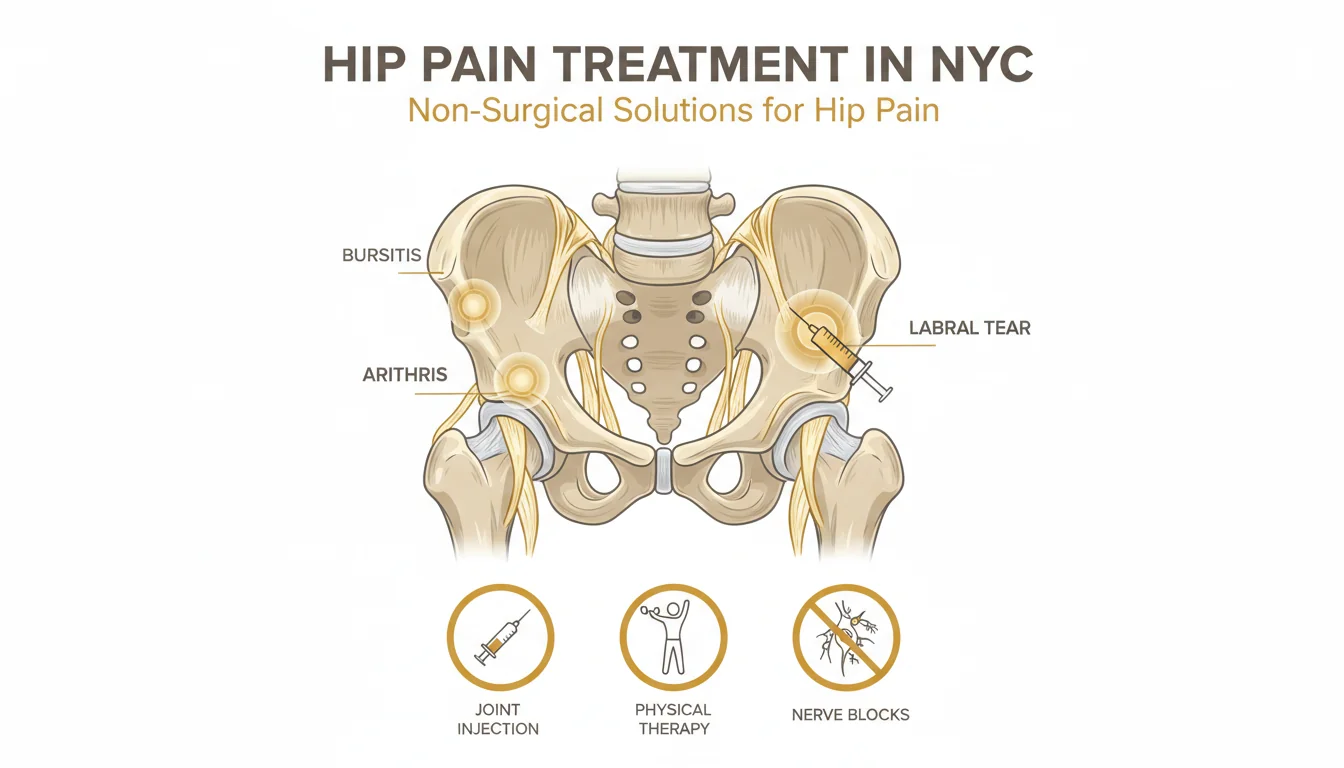
When hip pain begins interfering with your daily activities, finding effective hip pain treatment NYC becomes a priority. Whether you’re experiencing sharp pain when walking up subway stairs or persistent aching that keeps you awake at night, chronic hip pain can significantly impact your quality of life. Understanding when to seek professional help from a pain management specialist can make the difference between ongoing suffering and effective relief.
Hip pain affects millions of Americans, with causes ranging from arthritis and bursitis to muscle strains and nerve compression. While some hip discomfort may resolve with rest and over-the-counter medications, persistent or severe pain often requires specialized medical attention. New York City residents have access to advanced pain management techniques that can provide lasting relief when conservative treatments fall short.
Understanding Common Causes of Hip Pain
Hip pain can originate from various structures within and around the hip joint, making accurate diagnosis crucial for effective treatment. The hip joint is one of the body’s largest weight-bearing joints, consisting of the ball-shaped head of the femur and the cup-shaped acetabulum of the pelvis.
Arthritis and Degenerative Conditions
Osteoarthritis represents the most common cause of chronic hip pain, particularly among adults over 50. This degenerative condition occurs when cartilage within the hip joint gradually wears away, leading to bone-on-bone contact. Symptoms typically include morning stiffness, pain that worsens with activity, and reduced range of motion.
Rheumatoid arthritis, an autoimmune condition, can also affect the hip joint, causing inflammation, swelling, and progressive joint damage. Unlike osteoarthritis, rheumatoid arthritis often affects multiple joints simultaneously and may cause systemic symptoms.
Soft Tissue Injuries and Inflammation
Hip bursitis occurs when the small fluid-filled sacs (bursae) that cushion the hip joint become inflamed. This condition often causes pain on the outside of the hip that may radiate down the thigh. Activities like climbing stairs or lying on the affected side typically worsen the discomfort.
Muscle strains and tendon injuries around the hip can result from overuse, sudden movements, or sports activities. The hip flexors, which help lift the thigh, are particularly susceptible to strain injuries.
Structural Abnormalities
Femoroacetabular impingement (FAI) occurs when the bones of the hip joint don’t fit together properly, causing painful contact during movement. This condition can lead to early arthritis if left untreated.
Labral tears involve damage to the ring of cartilage that surrounds the hip socket. These injuries can cause deep hip pain, clicking sensations, and limited range of motion.
Conservative Hip Pain Treatment Options
Before considering advanced interventional procedures, most healthcare providers recommend starting with conservative treatment approaches. These methods can be effective for mild to moderate hip pain and may help avoid the need for more invasive treatments.
Medication Management
Anti-inflammatory medications, including both over-the-counter and prescription options, can help reduce hip pain and inflammation. Nonsteroidal anti-inflammatory drugs (NSAIDs) like ibuprofen and naproxen are commonly recommended for short-term pain relief.
For patients who cannot tolerate NSAIDs or require additional pain control, other medications such as topical analgesics, muscle relaxants, or prescription pain medications may be appropriate under medical supervision.
Physical Therapy and Exercise
Physical therapy plays a crucial role in hip pain management by strengthening the muscles that support the hip joint and improving flexibility. A skilled physical therapist can design a personalized exercise program that addresses specific movement patterns and muscle imbalances contributing to hip pain.
Low-impact exercises such as swimming, cycling, and walking can help maintain hip mobility while minimizing joint stress. Stretching exercises targeting the hip flexors, IT band, and piriformis muscle can also provide relief.
Activity Modification and Lifestyle Changes
Modifying daily activities to reduce hip stress can significantly impact pain levels. This may include using assistive devices, adjusting sleep positions, or avoiding activities that consistently trigger pain.
Weight management, when appropriate, can reduce the mechanical stress on hip joints, particularly beneficial for individuals with osteoarthritis.
Advanced Hip Pain Treatment NYC: Interventional Options
When conservative treatments fail to provide adequate relief, interventional pain management techniques offer effective alternatives to surgery. These minimally invasive procedures can target specific sources of hip pain with precision.
Hip Joint Injections
Intra-articular hip joint injections deliver anti-inflammatory medications directly into the hip joint space. These procedures can provide both diagnostic information and therapeutic benefit, helping determine if the hip joint itself is the primary source of pain.
The procedure involves using imaging guidance to accurately place a needle into the joint space, followed by injection of corticosteroids and sometimes local anesthetic. Many patients experience significant pain relief that can last several months.
Bursa Injections
For patients with hip bursitis, targeted bursa injections can provide dramatic pain relief. These injections deliver anti-inflammatory medication directly to the inflamed bursa, reducing swelling and pain.
Trochanteric bursa injections are particularly effective for greater trochanteric pain syndrome, a common cause of lateral hip pain that often affects women more than men.
Regenerative Medicine Approaches
Platelet-rich plasma (PRP) therapy represents an innovative approach to hip pain treatment that utilizes the body’s own healing mechanisms. This procedure involves drawing a small amount of the patient’s blood, processing it to concentrate the platelets, and injecting the PRP into damaged hip tissues.
PRP contains growth factors that may promote tissue healing and reduce inflammation. While research is ongoing, many patients report significant improvement in hip pain and function following PRP treatments.
Radiofrequency Ablation
For certain types of hip pain, particularly those originating from specific nerves, radiofrequency ablation can provide long-lasting relief. This procedure uses heat generated by radio waves to interrupt pain signals from targeted nerves.
The procedure is minimally invasive and can provide pain relief lasting six months to two years, making it an attractive option for patients seeking to avoid surgery.
When to See a Hip Pain Specialist
Recognizing when to seek specialized care for hip pain can prevent unnecessary suffering and potentially avoid more invasive treatments later. Several key indicators suggest it’s time to consult a pain management specialist.
Duration and Severity of Symptoms
Hip pain that persists for more than six weeks despite conservative treatment warrants professional evaluation. Additionally, severe pain that significantly limits daily activities or prevents sleep should be assessed promptly.
Pain that progressively worsens over time, rather than improving with rest and basic treatments, often indicates an underlying condition requiring specialized attention.
Functional Limitations
When hip pain begins interfering with work, exercise, or daily activities like walking, climbing stairs, or getting in and out of cars, it’s time to seek expert care. Difficulty with basic movements such as putting on shoes or socks can indicate significant hip joint problems.
Patients who find themselves avoiding activities they previously enjoyed due to hip pain should consider consulting a specialist to explore treatment options that can restore function.
Inadequate Response to Conservative Treatment
If physical therapy, medications, and activity modifications haven’t provided sufficient relief after several weeks, interventional pain management techniques may be necessary. A pain management specialist can evaluate whether you’re a candidate for joint injections or other advanced procedures.
Patients experiencing side effects from medications or those who prefer to minimize long-term medication use may benefit from interventional approaches that target the source of pain directly.
Impact on Quality of Life
Hip pain that affects mood, sleep quality, or overall well-being should not be ignored. Chronic pain can lead to depression, anxiety, and social isolation if left untreated.
When pain begins affecting relationships or causing significant emotional distress, seeking specialized care becomes crucial for both physical and mental health.
What to Expect During Your First Visit
Understanding what happens during your initial consultation with a pain management specialist can help reduce anxiety and ensure you get the most from your appointment.
Comprehensive Medical History
Your specialist will conduct a detailed review of your symptoms, including when the pain started, what makes it better or worse, and how it affects your daily life. Be prepared to discuss previous treatments you’ve tried and their effectiveness.
Information about your medical history, current medications, and any previous surgeries or injuries is crucial for developing an appropriate treatment plan.
Physical Examination
A thorough physical examination will assess your hip range of motion, strength, and areas of tenderness. Your doctor may perform specific tests to identify the source of your pain and rule out other conditions.
The examination may also include assessment of your posture, gait, and how you move, as these factors can contribute to hip pain.
Diagnostic Planning
Based on your history and examination, your specialist may recommend additional testing such as X-rays, MRI, or diagnostic injections to confirm the diagnosis and guide treatment planning.
Understanding the specific cause of your hip pain allows for targeted treatment approaches that are more likely to provide lasting relief.
Choosing the Right Pain Management Specialist
Selecting a qualified pain management specialist is crucial for achieving optimal outcomes. Several factors should guide your decision when seeking hip pain treatment NYC.
Board Certification and Training
Look for physicians who are board-certified in pain medicine or anesthesiology with specialized training in interventional pain management. This ensures they have the expertise to safely perform advanced procedures and manage complex pain conditions.
Fellowship training in pain management indicates additional specialized education beyond residency, providing deeper knowledge of the latest treatment techniques and technologies.
Experience with Hip Conditions
Choose a specialist with significant experience treating joint pain conditions, particularly hip-related problems. Ask about the volume of hip procedures they perform and their success rates with different treatment modalities.
Experience with a variety of treatment options, from conservative approaches to advanced interventional procedures, ensures you’ll receive comprehensive care tailored to your specific needs.
Comprehensive Approach
The best pain management specialists take a multimodal approach to treatment, combining various therapies to achieve optimal results. This may include medication management, interventional procedures, physical therapy coordination, and lifestyle counseling.
A physician who emphasizes patient education and shared decision-making will help ensure you understand your treatment options and feel comfortable with the chosen approach.
Living with Hip Pain: Long-term Management Strategies
Effective hip pain management often requires a long-term approach that combines professional treatment with self-care strategies. Understanding how to maintain hip health can help prevent future problems and maximize treatment benefits.
Maintaining Activity Levels
Staying active within your comfort limits is crucial for hip health. Low-impact activities like swimming, water aerobics, and stationary cycling can maintain fitness while minimizing joint stress.
Regular movement helps maintain hip flexibility and strength while preventing the muscle weakness that can occur with prolonged inactivity.
Weight Management
Maintaining a healthy weight reduces mechanical stress on hip joints, potentially slowing the progression of arthritis and reducing pain levels. Even modest weight loss can provide significant benefits for hip pain sufferers.
Working with healthcare providers to develop a sustainable weight management plan can be an important component of comprehensive hip pain treatment.
Ergonomic Considerations
Making ergonomic adjustments at work and home can reduce hip stress throughout the day. This may include using supportive seating, adjusting desk height, or modifying sleeping surfaces.
Simple changes like using a pillow between the knees while sleeping can significantly impact hip comfort and sleep quality.
The Future of Hip Pain Treatment
Advances in pain management continue to expand treatment options for hip pain sufferers. Emerging therapies and technologies offer hope for even better outcomes in the future.
Regenerative Medicine Advances
Research into stem cell therapy, advanced PRP techniques, and other regenerative approaches continues to show promise for treating hip pain. These therapies focus on promoting natural healing rather than simply masking symptoms.
As our understanding of tissue regeneration improves, these treatments may become even more effective for conditions like arthritis and labral tears.
Minimally Invasive Technologies
Continued refinement of imaging guidance and procedure techniques makes interventional treatments safer and more precise. Advances in needle technology and medication delivery systems improve both comfort and effectiveness.
New approaches to nerve ablation and stimulation offer additional options for patients who don’t respond to traditional treatments.
Taking the Next Step
If you’re struggling with persistent hip pain that’s affecting your quality of life, don’t wait to seek professional help. Early intervention can prevent the progression of certain conditions and may help you avoid more invasive treatments later.
The key to successful hip pain treatment lies in accurate diagnosis and personalized treatment planning. A qualified pain management specialist can help identify the source of your pain and develop a comprehensive treatment approach tailored to your specific needs and goals.
Remember that effective pain management is often a process that may involve trying different approaches to find what works best for you. With patience and the right medical guidance, most people with hip pain can achieve significant improvement in their symptoms and quality of life.
Don’t let hip pain control your life. If conservative treatments haven’t provided the relief you need, it may be time to explore advanced treatment options available through specialized pain management care. The sooner you address your hip pain with appropriate treatment, the better your chances of returning to the activities you enjoy.
For comprehensive hip pain treatment NYC with a focus on personalized, evidence-based care, Modal Pain Management offers advanced interventional pain management services. Dr. Alex Movshis, MD, brings dual board certification in anesthesiology and interventional pain management, along with training from the prestigious Icahn School of Medicine at Mount Sinai. To schedule your consultation and take the first step toward effective hip pain relief, call (646) 290-6660 or visit our contact page to learn more about how we can help restore your mobility and quality of life.
Frequently Asked Questions
You should see a hip pain specialist if your pain persists for more than 6 weeks despite conservative treatment, significantly limits daily activities, prevents sleep, or progressively worsens over time. Additionally, if physical therapy and medications haven't provided adequate relief, a pain management specialist can evaluate you for advanced treatment options like joint injections or regenerative therapies.
NYC offers comprehensive hip pain treatments ranging from conservative approaches like physical therapy and medications to advanced interventional procedures. These include hip joint injections, bursa injections, PRP therapy, and radiofrequency ablation. A qualified pain management specialist can determine which treatments are most appropriate based on your specific condition and symptoms.
Treatment timelines vary depending on the approach used. Joint injections may provide relief within days to weeks and can last several months. PRP therapy may take several weeks to show full benefits. Conservative treatments like physical therapy typically require 6-12 weeks for optimal results. Your pain management specialist will discuss expected timelines based on your specific treatment plan.