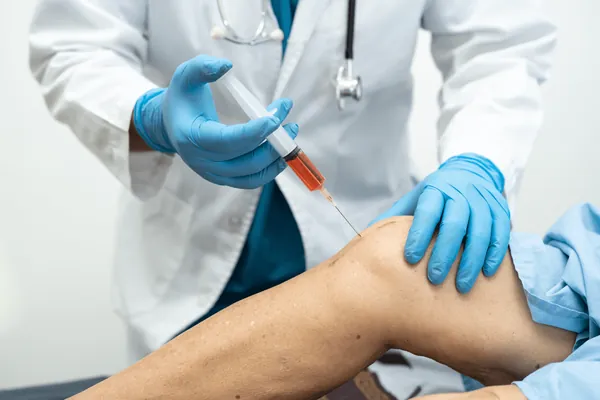
Living with chronic knee pain can significantly impact your quality of life, making simple activities like walking, climbing stairs, or even standing uncomfortable. If you’re searching for effective knee pain treatment NYC options that don’t involve surgery, you’re not alone. Many Manhattan residents are discovering that advanced non-surgical interventions can provide substantial pain relief and improved mobility without the risks and lengthy recovery associated with surgical procedures.
At Modal Pain Management NYC, we specialize in comprehensive, evidence-based approaches to treating knee pain that focus on addressing the root causes rather than simply masking symptoms. Our interventional pain management techniques offer hope for patients who want to avoid surgery while still achieving meaningful, long-lasting relief.
Understanding Knee Pain: Common Causes and Symptoms
Knee pain affects millions of Americans and can stem from various underlying conditions. The knee joint is one of the most complex joints in the human body, consisting of bones, cartilage, ligaments, tendons, and fluid-filled sacs called bursae. When any of these components become damaged or inflamed, pain and dysfunction can result.
Primary Causes of Knee Pain
Osteoarthritis represents the most common cause of chronic knee pain, particularly in individuals over 50. This degenerative condition occurs when the protective cartilage that cushions the knee joint gradually wears away, leading to bone-on-bone contact, inflammation, and pain.
Rheumatoid arthritis is an autoimmune condition that causes chronic inflammation in the knee joint, leading to pain, swelling, and potential joint deformity if left untreated.
Meniscus tears can occur from acute injury or gradual wear over time. The meniscus acts as a shock absorber between the thigh and shin bones, and tears can cause pain, swelling, and mechanical symptoms like catching or locking.
Ligament injuries, including ACL, MCL, and PCL tears, often result from sports activities or trauma and can cause significant pain and instability.
Bursitis occurs when the small fluid-filled sacs that cushion the knee joint become inflamed, typically from overuse or direct trauma to the knee.
Patellofemoral pain syndrome, often called “runner’s knee,” involves pain around the kneecap and is common in athletes and active individuals.
Recognizing Knee Pain Symptoms
Knee pain symptoms can vary significantly depending on the underlying cause. Common presentations include:
- Persistent aching or sharp pain during movement or at rest
- Swelling and inflammation around the joint
- Stiffness, particularly in the morning or after periods of inactivity
- Reduced range of motion and difficulty bending or straightening the knee
- Instability or feeling like the knee might “give way”
- Grinding or popping sensations during movement
- Tenderness to touch around the joint
Advanced Non-Surgical Knee Pain Treatment NYC Options
Modern interventional pain management offers numerous sophisticated alternatives to surgery for treating knee pain. These treatments focus on reducing inflammation, promoting healing, and restoring function while avoiding the complications associated with surgical intervention.
Corticosteroid Injections
Corticosteroid injections remain one of the most effective treatments for inflammatory knee conditions. These powerful anti-inflammatory medications are delivered directly into the joint space or surrounding tissues, providing targeted relief from pain and swelling. The precision injection technique ensures maximum therapeutic benefit while minimizing systemic side effects.
These injections are particularly effective for patients with osteoarthritis, rheumatoid arthritis, and bursitis. The procedure is performed in-office using ultrasound or fluoroscopic guidance to ensure accurate placement of the medication.
Hyaluronic Acid Injections (Viscosupplementation)
Hyaluronic acid injections, also known as viscosupplementation, involve injecting a gel-like substance that naturally occurs in healthy joint fluid. This treatment helps restore the lubricating and shock-absorbing properties of the synovial fluid, reducing friction and pain during movement.
This treatment is especially beneficial for patients with mild to moderate osteoarthritis and can provide relief lasting several months. The injection series typically involves 1-5 injections spaced one week apart, depending on the specific product used.
Platelet-Rich Plasma (PRP) Therapy
Regenerative medicine has revolutionized knee pain treatment, with PRP therapy leading the way in promoting natural healing. This innovative treatment uses the patient’s own blood platelets, which are concentrated and injected into the damaged knee tissues.
PRP contains growth factors and healing proteins that stimulate tissue repair and regeneration. This treatment is particularly effective for tendon injuries, mild arthritis, and meniscus tears. The procedure involves drawing a small amount of blood, processing it to concentrate the platelets, and then injecting the PRP into the affected area under guided imaging.
Radiofrequency Ablation
For patients with chronic knee pain that doesn’t respond to conservative treatments, radiofrequency ablation offers a minimally invasive solution. This procedure uses heat generated by radio waves to interrupt pain signals from specific nerves around the knee joint.
The treatment provides long-lasting relief, often for 6-12 months or longer, and can be repeated if necessary. It’s particularly effective for patients with osteoarthritis-related knee pain who haven’t found adequate relief from other treatments.
Nerve Blocks and Trigger Point Injections
Targeted nerve blocks can provide significant relief for specific types of knee pain. These procedures involve injecting local anesthetic and sometimes anti-inflammatory medications around specific nerves that transmit pain signals from the knee.
Trigger point injections address muscle-related knee pain by targeting tight, painful areas in the muscles surrounding the knee joint. These injections can help break the cycle of muscle spasm and pain that often accompanies chronic knee conditions.
The Benefits of Non-Surgical Knee Treatment
Choosing non-surgical interventional pain management for knee pain offers numerous advantages over traditional surgical approaches.
Reduced Risk and Complications
Non-surgical treatments carry significantly lower risks than surgical procedures. There’s no risk of surgical complications, infections, or adverse reactions to general anesthesia. Most interventional procedures are performed using local anesthesia in an outpatient setting.
Faster Recovery and Return to Activities
Most non-surgical treatments allow patients to return to their normal activities within days rather than months. While some procedures may require brief activity restrictions, the recovery time is minimal compared to surgical alternatives.
Preservation of Natural Joint Structure
Non-surgical treatments work to heal and restore the natural knee joint rather than replacing or significantly altering its structure. This preservation of natural anatomy often leads to better long-term outcomes and maintains future treatment options.
Cost-Effectiveness
Interventional pain management treatments are typically more cost-effective than surgery when considering both direct medical costs and indirect costs such as lost work time and extended rehabilitation.
Comprehensive Treatment Approach
Effective knee pain management often requires a multimodal approach that combines various treatment modalities for optimal results.
Physical Therapy Integration
Physical therapy plays a crucial role in knee pain treatment by strengthening the muscles around the joint, improving flexibility, and teaching proper movement patterns. When combined with interventional procedures, physical therapy can help maintain and enhance treatment benefits.
Activity Modification and Ergonomic Counseling
Understanding how daily activities and work demands affect knee pain is essential for long-term success. Our team provides personalized guidance on activity modification and ergonomic principles to prevent pain recurrence.
Weight Management Support
For patients where excess weight contributes to knee pain, we provide resources and guidance for safe, effective weight management. Reducing the load on knee joints can significantly improve pain levels and treatment outcomes.
Many patients seeking knee pain relief also experience joint pain in other areas, and our comprehensive approach addresses these interconnected issues for better overall outcomes.
When to Consider Professional Treatment
While minor knee discomfort may resolve with rest and over-the-counter treatments, certain symptoms indicate the need for professional evaluation and treatment.
Persistent Pain
Knee pain that persists for more than a few days or continues despite rest and basic home care measures warrants professional assessment. Early intervention often leads to better outcomes and can prevent the progression of underlying conditions.
Impact on Daily Activities
When knee pain begins to interfere with work, exercise, or daily activities like walking, climbing stairs, or getting up from chairs, it’s time to seek professional treatment. Quality of life should not be compromised by treatable knee pain.
Progressive Symptoms
Worsening pain, increasing swelling, or developing new symptoms like instability or mechanical catching requires prompt evaluation to prevent further joint damage.
When to See a Specialist
Recognizing when to seek specialized care is crucial for achieving optimal outcomes in knee pain treatment. While primary care physicians can manage basic knee pain, certain situations require the expertise of an interventional pain management specialist.
Consider consulting a specialist when conservative treatments like rest, ice, over-the-counter medications, and basic physical therapy haven’t provided adequate relief after 4-6 weeks. Additionally, if you’re experiencing severe pain that limits your ability to work or participate in activities you enjoy, specialized intervention may be necessary.
Patients who have been told they need surgery but want to explore non-surgical alternatives should definitely consult with an interventional pain management specialist. Many surgical candidates can achieve excellent results with advanced non-surgical treatments.
The presence of neurological symptoms such as numbness, tingling, or weakness in the leg, or signs of infection like fever, warmth, and significant swelling, require immediate specialist evaluation.
Why Choose Modal Pain Management NYC
Modal Pain Management NYC stands out as a leader in non-surgical knee pain treatment in Manhattan. Our practice combines cutting-edge technology with personalized care to deliver exceptional outcomes for our patients.
Dr. Alex Movshis: Expert Leadership
Dr. Alex Movshis, MD, brings unique expertise to knee pain treatment as a dual board-certified anesthesiologist and interventional pain management specialist. His training at the prestigious Icahn School of Medicine at Mount Sinai provides the foundation for evidence-based, innovative treatment approaches.
Dr. Movshis stays current with the latest advances in interventional pain management, ensuring patients receive the most effective treatments available. His approach emphasizes understanding each patient’s unique circumstances and developing personalized treatment plans that address both immediate pain relief and long-term function.
State-of-the-Art Facility
Our Manhattan location at 369 Lexington Ave Floor 25 features advanced diagnostic and treatment equipment, including fluoroscopy and ultrasound guidance systems that ensure precise, safe procedure delivery. The modern facility provides a comfortable, professional environment for all treatments.
Comprehensive Care Philosophy
We believe in treating the whole person, not just the symptoms. Our comprehensive approach considers all factors contributing to knee pain, including lifestyle, work demands, and personal goals. This holistic perspective leads to more effective, lasting treatment outcomes.
Our advanced joint injection techniques represent just one aspect of our comprehensive treatment arsenal, designed to address knee pain from multiple angles.
The Treatment Process
Understanding what to expect during treatment helps patients feel more comfortable and confident about their care.
Initial Consultation and Evaluation
Your journey begins with a comprehensive evaluation that includes a detailed medical history, physical examination, and review of any previous imaging studies. Dr. Movshis takes time to understand your pain patterns, functional limitations, and treatment goals.
Based on this assessment, he develops a personalized treatment plan that may include one or more interventional procedures, along with recommendations for complementary therapies.
Treatment Implementation
Most procedures are performed in our office using local anesthesia and advanced imaging guidance. Patients typically experience minimal discomfort and can return home the same day. Post-procedure instructions are provided to optimize healing and treatment outcomes.
Follow-Up and Monitoring
Regular follow-up appointments allow us to monitor your progress and adjust treatment plans as needed. We’re committed to your long-term success and provide ongoing support throughout your recovery journey.
Frequently Asked Questions
How long do non-surgical knee treatments last?
The duration of relief varies depending on the specific treatment and individual factors. Corticosteroid injections typically provide relief for 3-6 months, while PRP therapy and radiofrequency ablation may offer longer-lasting results. Many patients experience cumulative benefits with repeated treatments.
Are these treatments covered by insurance?
Most insurance plans cover medically necessary interventional pain management procedures for knee pain. Our staff works with patients to verify coverage and obtain necessary pre-authorizations before treatment.
How quickly can I expect pain relief?
Relief timelines vary by treatment type. Some patients experience immediate relief from nerve blocks, while others may notice gradual improvement over several days to weeks with treatments like PRP therapy. Dr. Movshis will discuss expected timelines during your consultation.
Don’t let knee pain control your life. Modal Pain Management NYC offers hope and healing through advanced, non-surgical treatments that can restore your mobility and improve your quality of life. Dr. Alex Movshis and our dedicated team are committed to helping you achieve lasting relief from knee pain without surgery. Contact us today at (646) 290-6660 or visit modalpain.com/contact to schedule your consultation and take the first step toward a pain-free future.
How long do non-surgical knee treatments last? The duration of relief varies depending on the specific treatment and individual factors. Corticosteroid injections typically provide relief for 3-6 months, while PRP therapy and radiofrequency ablation may offer longer-lasting results. Many patients experience cumulative benefits with repeated treatments.
Are these treatments covered by insurance? Most insurance plans cover medically necessary interventional pain management procedures for knee pain. Our staff works with patients to verify coverage and obtain necessary pre-authorizations before treatment.
How quickly can I expect pain relief? Relief timelines vary by treatment type. Some patients experience immediate relief from nerve blocks, while others may notice gradual improvement over several days to weeks with treatments like PRP therapy. Dr. Movshis will discuss expected timelines during your consultation.