Chronic pain is often viewed as a physical health issue. Back pain, neck pain, migraines, nerve-related conditions, and musculoskeletal disorders are typically treated through medical evaluations, physical therapy, medications, or interventional procedures. While these approaches remain essential, they often overlook another factor that can significantly influence outcomes: mental health.
Research continues to show that chronic pain and mental health are deeply interconnected. Anxiety, depression, chronic stress, and poor sleep can affect how pain is perceived, managed, and treated. As a result, individuals often experience better outcomes when both their physical and emotional wellbeing are addressed together.
The Overlooked Connection Between Chronic Pain and Mental Health
Living with chronic pain can affect nearly every aspect of daily life. Tasks that once felt routine may become difficult. Sleep may become disrupted. Work performance may decline. Relationships can become strained.
Over time, these challenges can contribute to elevated levels of stress, anxiety, and depressive symptoms.
The relationship also works in reverse. Psychological distress can increase muscle tension, heighten pain sensitivity, and make recovery more challenging. This creates a cycle in which pain affects mental health, and mental health challenges further intensify pain.
For many individuals, breaking this cycle requires a broader approach than treating physical symptoms alone.
How Stress and Emotional Wellbeing Affect Pain Outcomes
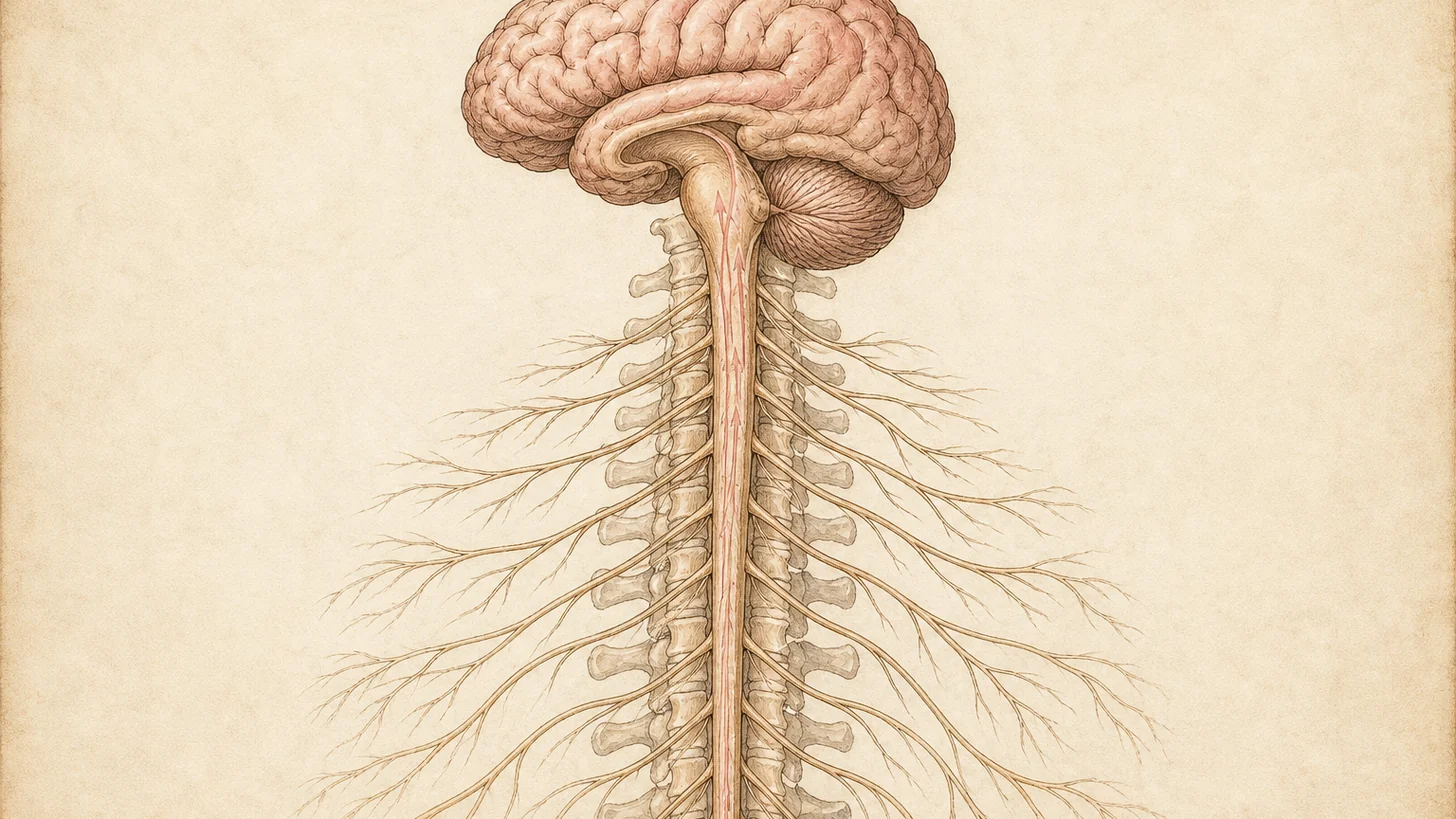
Pain is not experienced solely in the body. The brain and nervous system play a central role in how pain signals are processed and interpreted.
When people experience ongoing stress, the body’s stress response can remain activated for extended periods. This may contribute to:
- Increased muscle tension
- Poor sleep quality
- Fatigue and reduced energy
- Greater sensitivity to pain
- Reduced pain tolerance
- Slower recovery
Studies have found that individuals living with chronic pain alongside anxiety or depression often report lower quality of life and greater functional limitations than those managing pain alone.
Addressing emotional wellbeing does not diminish the reality of physical pain. Instead, it acknowledges that pain is influenced by biological, psychological, and social factors that interact with one another.
Why Employers Are Paying More Attention to Chronic Pain
Chronic pain is not only a healthcare concern—it is also a workplace challenge.
Millions of employees continue working while managing persistent pain conditions. These individuals may experience reduced productivity, increased absenteeism, difficulty concentrating, and higher levels of burnout.
As employers seek to improve workforce wellbeing, many are recognizing that mental health support can play an important role in helping employees better manage chronic health conditions, including chronic pain.
This shift has led organizations to expand beyond traditional healthcare offerings and invest in mental health benefits that improve access to care and encourage employees to seek support earlier.
Mental Health Benefits as Part of a Complete Strategy
Historically, many employers have relied on Employee Assistance Programs (EAPs) to provide mental health resources. While EAPs can offer valuable support, organizations are increasingly exploring broader approaches that provide personalized care, faster access to providers, and higher levels of engagement.
For example, modern mental health benefit providers such as Samata Health help employees and their families connect with licensed therapists through personalized matching and streamlined access to care. These services are designed to reduce common barriers that often prevent individuals from receiving timely mental health support.
While mental health benefits are not intended to replace medical treatment for chronic pain, they can complement evidence-based care by helping individuals better manage stress, anxiety, burnout, and other emotional challenges that may influence pain outcomes.
A More Integrated Approach to Patient Care
Successful chronic pain management often requires more than a single intervention. Physical treatments, lifestyle modifications, sleep quality, stress management, and emotional wellbeing can all influence recovery and long-term outcomes.
As healthcare providers and employers continue adopting a whole-person view of health, the integration of physical and mental health support is becoming increasingly important.
When both aspects are addressed together, individuals are often better positioned to manage symptoms, remain engaged in treatment, and improve their overall quality of life.
This article was contributed by Samata Health, a workplace mental health benefits provider. Modal Pain Management is pleased to share perspectives from partners in whole-person care.