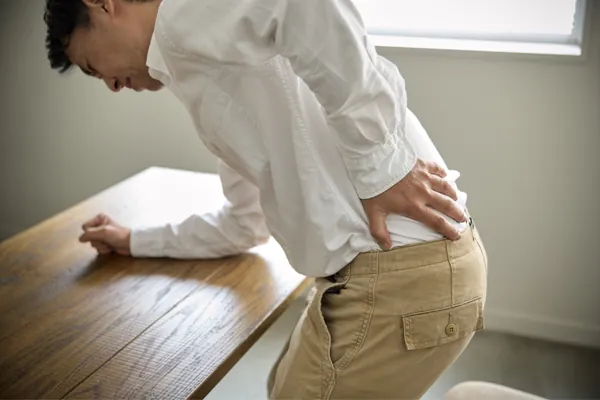
For many New Yorkers, a chiropractor is the first stop when back pain, a sports injury, or a stubborn headache starts interfering with daily life. That instinct is well founded. Chiropractic care uses manual adjustments and soft-tissue techniques to improve joint mobility and ease mechanical strain, and for chronic low back pain the evidence is reassuring: a large systematic review of 47 randomized trials found that spinal manipulative therapy produces effects similar to other recommended treatments, with mostly mild, transient side effects.
But structural care does not always tell the whole story. When pain is driven by intense nerve inflammation, advanced joint degeneration, or a sensitized nervous system, manual therapy alone may not be enough — and that is where interventional pain management becomes a valuable complement rather than a competitor. The two approaches solve different parts of the same problem.
Why a Multidisciplinary Approach Works
Modern pain medicine has moved away from the idea that any single treatment fixes everything. Leading clinical guidance now frames chronic pain through a biopsychosocial lens and recommends a personalized, multimodal, interdisciplinary approach that can combine physical treatment, psychological support, and, where appropriate, targeted medical procedures.
Chiropractic care and interventional pain management fit naturally on that spectrum. A chiropractor focuses on restoring alignment and biomechanics; an interventional pain physician focuses on identifying and quieting the specific structures and nerves generating pain. When those efforts are coordinated, patients often progress more comfortably than they would with either approach alone.
At Modal Pain Management, board-certified specialist Dr. Alex Movshis focuses on image-guided, non-surgical interventions that target the root source of complex pain — the medical piece that can let hands-on rehabilitation do its job.
When Interventional Care Supports Chiropractic Treatment
A few common scenarios show how the two work together:
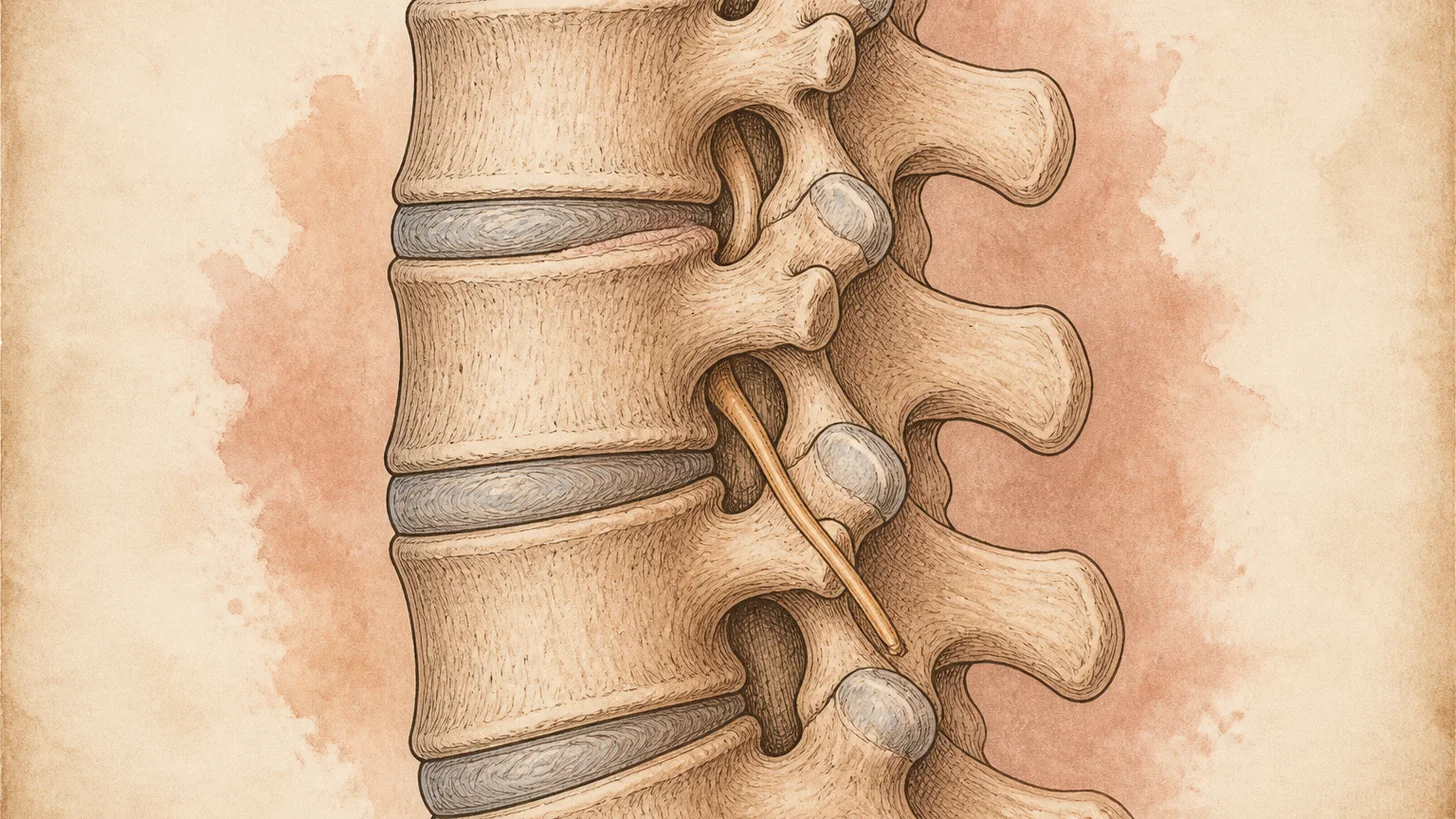
Sciatica and radiating nerve pain. When a bulging disc inflames a spinal nerve root, even gentle movement can be intolerable. A targeted epidural steroid injection can calm that inflammation enough for a patient to comfortably resume care for sciatica and back pain.
Arthritis and facet joint pain. Advanced joint degeneration often resists conservative care. Diagnostic injections and radiofrequency ablation can interrupt the specific nerves carrying pain signals from a worn joint, sometimes providing relief that lasts months.
Cervicogenic headaches and migraine. Many headaches originate in the neck. When neck pain and headaches have a neurological component, precision nerve blocks or neuromodulator injections can interrupt the pain pathway alongside structural neck care.
How the Two Approaches Fit Together
The sequence usually matters. When sharp, inflammatory, or radiating pain is too intense for hands-on treatment, an interventional procedure can lower it to a manageable level. Once that pain is under control, patients are far better able to participate in manual adjustments and physical therapy to address the underlying mechanics — and to hold those gains over time.
Used this way, interventional care is not a replacement for chiropractic treatment. It is a bridge that helps conservative care succeed, especially for patients whose pain has not responded to alignment-focused work alone.
Building the Right Team in NYC
Whole-person recovery often means more than one provider. If you are already working with a trusted chiropractor — for example, a Midtown practice such as Unity Chiropractic Wellness — adding an interventional pain specialist can round out your care when structural treatment needs medical reinforcement. Good outcomes come from coordination: providers who communicate, avoid duplicating effort, and sequence treatment in the order that helps you most.
If conservative care has taken you part of the way but stubborn nerve or joint pain remains, it may be time to explore evidence-based interventional options. To discuss whether image-guided treatment could complement your current care, contact Modal Pain Management in Midtown Manhattan.
This article is for general education and is not a substitute for individualized medical advice. Always consult your own clinicians about your specific condition.
References
This article is reviewed against the peer-reviewed literature. Citations retrieved from PubMed.
- Rubinstein SM, de Zoete A, van Middelkoop M, Assendelft WJJ, de Boer MR, van Tulder MW. Benefits and harms of spinal manipulative therapy for the treatment of chronic low back pain: systematic review and meta-analysis of randomised controlled trials. BMJ. 2019. doi:10.1136/bmj.l689 · PubMed
- Cohen SP, Vase L, Hooten WM. Chronic pain: an update on burden, best practices, and new advances. Lancet. 2021. doi:10.1016/S0140-6736(21)00393-7 · PubMed