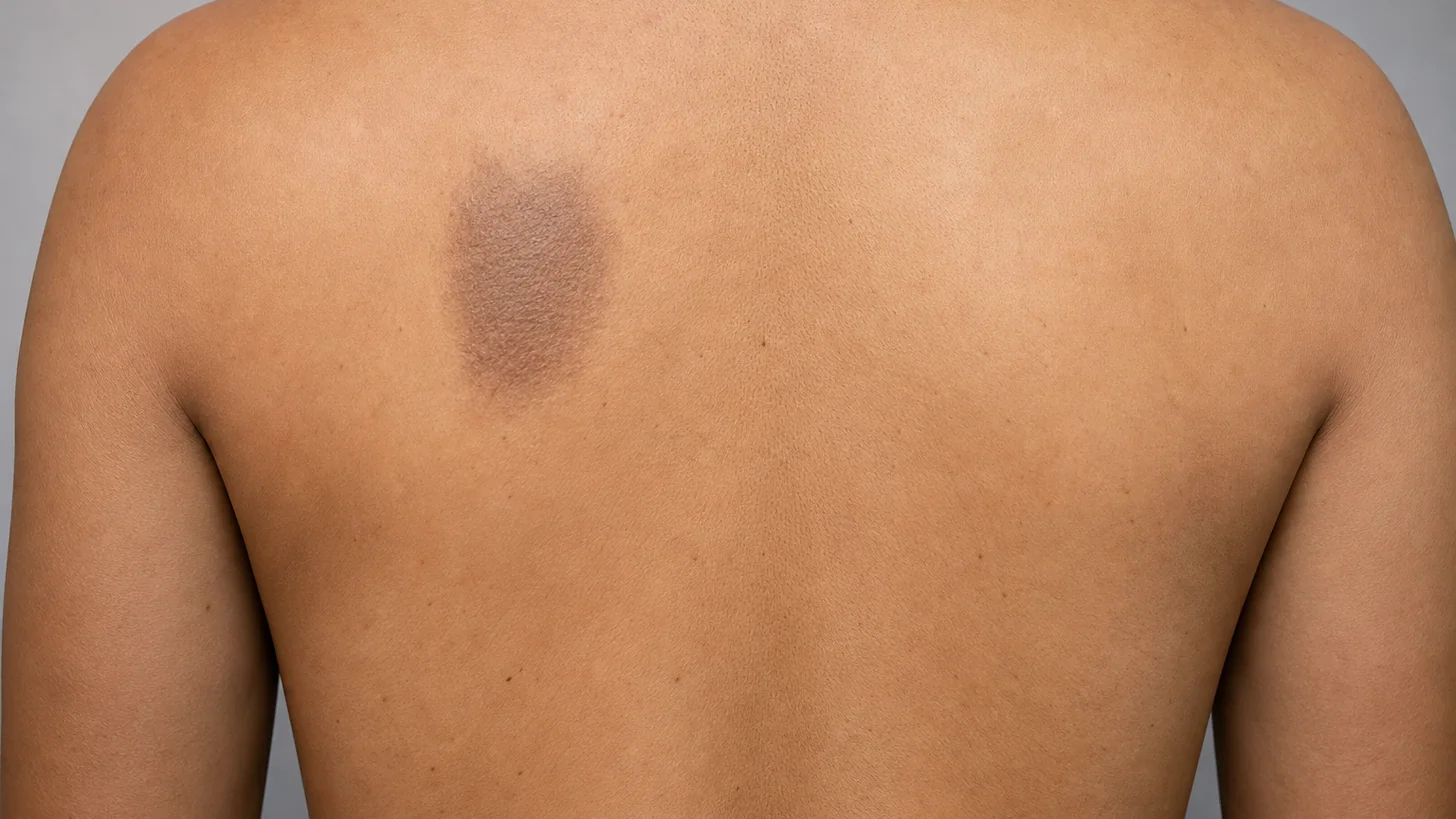
Patients describe it the same way over and over: an itch in one spot on the upper back, always the same spot, that they can never quite reach and never fully relieve. Scratching helps for a moment, then it is back. Over months or years the skin in that patch turns tan or grey-brown. They have tried moisturizers, hydrocortisone, and antihistamines, and none of it touches the itch. By the time they look for a nerve-pain evaluation, many have been told it is dry skin, eczema, or stress. It is none of those — it is notalgia paresthetica, and the itch is coming from the spine.
What notalgia paresthetica feels like
The defining symptom is localized, chronic itch on the upper-mid back, classically medial or inferior to the shoulder blade [1]. It is almost always one-sided and stays in the same place. Itch is the headline, but it is rarely the whole story: patients also report burning, a cold sensation, tingling or “pins and needles,” surface numbness, tenderness, and the odd sense of a foreign body under the skin [1]. That mix of sensations is the tell that this is a nerve talking, not skin.
The second physical sign is the patch of skin discoloration — a tan or grey-brown macule sitting exactly where the itch is. It is not a rash and not a growth. It is post-inflammatory pigment change from chronic rubbing and scratching, and its borders trace the territory of the irritated nerve. Notalgia paresthetica most commonly appears in middle-aged women, though it occurs across both sexes and a wide age range [1].
What it is not: contagious, a sign of internal disease, or — at its root — a skin condition. The skin changes are downstream of a nerve that has been firing for a long time.
What actually drives it — the thoracic spine
The pain and itch of notalgia paresthetica are generated by the dorsal rami — the posterior branches of the spinal nerves — of the upper thoracic levels, most often T2 through T6 [1]. After a spinal nerve exits the spine it splits; the dorsal ramus turns backward and pierces the deep back muscles to supply a strip of skin alongside the spine. Where it makes that turn and threads through muscle, it is mechanically vulnerable. Irritation or compression at that point produces exactly the picture patients describe: a fixed, dermatomal patch of itch and dysesthesia [5].
The most useful evidence for where this starts comes from looking at the spine directly. In a controlled radiographic study, 43 notalgia paresthetica patients had their spines imaged by a blinded investigator; vertebral changes were most prominent at the levels corresponding to the itchy dermatome, and roughly 61% of the patches had a spinal change judged relevant at the matching level [2]. Case work has tied the syndrome specifically to cervical spinal stenosis and cervicothoracic disc disease from C4 through C7, framing the skin finding as a visible sign of underlying degenerative spine disease [3]. Reviews now describe notalgia paresthetica as a neuropathic condition in which compression or irritation of the dorsal rami — frequently from degenerative spinal changes or musculoskeletal compression — plays the central role [4][5].
That is the part conventional treatment misses: if the nerve is irritated at the spine, no cream on the skin will fix the source — it can only quiet the far end of the wire.
Why the creams keep failing
Why has nothing worked? Mechanism. Moisturizers treat dryness, topical steroids treat inflammation, antihistamines block histamine — and none of those is what generates the itch here. The signal is neuropathic, coming from an irritated nerve, so the standard antipruritic toolkit is aimed at the wrong target [5].
The one topical that helps is the exception that proves the rule. Capsaicin works precisely because it acts on the nerve, depleting substance P from the sensory endings in the skin so they transmit less of the itch-and-burn signal [6]. How to use it well — and what to do when it isn’t enough — is the treatment ladder below.
How notalgia paresthetica is diagnosed
There is no blood test or biopsy that confirms notalgia paresthetica. The diagnosis is clinical and pattern-based: a unilateral, fixed patch of itch and dysesthesia in a thoracic dermatome, usually with the telltale pigment change, in the absence of a primary skin disease [1][5]. A dermatologist’s exam is genuinely useful here to exclude look-alikes — tinea, contact dermatitis, an early skin malignancy — and the recognizable pattern often makes the call at the bedside.
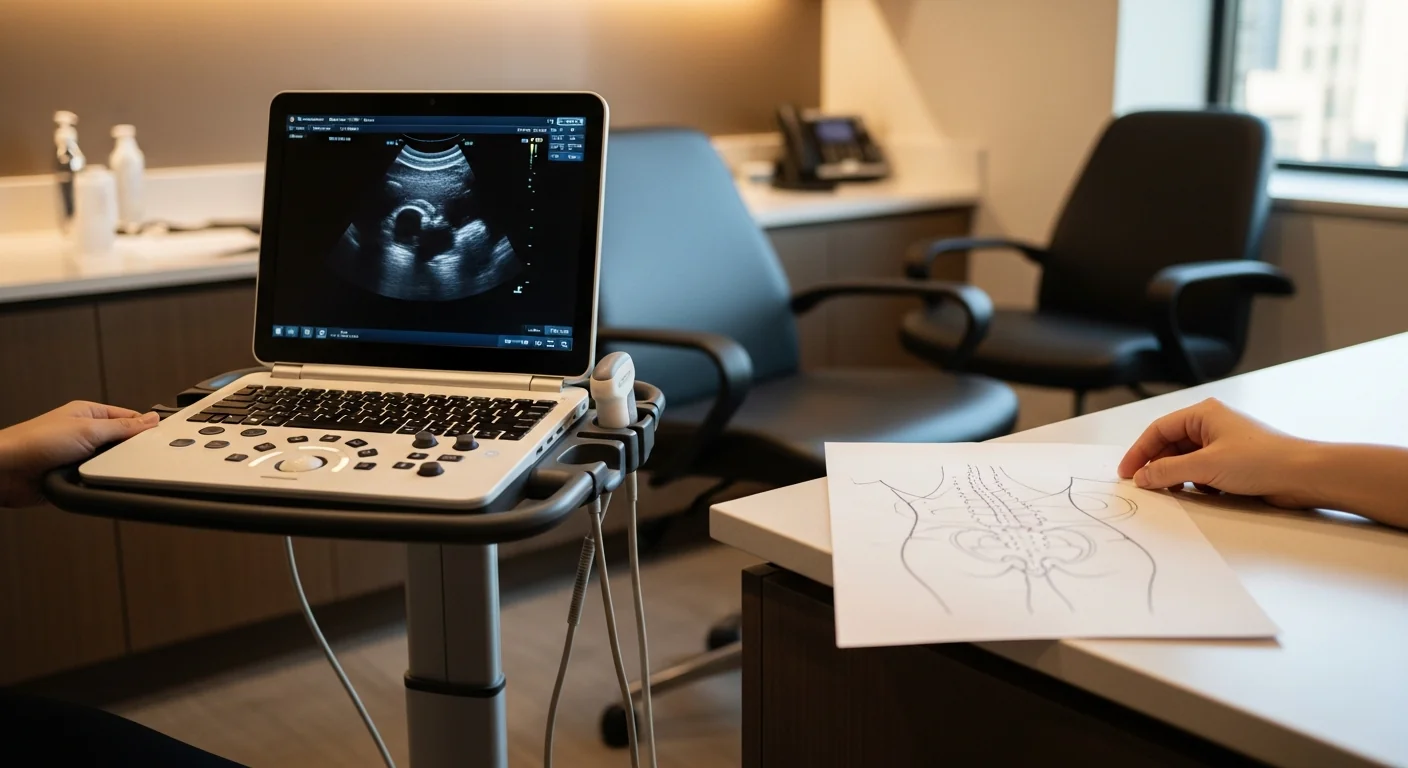
What gets skipped is the spine. Because the generator sits at the cervicothoracic spine in a large share of cases, the evaluation should include examining those segments at the level of the symptomatic dermatome, and imaging of the thoracic or lower cervical spine is reasonable when the history suggests it [2][3]. Electromyography and standard imaging have variable yield — they can be normal even when the nerve is the problem — so a negative scan does not rule the condition out [5]. The most specific confirmation that a particular nerve level is responsible is a diagnostic paraspinal block: numbing the dorsal ramus at the suspected level and watching the patient’s itch and burning fall away identifies the source and tells you which patients will respond to nerve-directed treatment.
Evidence-based treatment
Treatment works best as a ladder, matched to how refractory the case is and whether the spine is clearly involved [7].
Topical capsaicin is first-line. Start here. The double-blind trial evidence supports it, and it directly targets the overactive nerve endings [4][6]. Set expectations honestly with patients: apply consistently for several weeks, expect initial stinging, and pair it with the steps below rather than relying on it alone.
Oral nerve medications are the next step. When topical treatment is not enough, the systemic neuropathic agents used across nerve-pain conditions apply here. An open pilot study found oxcarbazepine produced responses in notalgia paresthetica, and gabapentin is a common alternative [7][8]. These calm nerve excitability rather than treating skin.
Difelikefalin — a newer option, honestly framed. A phase 2 double-blind, placebo-controlled trial of oral difelikefalin, a kappa opioid receptor agonist, run at the Icahn School of Medicine at Mount Sinai (where I completed my pain fellowship), cut the worst-itch score by 4.0 points versus 2.4 with placebo over 8 weeks — real but modest, with more headache, dizziness, and constipation on the drug and secondary outcomes that did not consistently back the primary result [9]. A promising signal, not a finished answer.
Physical therapy and posture. Because the dorsal rami are irritated as they pass through the back muscles, thoracic posture and paraspinal muscle work matter. Physical therapy aimed at the cervicothoracic spine and the back extensors is a low-risk part of the plan and is most useful kept up over time alongside other treatments [4][7].
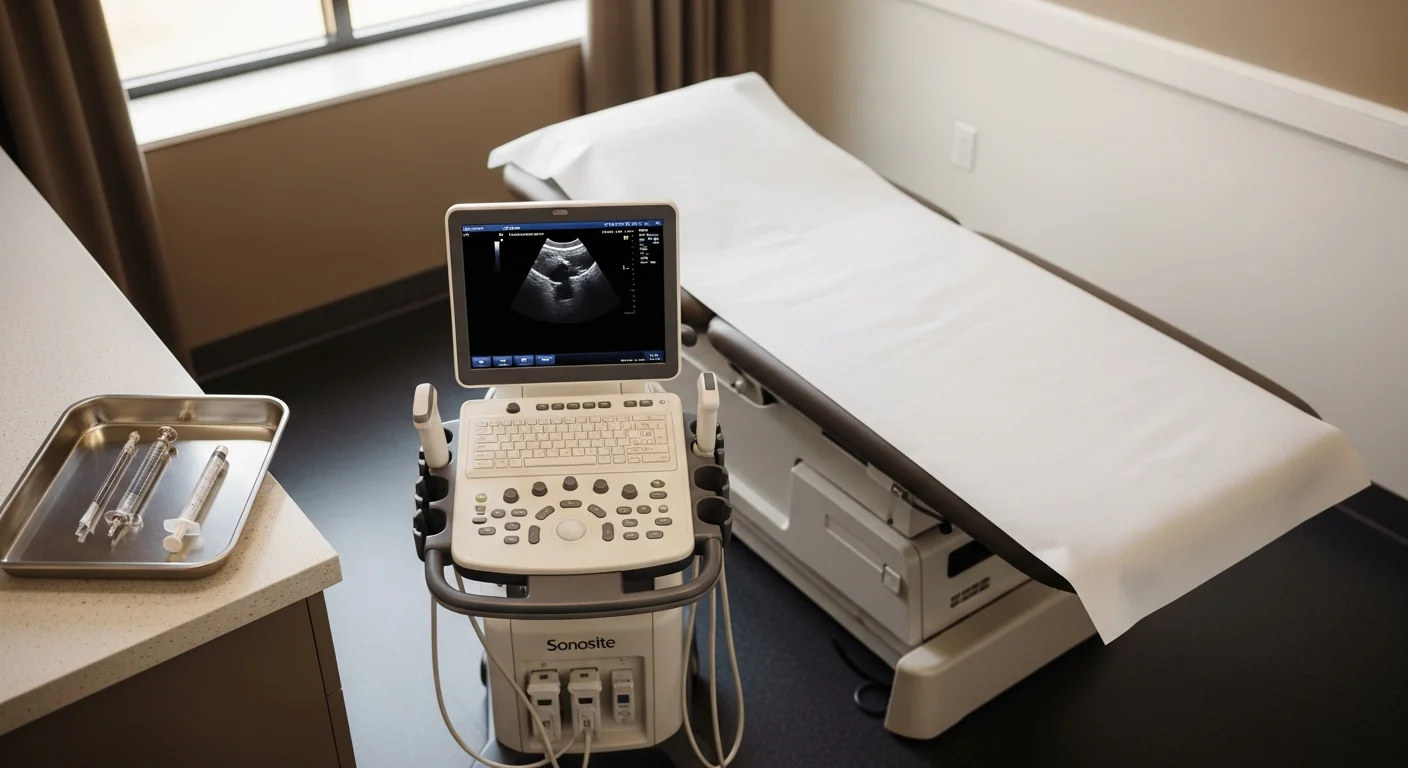
Procedural and nerve-targeted options. For refractory cases, the interventional toolkit moves to the nerve itself. Botulinum toxin A injected into the affected patch has reported benefit in this condition [7], and Modal Pain delivers it through neuromodulator injections. When a diagnostic paraspinal block confirms a specific dorsal ramus as the generator, a targeted nerve block — and, in chronic refractory cases, radiofrequency treatment of that nerve — addresses the source rather than the skin. This is where treating notalgia paresthetica as a spine-and-nerve problem, instead of a stubborn rash, changes the result.
When to bring in a pain specialist
See a dermatologist first to confirm the diagnosis and rule out a primary skin condition — that part of the workup matters. Bring in an interventional pain physician when the itch is refractory to topical treatment, when it comes with burning or frank pain, or when there is neck and upper-back stiffness pointing at the spine. That is the moment the evaluation needs to include the thoracic and cervical segments and the nerve-directed treatments that a skin exam alone cannot offer. A patch of itch you have scratched for years is not something you have to keep living around — it is a nerve with an address, and that address can be treated.
Verify your insurance covers a notalgia paresthetica workup Book a same-week evaluation
Or call (646) 290-6660.
For the broader framework on peripheral nerve entrapments, see the peripheral nerve entrapment page.
References
This article is reviewed against the peer-reviewed literature. Citations retrieved from PubMed.
- Šitum M, Kolić M, Franceschi N, Pećina M. Notalgia Paresthetica. Acta Clinica Croatica. 2018;57(4):721-725. doi:10.20471/acc.2018.57.04.14 · PubMed
- Savk O, Savk E. Investigation of spinal pathology in notalgia paresthetica. Journal of the American Academy of Dermatology. 2005;52(6):1085-87. doi:10.1016/j.jaad.2005.01.138 · PubMed
- Alai NN, Skinner HB, Nabili ST, Jeffes E, Shahrokni S, Saemi AM. Notalgia paresthetica associated with cervical spinal stenosis and cervicothoracic disk disease at C4 through C7. Cutis. 2010;85(2):77-81. PubMed
- Robinson C, Downs E, De la Caridad Gomez Y, et al. Notalgia Paresthetica Review: Update on Presentation, Pathophysiology, and Treatment. Clinics and Practice. 2023;13(1):315-325. doi:10.3390/clinpract13010029 · PubMed
- Nguyen P, Parikh S, Ko C, Nguyen G, Kaye AD, Urits I, Hasoon J. Notalgia Paresthetica: An Updated Review of Pathophysiology, Diagnosis, and Treatment Approaches. Current Pain and Headache Reports. 2025;29(1):87. doi:10.1007/s11916-025-01402-2 · PubMed
- Wallengren J, Klinker M. Successful treatment of notalgia paresthetica with topical capsaicin: vehicle-controlled, double-blind, crossover study. Journal of the American Academy of Dermatology. 1995;32(2 Pt 1):287-89. doi:10.1016/0190-9622(95)90152-3 · PubMed
- Ansari A, Weinstein D, Sami N. Notalgia paresthetica: treatment review and algorithmic approach. Journal of Dermatological Treatment. 2019;31(4):424-432. doi:10.1080/09546634.2019.1603360 · PubMed
- Savk E, Bolukbasi O, Akyol A, Karaman G. Open pilot study on oxcarbazepine for the treatment of notalgia paresthetica. Journal of the American Academy of Dermatology. 2001;45(4):630-32. doi:10.1067/mjd.2001.116228 · PubMed
- Kim BS, Bissonnette R, Nograles K, et al. Phase 2 Trial of Difelikefalin in Notalgia Paresthetica. New England Journal of Medicine. 2023;388(6):511-517. doi:10.1056/NEJMoa2210699 · PubMed
Frequently Asked Questions
Notalgia paresthetica is a sensory neuropathy of the upper back. The hallmark is a chronic, well-defined patch of itch — often with burning, tingling, surface numbness, or a foreign-body sensation — sitting just below or beside one shoulder blade, usually on one side. Many patients develop a tan or grey-brown discoloration of the skin in that exact spot from years of rubbing and scratching. It most often affects middle-aged women, and the itch comes from irritation of the thoracic spinal nerves (specifically the posterior branches of the T2–T6 nerve roots), not from a skin disease.
Because the problem usually isn't in the skin — it's in the nerve that supplies the skin. In notalgia paresthetica the dorsal (posterior) branches of the upper thoracic spinal nerves are irritated as they pass through the back muscles and emerge from the spine, so the brain receives a constant itch-and-burn signal mapped to one patch of skin. Moisturizers, steroid creams, and antihistamines target inflammation and histamine, which aren't the driver here, so they reliably underperform. Treatments that work either calm the nerve ending in the skin (topical capsaicin) or address the irritated nerve at the spine.
Frequently, yes. When researchers x-rayed the spines of 43 notalgia paresthetica patients, degenerative changes lined up with the itchy dermatome in the majority of cases, and roughly 61% of the itchy patches had a relevant spinal change at the matching level. Cervical and thoracic disc disease and arthritis are the usual findings. This is why a patch of itch that won't quit — especially with neck or upper-back stiffness — deserves more than a dermatology cream. The spine is often the upstream cause.
Topical capsaicin has the strongest evidence as a first-line treatment — a double-blind, vehicle-controlled trial showed it relieves the itch, though the burning sensation on application and the need to reapply several times a day limit it for some patients. When capsaicin isn't enough, oral nerve medications (oxcarbazepine or gabapentin) and procedural options (botulinum toxin injections, physical therapy targeting the thoracic spine) are the next steps. For refractory cases tied to a specific irritated nerve, a paraspinal diagnostic block can confirm the level and guide targeted treatment.
It's usually a chronic condition that remits and flares rather than disappearing permanently, and there is no single guaranteed cure. That said, the symptoms are controllable. Most patients get meaningful relief by combining a skin-directed treatment (capsaicin) with treatment aimed at the underlying nerve or thoracic spine — posture and physical therapy, a nerve medication, or a targeted injection. When a specific degenerated spinal level is driving the dermatome, addressing that level can change the trajectory rather than just masking the itch.
A dermatologist is the right first stop to rule out skin conditions and confirm the diagnosis — the discoloration and pattern are recognizable. But if the itch is refractory to topical treatment, or it comes with burning, pain, or neck and upper-back stiffness, an interventional pain physician adds the part the skin exam misses: evaluating the thoracic and cervical spine as the source, and offering nerve-targeted treatment (diagnostic paraspinal block, botulinum toxin, or radiofrequency treatment of the affected nerve). The two specialties are complementary, not competing.
Most major commercial PPO plans cover an evaluation for notalgia paresthetica and the associated diagnostic procedures, often with prior authorization for injections. Modal Pain verifies your benefits before the first visit. We accept most major commercial PPO plans and do not participate with Medicare or Medicaid. <a href="/verify-insurance/">Check your plan</a> or call (646) 290-6660.