If you’re one of the New Yorkers living with chronic migraine, you know how much of a month it can take. When oral preventives fall short, Botox for migraines in NYC is an FDA-approved option for exactly this diagnosis. As a dual board-certified anesthesiologist and interventional pain specialist, I’ve seen what it can and can’t do — and the most common assumption about how it works is wrong.
Chronic migraine affects roughly one to two adults in a hundred worldwide [1], with symptoms extending far beyond headache pain. Understanding your treatment options, including when and how Botox can help, is the first step toward getting more of your month back.
Understanding Chronic Migraines vs. Regular Headaches
Chronic migraines differ significantly from occasional headaches or even episodic migraines. To qualify for a chronic migraine diagnosis, patients must experience headaches on 15 or more days per month, with at least 8 of those days meeting migraine criteria, for more than three months [14].
Key characteristics of chronic migraines include:
- Moderate to severe throbbing or pulsating pain
- Nausea and vomiting
- Sensitivity to light (photophobia) and sound (phonophobia)
- Pain typically on one side of the head
- Worsening with physical activity
- Duration of 4-72 hours when untreated
The neurological basis of migraines involves complex interactions between brain chemicals, blood vessels, and nerve pathways. This complexity explains why structured headache treatment often requires specialized intervention beyond over-the-counter medications.
How Botox Works for Chronic Migraine Prevention
Prefer to watch? A 74-second narrated animation of how Botox prevents chronic migraine — the sensory nerve endings, not the muscles — with the full transcript and PubMed-verified references.
Botox (onabotulinumtoxinA) is the only treatment FDA-approved specifically for the prevention of headaches in adults with chronic migraine [2]. Botulinum toxin was first developed as a medical treatment in the 1970s and 1980s for eye-muscle disorders; its effect on migraine was noticed later, in patients receiving it for other reasons, and then confirmed in the PREEMPT trials [3]. Knowing what it does — and doesn’t do — matters, because the most common assumption about it is wrong.
It is not a muscle relaxant for migraine
Botox does weaken the muscles it is injected into — that is why neck pain and muscle weakness are its most common side effects [4] — but relaxing muscle is not how it prevents migraine. Migraine is primarily a sensory neurological disease, and the traditional “reducing muscle contractions” explanation is insufficient to account for the drug’s effect [5]. The injection sites are chosen for the sensory nerve endings that run through those muscles, not for the muscles themselves.
Locking the release of pain signals
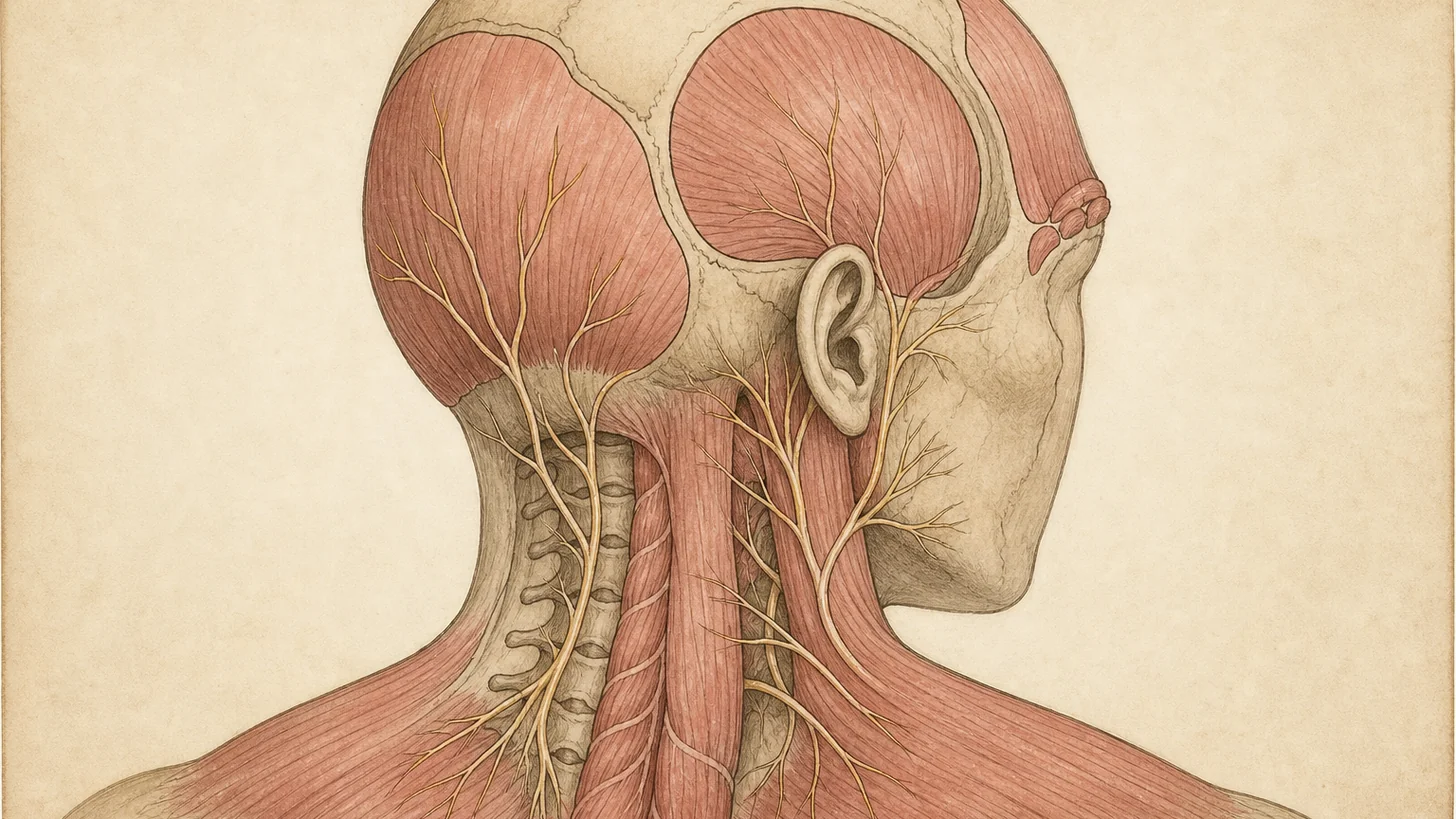
The sensory endings of the trigeminal and upper cervical nerves are distributed through the scalp and the lining of the brain (the meninges). During a migraine attack those endings release signaling chemicals — CGRP (calcitonin gene-related peptide), substance P, and glutamate — that inflame the lining and drive the attack [5][6]. OnabotulinumtoxinA is taken up by the nerve endings near the injection sites and cleaves a docking protein called SNAP-25, which the nerve needs in order to release those chemicals [5][7]. In laboratory studies, stimulated CGRP release from trigeminal neurons was largely blocked while baseline function was unaffected [6].
Preventing sensitization
With fewer pain signals leaving the periphery, fewer reach the brainstem and brain, which reduces both peripheral and central sensitization — the process that makes the nervous system progressively more responsive to pain and helps turn episodic migraine into chronic migraine [5][8]. That is also why the benefit builds over repeated treatment cycles rather than arriving all at once [9][10].
The FDA-Approved Botox Treatment Protocol for Botox for Migraines NYC
The FDA approved Botox for chronic migraine prevention in 2010 on the strength of the PREEMPT trials [3]. The protocol is standardized: fixed injection sites and a fixed dose, with a small amount of physician discretion.
Treatment Schedule and Dosing
Botox treatments for chronic migraines follow a precise regimen:
- US-approved dose: 155 units per session, divided across 31 fixed sites in seven muscle areas [2][11]
- Follow-the-pain option: the PREEMPT trials allowed up to 40 additional units at up to eight extra sites (195 units at 39 sites), a paradigm approved in some countries outside the United States [11]
- Injection frequency: every 12 weeks
- Treatment areas: forehead, temples, back of the head, neck, and upper shoulders
Injection Site Mapping
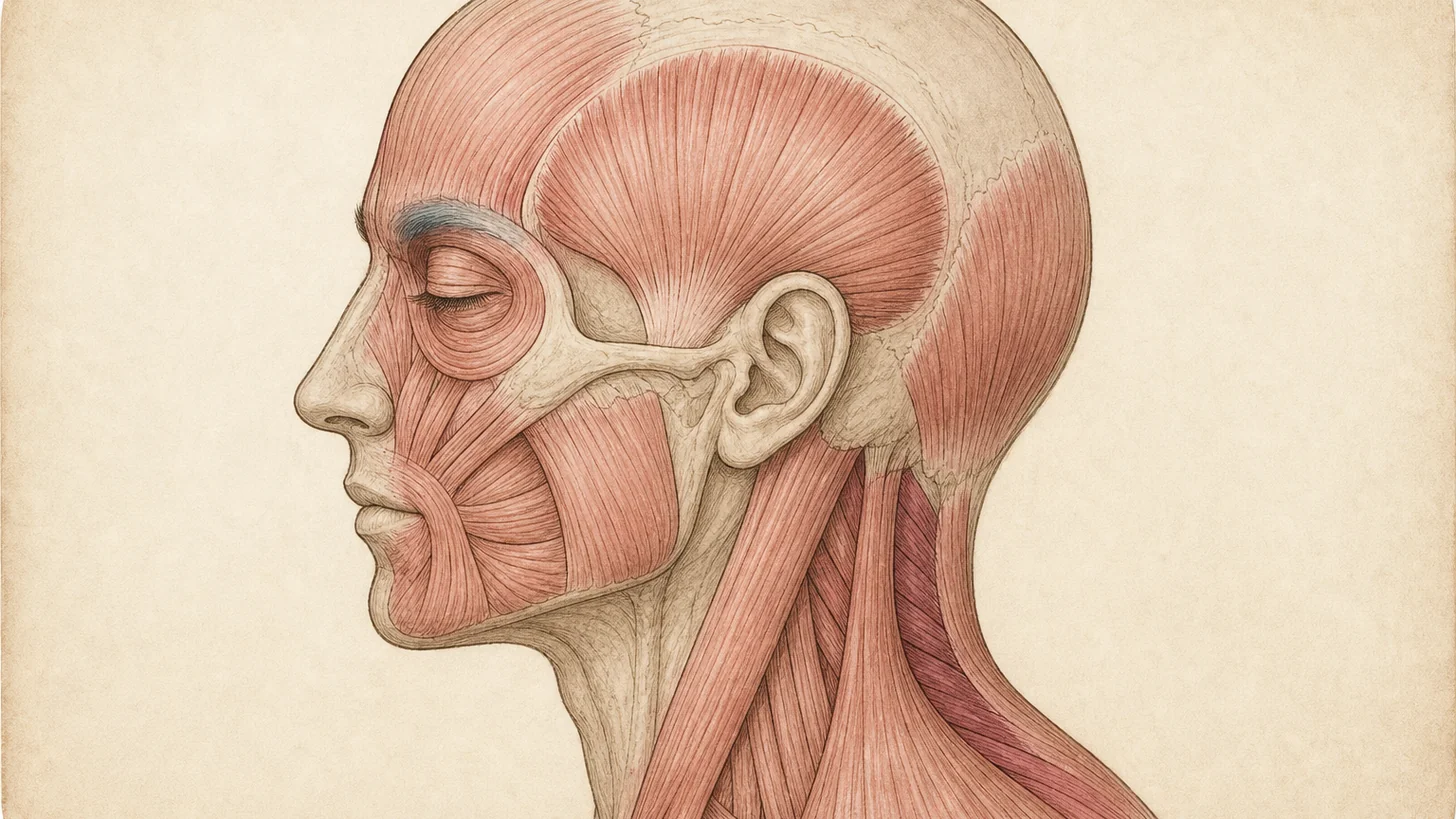
The 31 sites cover seven muscle areas on both sides — corrugator, procerus, frontalis, temporalis, occipitalis, cervical paraspinal, and trapezius — and follow the distribution of the trigeminal and occipital sensory nerves, not the places that hurt most [11][12]. The injecting physician adapts depth and angle to each patient’s anatomy: brow sites high and angled away from the eye, neck sites shallow. The full site-by-site map, the units at each area, and the optional follow-the-pain sites are laid out in the Botox injection sites for migraines guide.
What to Expect During Your Botox Treatment
Understanding the treatment process helps set appropriate expectations.
Pre-Treatment Consultation
Your initial consultation involves:
- medical history review
- Migraine pattern assessment and headache diary evaluation
- Physical examination focusing on head, neck, and shoulder muscles
- Discussion of previous treatments and their effectiveness
- Review of contraindications and potential side effects
The Injection Process
The actual treatment typically takes 15-20 minutes:
- No anesthesia required due to fine needle gauge
- Systematic injection pattern following FDA protocol
- Minimal discomfort, often described as brief pinpricks
- Immediate post-treatment instructions provided
Post-Treatment Guidelines
For the first 24 hours: no workouts, no ibuprofen, naproxen or other NSAIDs, which can make small bruises more likely (aspirin or a blood thinner prescribed for your heart, brain or blood vessels is the exception, keep taking it), no rubbing the injected areas, and try to sleep on your back that night. The follow-up visit is about 2 weeks later. The full instructions, the headache diary insurers ask for, and the warning signs that need a call are on the Botox for chronic migraine aftercare page.
Expected Results and Timeline
Botox is a preventive treatment, not a rescue treatment for an attack in progress, and its effect is measured over 12-week cycles rather than days.
Timeline for Improvement
- In the PREEMPT trials the difference from placebo was already present at the first assessment and was maintained through week 24 [3]
- The benefit grew across repeated cycles: the largest reductions in headache days were seen at week 56, after five cycles [9]
- A two-year study of 715 patients concluded that a longer course was needed to realize the full effect [10]
- Some patients notice a change during the first cycle; many do not until the second or third, which is why the response is usually judged after two or three cycles rather than after one
Measuring Success
The honest yardstick is headache days per month:
- In the pooled PREEMPT trials, headache days fell by 8.4 per month at 24 weeks with onabotulinumtoxinA versus 6.6 with placebo — a large change within each group and a modest difference between them [3]
- The Cochrane review estimates about 1.9 fewer headache days per month than placebo in chronic migraine (high-quality evidence), and found no benefit in episodic migraine [13]
- Migraine days, moderate-to-severe headache days, total headache hours, headache-related disability and quality-of-life scores also favored treatment [3][9]
The realistic goal is fewer headache days a month, built over repeated cycles — not a cure.
Potential Side Effects and Safety Considerations
Botox is generally well tolerated, but the side effects are real and patients should understand them before starting. In a pooled safety analysis of 1,997 treated patients across the trials, the most common treatment-related effects were neck pain (12.6%), muscle weakness (8.0%), musculoskeletal stiffness (6.1%), and eyelid droop, or ptosis (4.6%), most of them mild to moderate and temporary, and 3.4% of patients stopped treatment because of side effects [4]. All botulinum toxin products carry an FDA boxed warning for distant spread of toxin effect — trouble swallowing or breathing, or generalized weakness, hours to weeks after injection — which is rare at the doses used for chronic migraine but needs a same-day call if it happens [2]. Contraindications are an infection at a planned site or hypersensitivity to any botulinum toxin product, and extra caution applies with neuromuscular disorders such as myasthenia gravis or ALS, pre-existing swallowing or breathing problems, pregnancy and breastfeeding, and medicines that act at the neuromuscular junction [2]. Across five cycles in the 56-week PREEMPT program and nine cycles over two years in the COMPEL study, no new safety signal emerged [9][10].
Most of the common effects are placement problems rather than drug problems — a corrugator injection angled toward the orbit, a neck injection placed too deep — and a re-mapped next cycle resolves them. The mechanism behind each one, how long each lasts, and the technique that prevents it are covered in the Botox for migraines side-effects guide.
Comparing Botox to Other Migraine Prevention Treatments
Understanding how Botox compares to alternative preventive therapies helps inform treatment decisions.
Oral Preventive Medications
Traditional medications include:
- Beta-blockers: Effective but may cause fatigue, weight gain, or mood changes
- Anticonvulsants: Can reduce migraine frequency but may cause cognitive side effects
- Antidepressants: Dual benefits for mood and pain but potential for multiple side effects
- CGRP antagonists: Newer options with good efficacy but higher costs
Compared with daily oral preventives, onabotulinumtoxinA is given every 12 weeks and acts locally rather than throughout the body. Head-to-head data against the newer CGRP antibodies are limited, and the right choice depends on your history, other conditions, and coverage.
Non-Pharmacological Approaches
Complementary treatments such as specialized nerve block procedures can work synergistically with Botox therapy for structured migraine management.
Insurance Coverage and Cost Considerations
Many commercial plans cover onabotulinumtoxinA for chronic migraine when specific criteria are met:
- A documented chronic migraine diagnosis (15 or more headache days a month)
- A trial of at least two oral preventive medications
- Treatment by a qualified physician
- Prior authorization
The full picture — why claims get denied, the self-pay price, and the timeline — is in Does insurance cover Botox for migraines?
Whether you meet those criteria takes two minutes to check with our chronic migraine Botox eligibility check. Modal Pain Management accepts most commercial PPO plans and does not participate with Medicare or Medicaid. We verify benefits before scheduling — check your plan or call (646) 290-6660.
When to See a Specialist for Botox Treatment
Consider consulting a pain management specialist when:
- You experience 15 or more headache days per month
- Traditional preventive medications haven’t provided adequate relief
- Migraines significantly impact your work, relationships, or daily activities
- You’re using acute pain medications more than 2-3 times per week
- Previous headache treatments have caused intolerable side effects
At Modal Pain Management NYC, Dr. Alex Movshis is dual board-certified in anesthesiology and pain medicine, with fellowship training at the Icahn School of Medicine at Mount Sinai, and performs the injections himself in the Midtown office.
The evaluation covers whether you meet the chronic migraine definition, what you have already tried, and whether onabotulinumtoxinA — or a nerve block, or a different preventive — is the right next step.
Optimizing Your Botox Treatment Results
Maximizing the benefits of Botox therapy involves several complementary strategies:
Lifestyle Modifications
- Maintaining consistent sleep schedules
- Identifying and avoiding personal migraine triggers
- Regular exercise appropriate for your condition
- Stress management techniques and relaxation practices
- Proper hydration and nutritional support
Ongoing Monitoring
Successful treatment requires:
- Detailed headache diary maintenance
- Regular follow-up appointments to assess progress
- Adjustment of injection patterns based on response
- Coordination with other healthcare providers as needed
This takes patience. Individual responses vary, the benefit is counted in headache days rather than cures, and it usually takes two or three cycles to know where you stand.
If you have headache on more days than not and the oral preventives haven’t been enough, schedule an evaluation with Dr. Alex Movshis, MD at Modal Pain Management NYC. Call (646) 290-6660 or visit modalpain.com/contact.
References
This article is reviewed against the peer-reviewed literature and the current US Prescribing Information. Citations retrieved from PubMed; re-verified September 3, 2026.
- Natoli JL, Manack A, Dean B, Butler Q, Turkel CC, Stovner L, Lipton RB. Global prevalence of chronic migraine: a systematic review. Cephalalgia. 2010;30(5):599-609. doi:10.1111/j.1468-2982.2009.01941.x · PubMed
- BOTOX (onabotulinumtoxinA) for injection — US Prescribing Information. Allergan, Inc. (an AbbVie company). DailyMed, U.S. National Library of Medicine; label updated November 18, 2023. DailyMed
- Dodick DW, Turkel CC, DeGryse RE, et al. OnabotulinumtoxinA for treatment of chronic migraine: pooled results from the double-blind, randomized, placebo-controlled phases of the PREEMPT clinical program. Headache. 2010;50(6):921-936. doi:10.1111/j.1526-4610.2010.01678.x · PubMed
- Diener HC, Dodick DW, Turkel CC, Demos G, Degryse RE, Earl NL, Brin MF. Pooled analysis of the safety and tolerability of onabotulinumtoxinA in the treatment of chronic migraine. European Journal of Neurology. 2014;21(6):851-859. doi:10.1111/ene.12393 · PubMed
- Burstein R, Blumenfeld AM, Silberstein SD, Manack Adams A, Brin MF. Mechanism of Action of OnabotulinumtoxinA in Chronic Migraine: A Narrative Review. Headache. 2020;60(7):1259-1272. doi:10.1111/head.13849 · PubMed
- Durham PL, Cady R, Cady R. Regulation of calcitonin gene-related peptide secretion from trigeminal nerve cells by botulinum toxin type A: implications for migraine therapy. Headache. 2004;44(1):35-42. doi:10.1111/j.1526-4610.2004.04007.x · PubMed
- Rossetto O, Pirazzini M, Montecucco C. Botulinum neurotoxins: genetic, structural and mechanistic insights. Nature Reviews Microbiology. 2014;12(8):535-549. doi:10.1038/nrmicro3295 · PubMed
- Burstein R, Zhang X, Levy D, Aoki KR, Brin MF. Selective inhibition of meningeal nociceptors by botulinum neurotoxin type A: therapeutic implications for migraine and other pains. Cephalalgia. 2014;34(11):853-869. doi:10.1177/0333102414527648 · PubMed
- Aurora SK, Winner P, Freeman MC, et al. OnabotulinumtoxinA for treatment of chronic migraine: pooled analyses of the 56-week PREEMPT clinical program. Headache. 2011;51(9):1358-1373. doi:10.1111/j.1526-4610.2011.01990.x · PubMed
- Young WB, Ivan Lopez J, Rothrock JF, Orejudos A, Manack Adams A, Lipton RB, Blumenfeld AM. Effects of onabotulinumtoxinA treatment in chronic migraine patients with and without daily headache at baseline: results from the COMPEL Study. The Journal of Headache and Pain. 2019;20(1):12. doi:10.1186/s10194-018-0953-0 · PubMed
- Blumenfeld A, Silberstein SD, Dodick DW, Aurora SK, Turkel CC, Binder WJ. Method of injection of onabotulinumtoxinA for chronic migraine: a safe, well-tolerated, and effective treatment paradigm based on the PREEMPT clinical program. Headache. 2010;50(9):1406-1418. doi:10.1111/j.1526-4610.2010.01766.x · PubMed
- Blumenfeld AM, Silberstein SD, Dodick DW, Aurora SK, Brin MF, Binder WJ. Insights into the Functional Anatomy Behind the PREEMPT Injection Paradigm: Guidance on Achieving Optimal Outcomes. Headache. 2017;57(5):766-777. doi:10.1111/head.13074 · PubMed
- Herd CP, Tomlinson CL, Rick C, et al. Botulinum toxins for the prevention of migraine in adults. Cochrane Database of Systematic Reviews. 2018;6(6):CD011616. doi:10.1002/14651858.CD011616.pub2 · PubMed
- Headache Classification Committee of the International Headache Society (IHS). The International Classification of Headache Disorders, 3rd edition. Cephalalgia. 2018;38(1):1-211. doi:10.1177/0333102417738202 · PubMed
Frequently Asked Questions
It is a preventive treatment, not a rescue treatment, and its effect is measured over 12-week cycles. In the PREEMPT trials the difference from placebo was present at the first assessment and grew across repeated cycles, with the largest reductions in headache days seen after five cycles; a two-year study concluded that a longer course was needed to realize the full effect. Some patients notice a change during the first cycle; many do not until the second or third.
Many commercial plans cover onabotulinumtoxinA for chronic migraine when criteria are met — typically a documented diagnosis of chronic migraine (15 or more headache days a month), a trial of at least two oral preventive medications, and prior authorization. Modal Pain Management accepts most commercial PPO plans and does not participate with Medicare or Medicaid; we verify benefits before scheduling.
Every 12 weeks. The US-approved protocol is 155 units divided across 31 sites in seven muscle areas of the head and neck; the PREEMPT trials also allowed up to 40 additional units at up to eight 'follow-the-pain' sites (195 units at 39 sites), a paradigm approved in some countries outside the United States. The injecting physician adapts the map to each patient's anatomy.